Art at Dilborn
The home of singular talents
From 1911 to 1931, Wasserschloss Dilborn was home, studio and meeting place of Rhenish Expressionism. To this day, works of art shape the castle and its park.
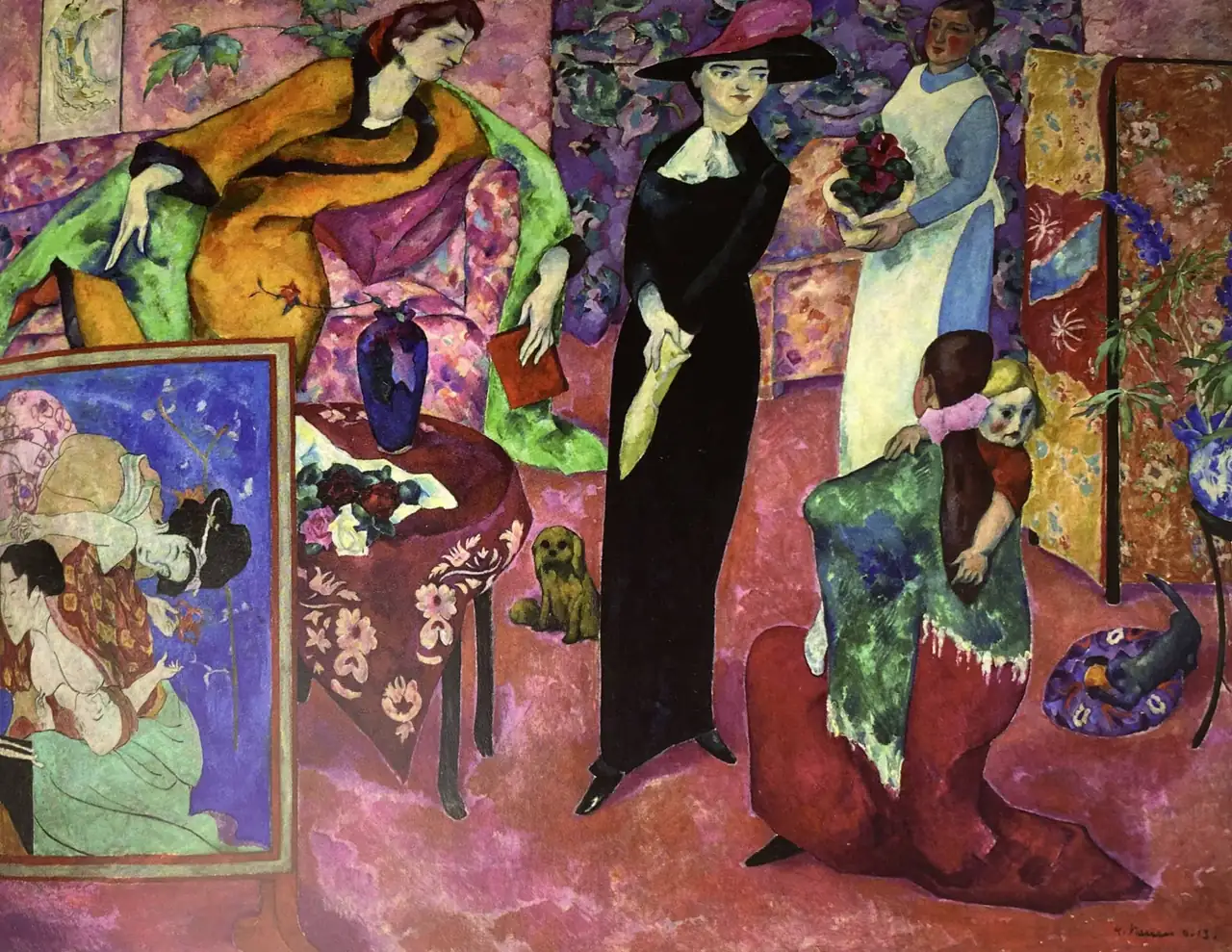
Cover image: Heinrich Nauen, Der Besuch (Interieur), 1913, tempera on canvas, Kunstmuseen Krefeld.
The artist couple Nauen · 1911 to 1931
Two lives, twenty years at Dilborn
Visitors to Wasserschloss Dilborn
A hospitable house for the avant-garde
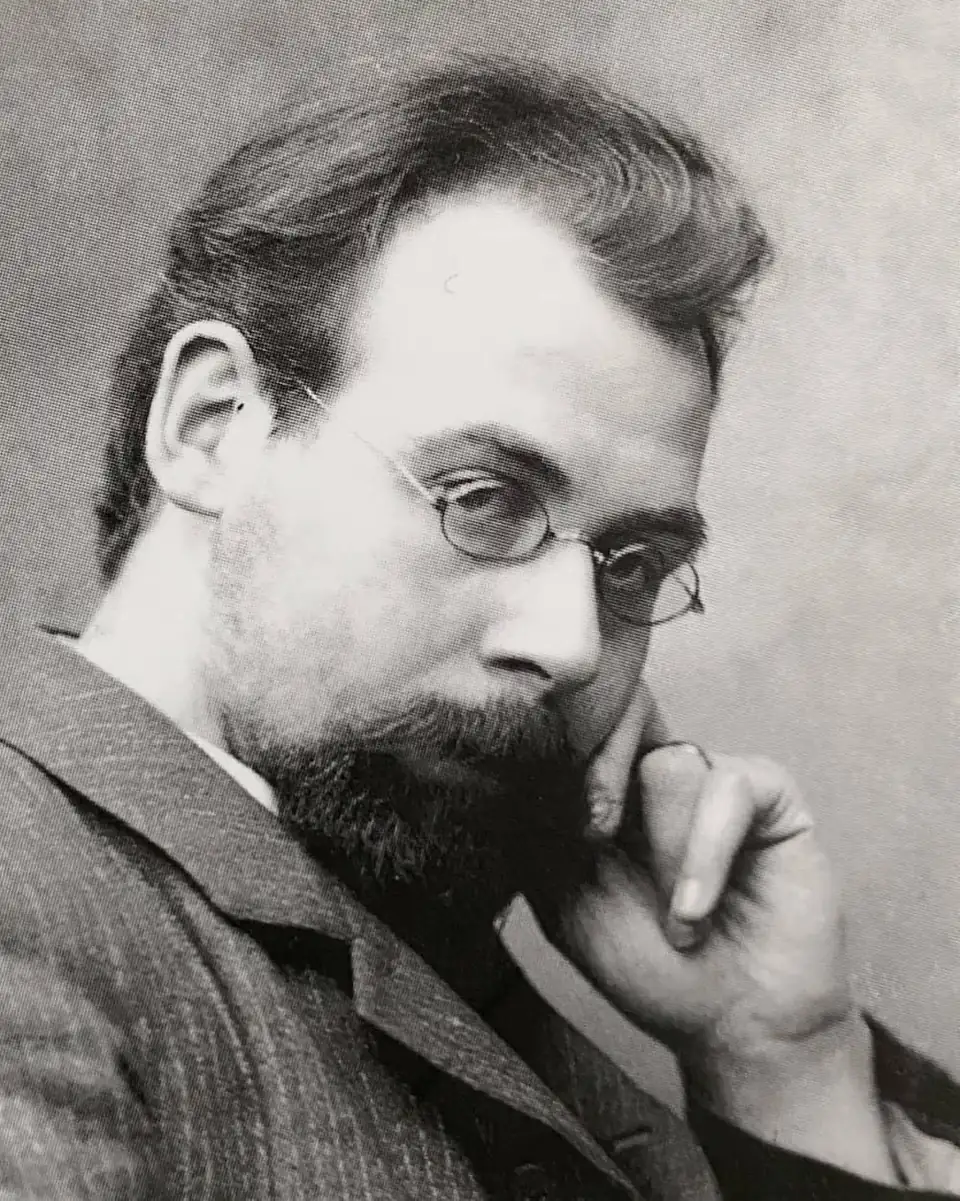
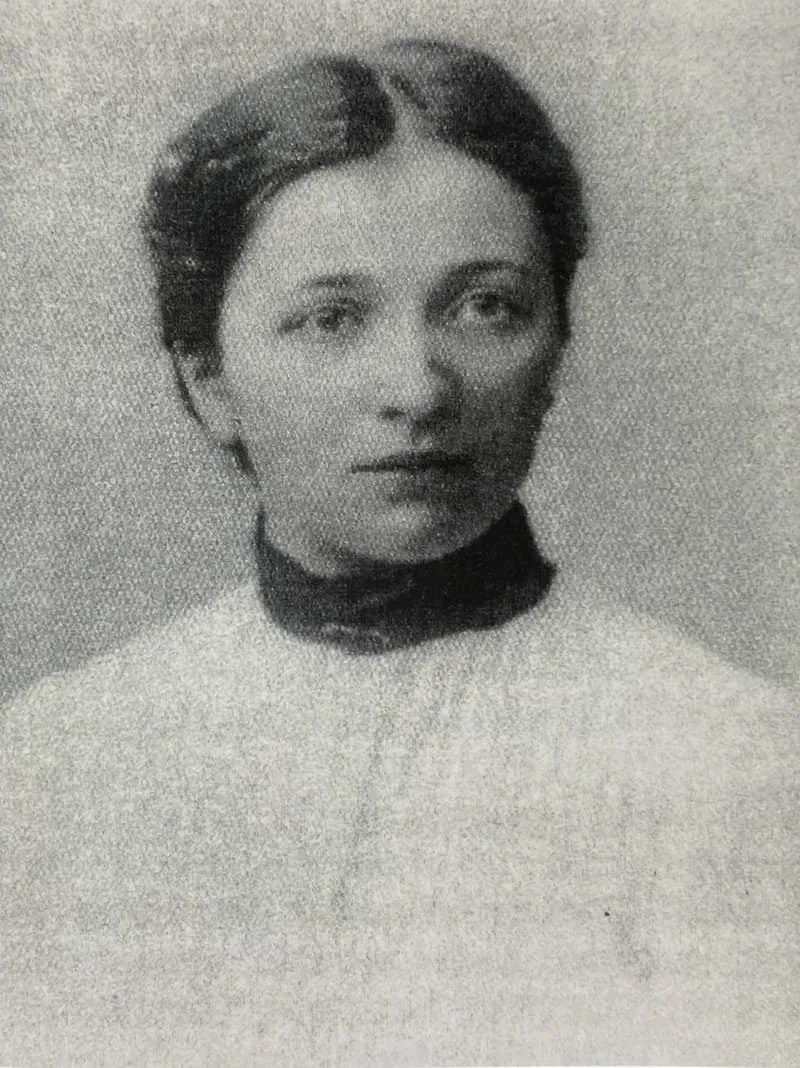
Among the first guests in August 1911 were August and Elisabeth Macke, together with Franz and Maria Marc.
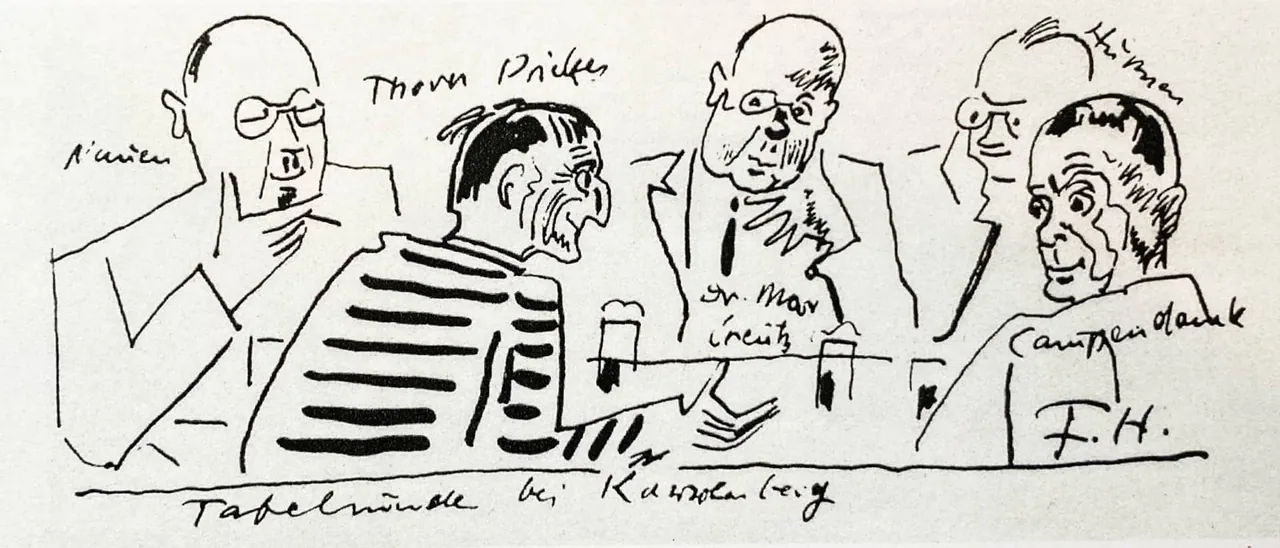
In May 1914, Erich and Siddi Heckel came for several weeks; Heckel and Nauen painted the same motifs and portrayed one another. Heinrich Campendonk, Helmuth Macke, Jan Thorn-Prikker, the collectors Edwin Suermondt and Julius Talbot Keller, the art historians Paul Clemen, Walter Cohen, Walter Kaesbach and Edwin Redslob, and the gallerist Alfred Flechtheim all enjoyed the Nauens' hospitality, often for several days and with a great deal of music.
Walter Kaesbach was Nauen's patron and friend. He collected works by Nauen, Rohlfs, Heckel and other Expressionists, and in 1922 he donated 97 works to his home town of Mönchengladbach. Today, 40 of Nauen's works are held there at the Museum Abteiberg.
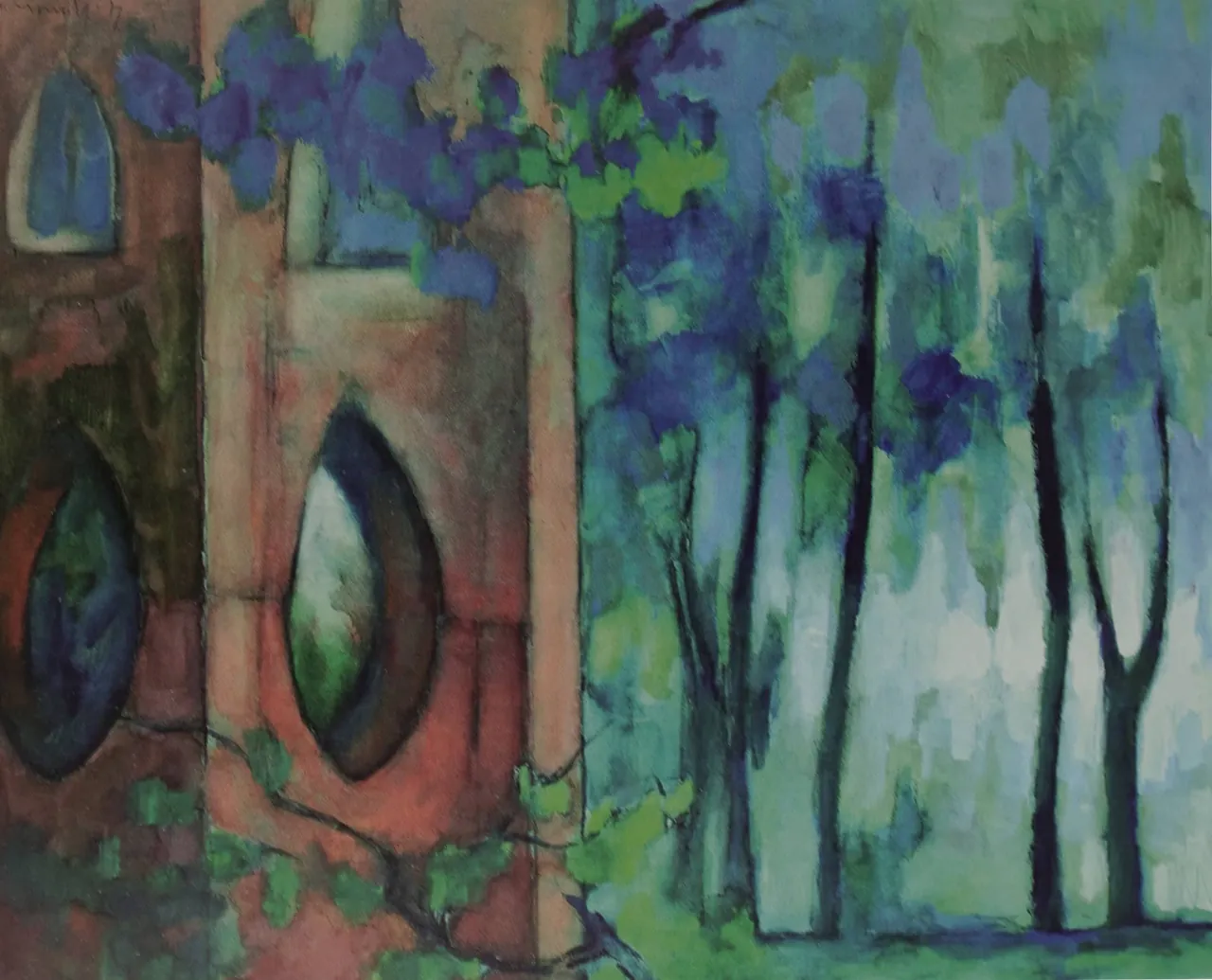
“Such intensity, such concentration, such luminosity and harmony of colour …”
Edwin Suermondt on Nauen's Dilborn paintings, summer 1911
Contemporary art
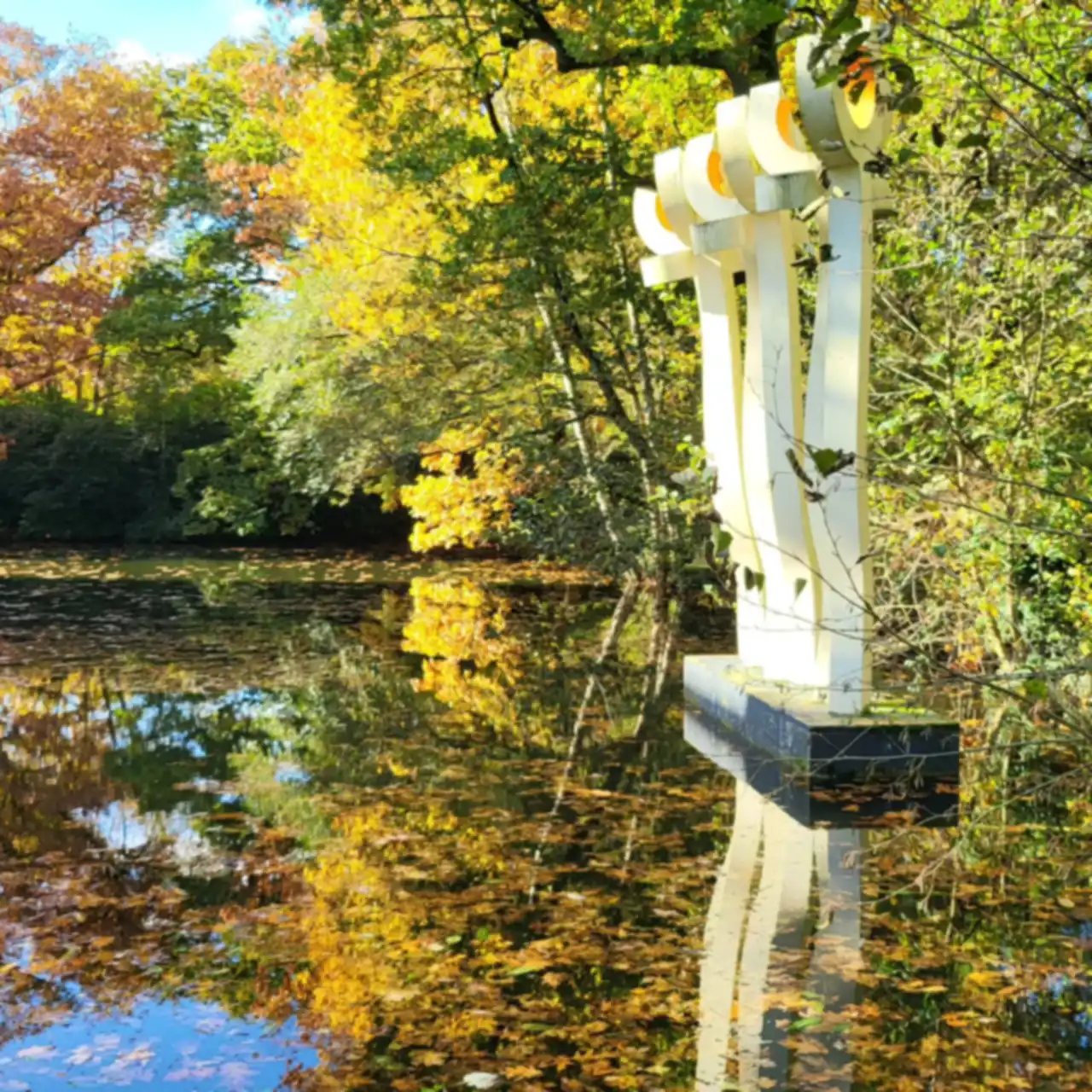
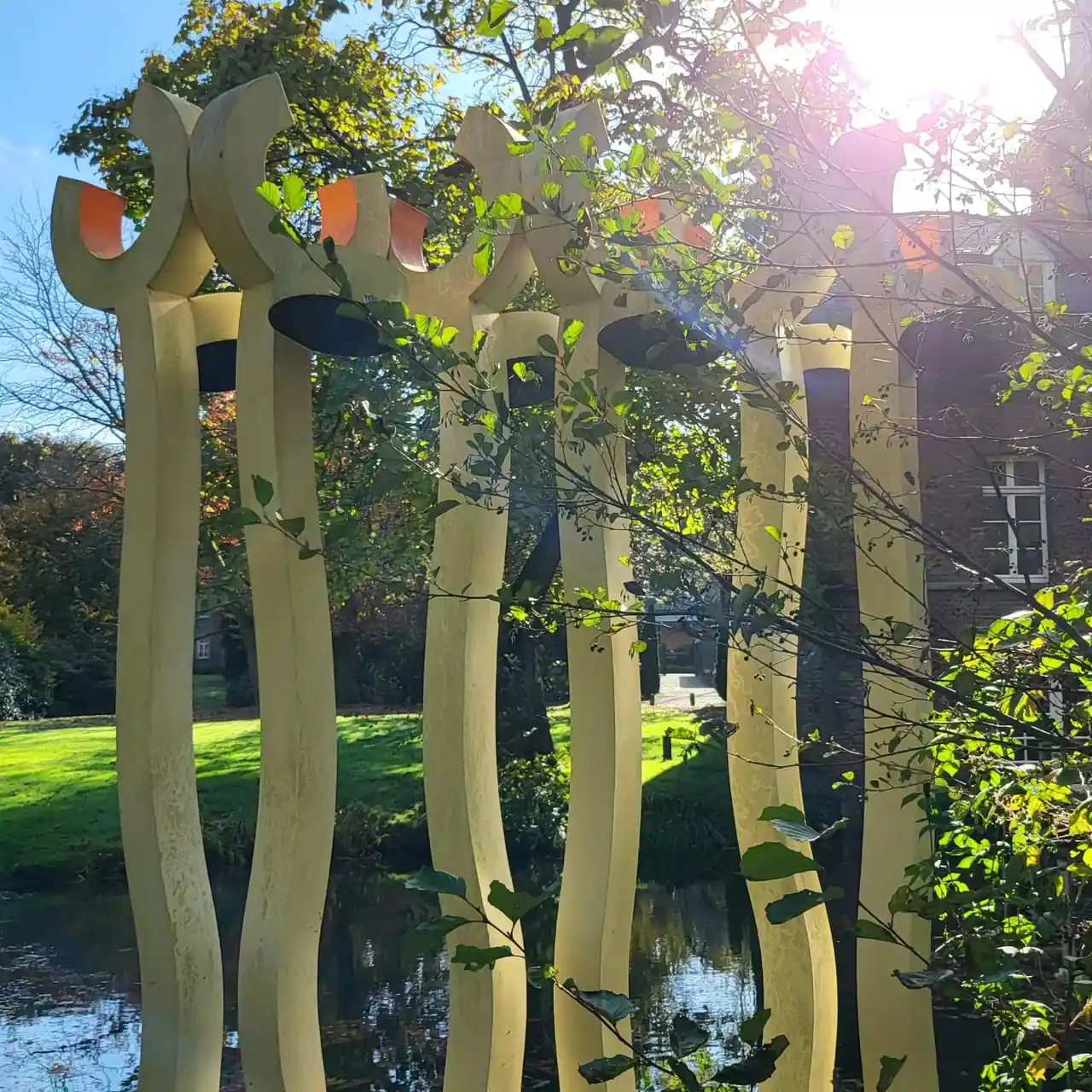
Sculptures in the castle park
After the era of the Nauen couple, too, Wasserschloss Dilborn has continued to gain new works of art.
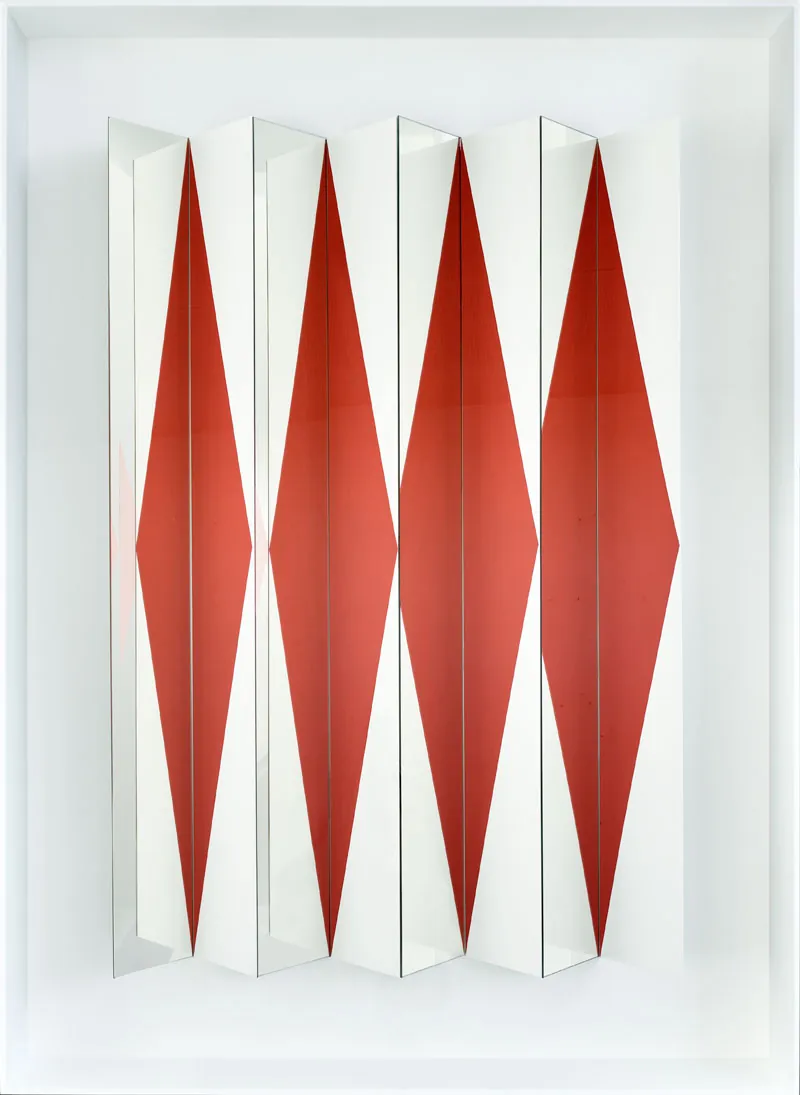
Ohne Titel (Untitled)
Large-scale sculptures of polished stone and steel combined with mirrors. Participant in documenta IV.
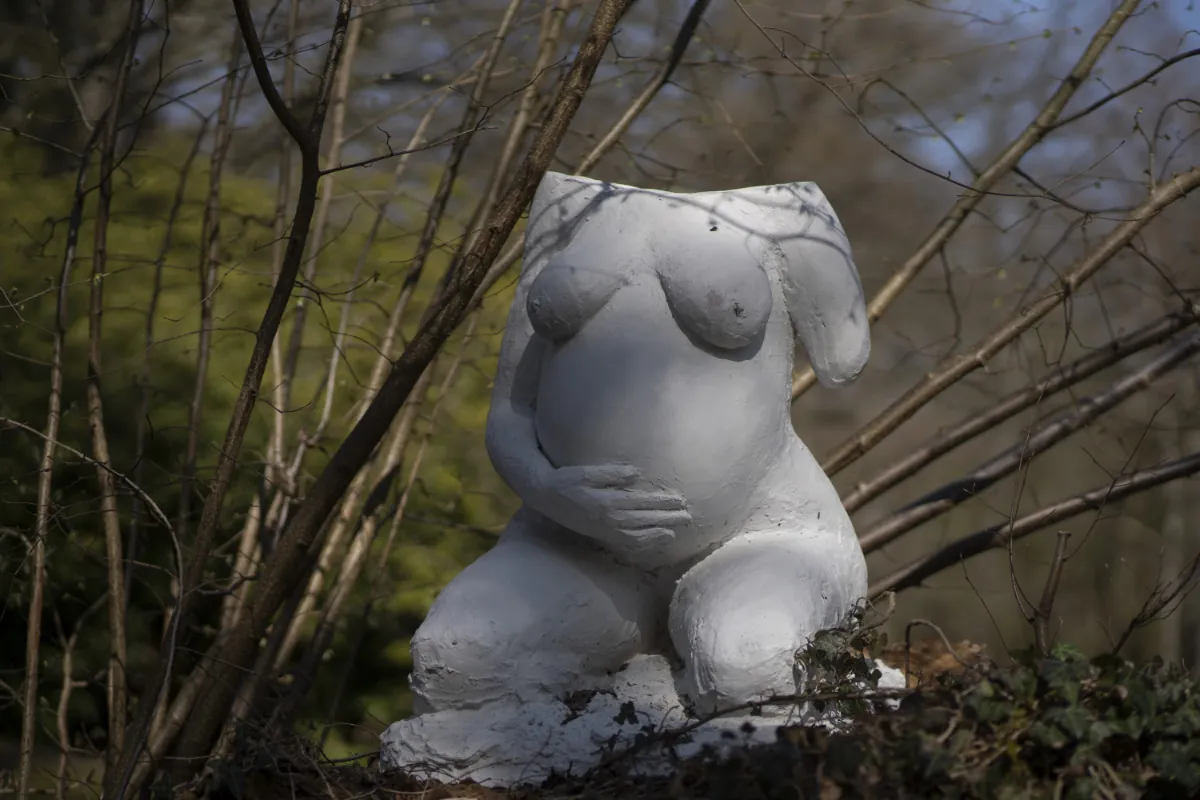
Continuum
Works in private collections from New York to Hong Kong. Her sculpture “Continuum” stands at Wasserschloss Dilborn.
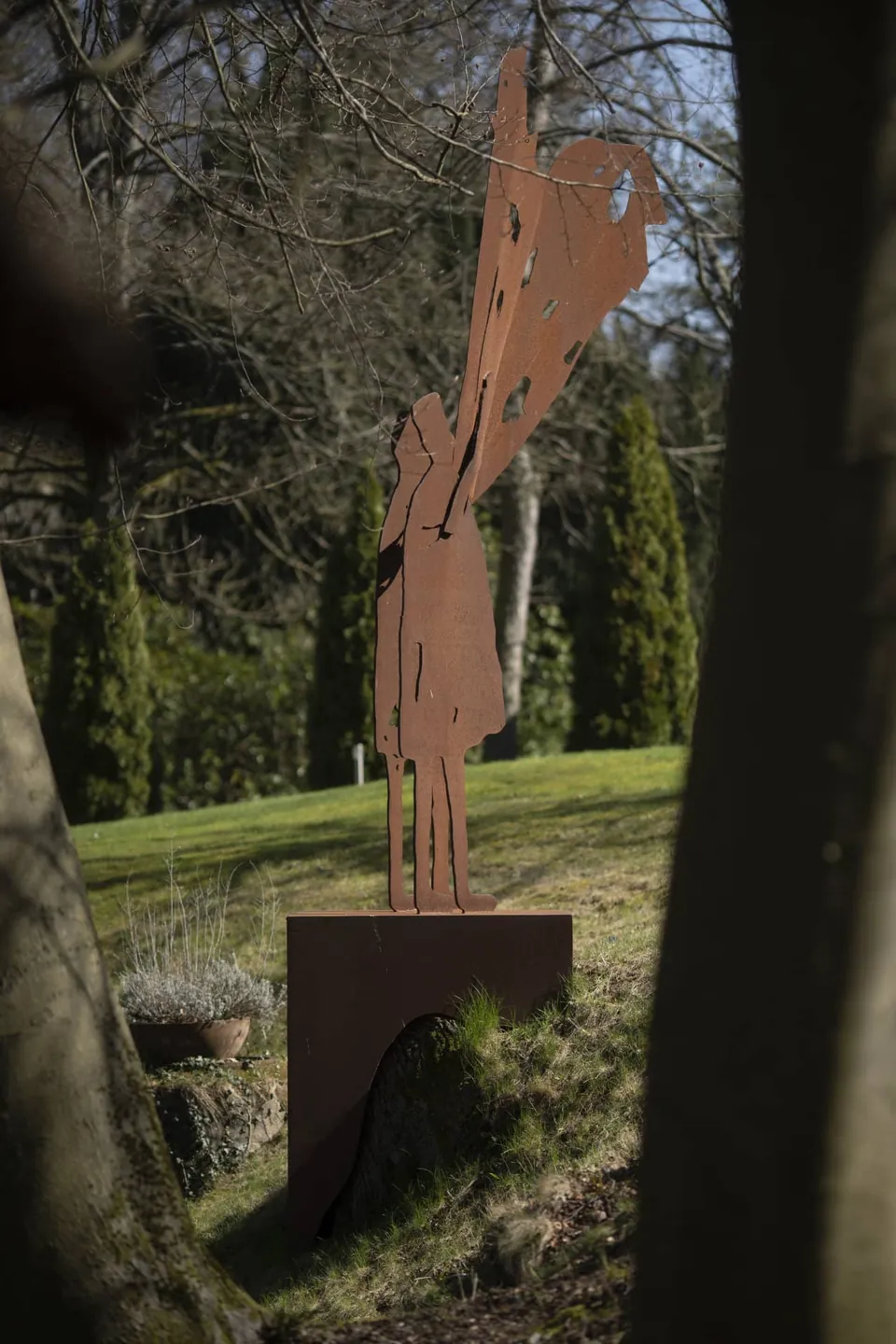
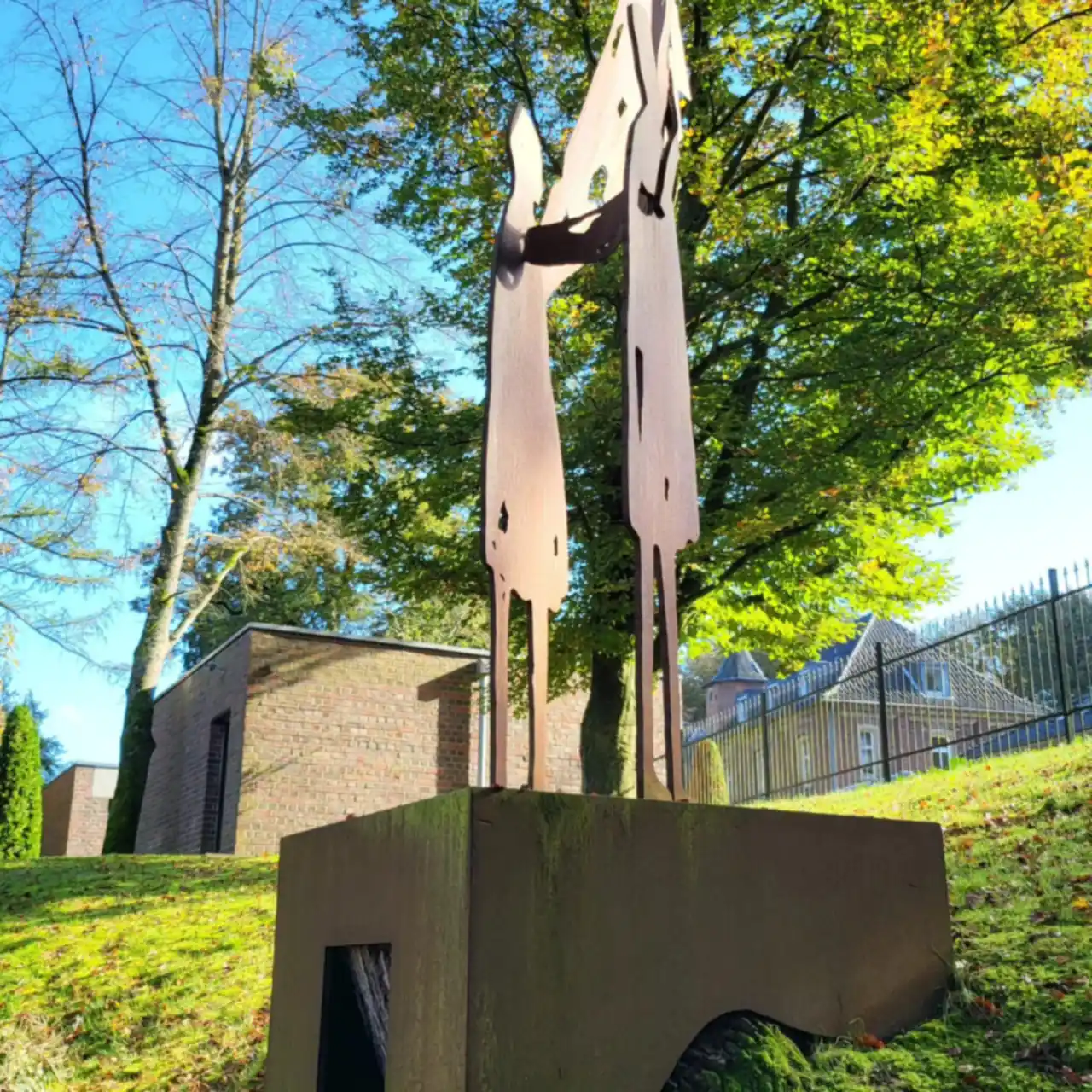
Der Zufall ist ein großer Organisator (Chance Is a Great Organiser)
His steel sculpture “Der Zufall ist ein großer Organisator” (Chance Is a Great Organiser) stands on the stump of a mighty oak in the park.
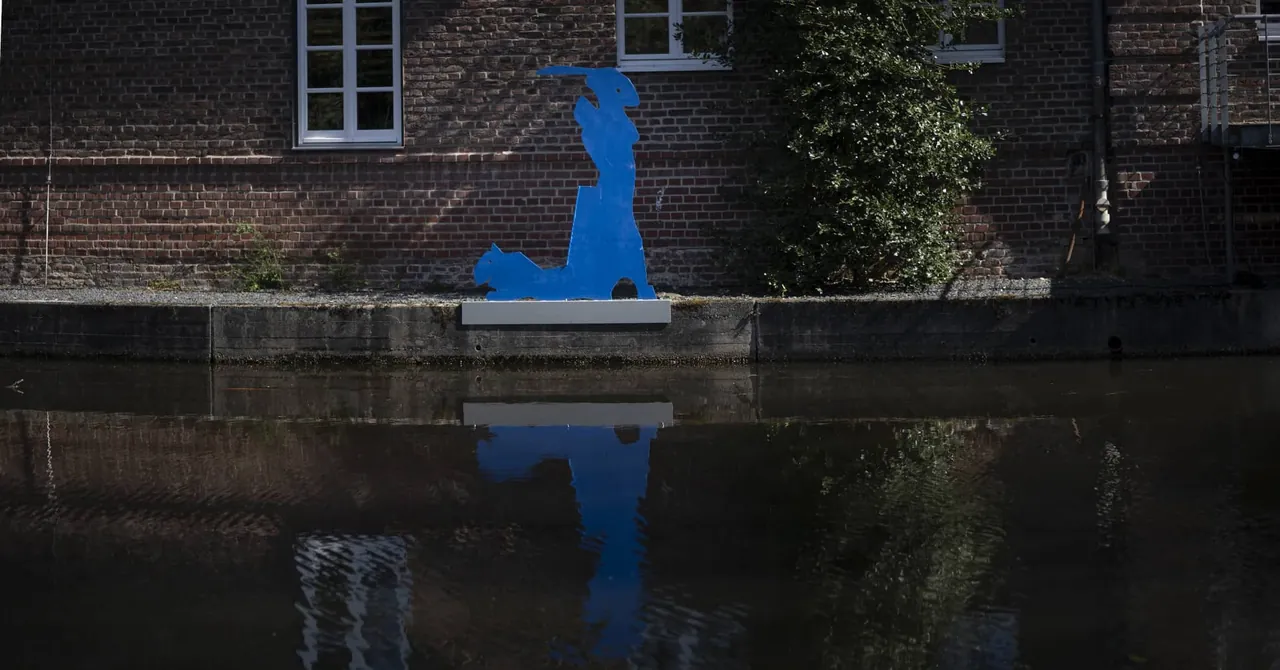
La Belle et la Bête (Beauty and the Beast)
“La Belle et la Bête” (Beauty and the Beast), cut from a steel plate and lacquered blue, right beside the moat.
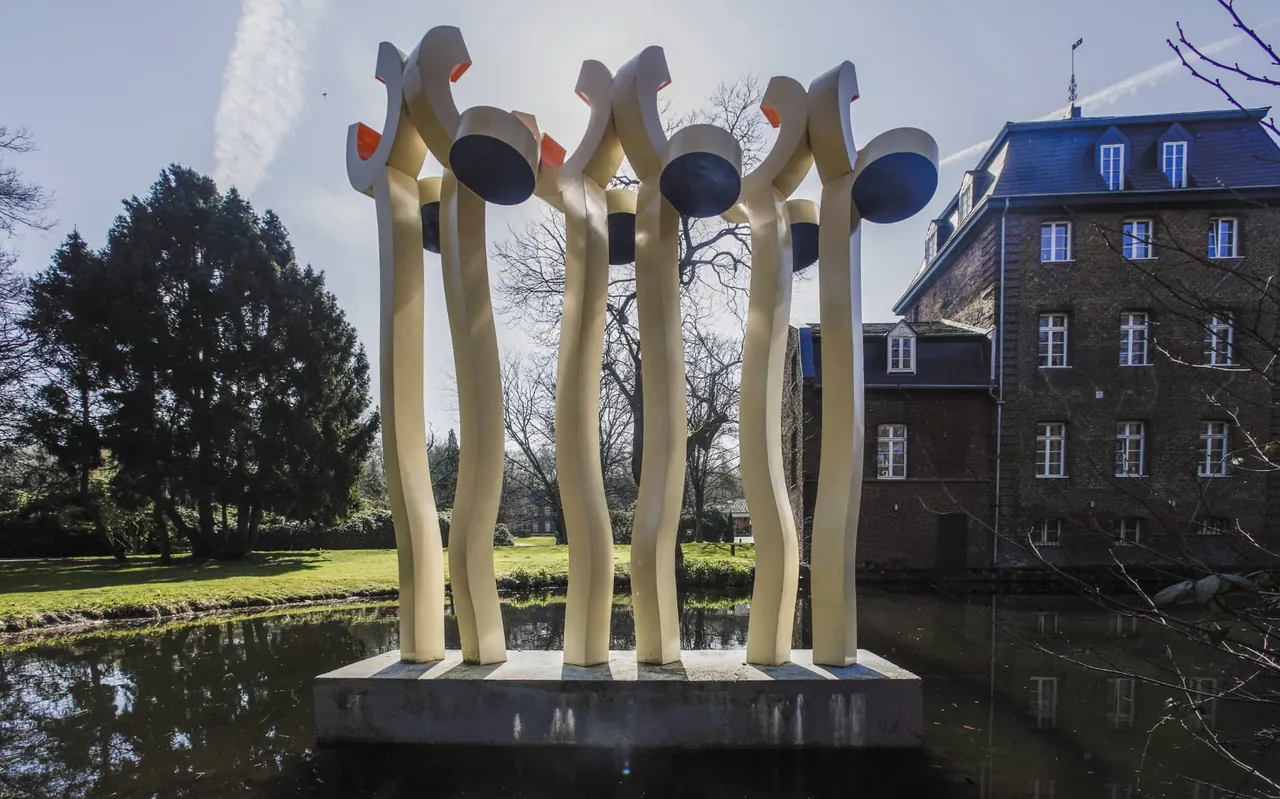
Die drei Grazien (The Three Graces)
“Die drei Grazien” (The Three Graces), made of colour-coated aluminium, are reflected in the moat.
Art in the park
Sculptures among leaves and water
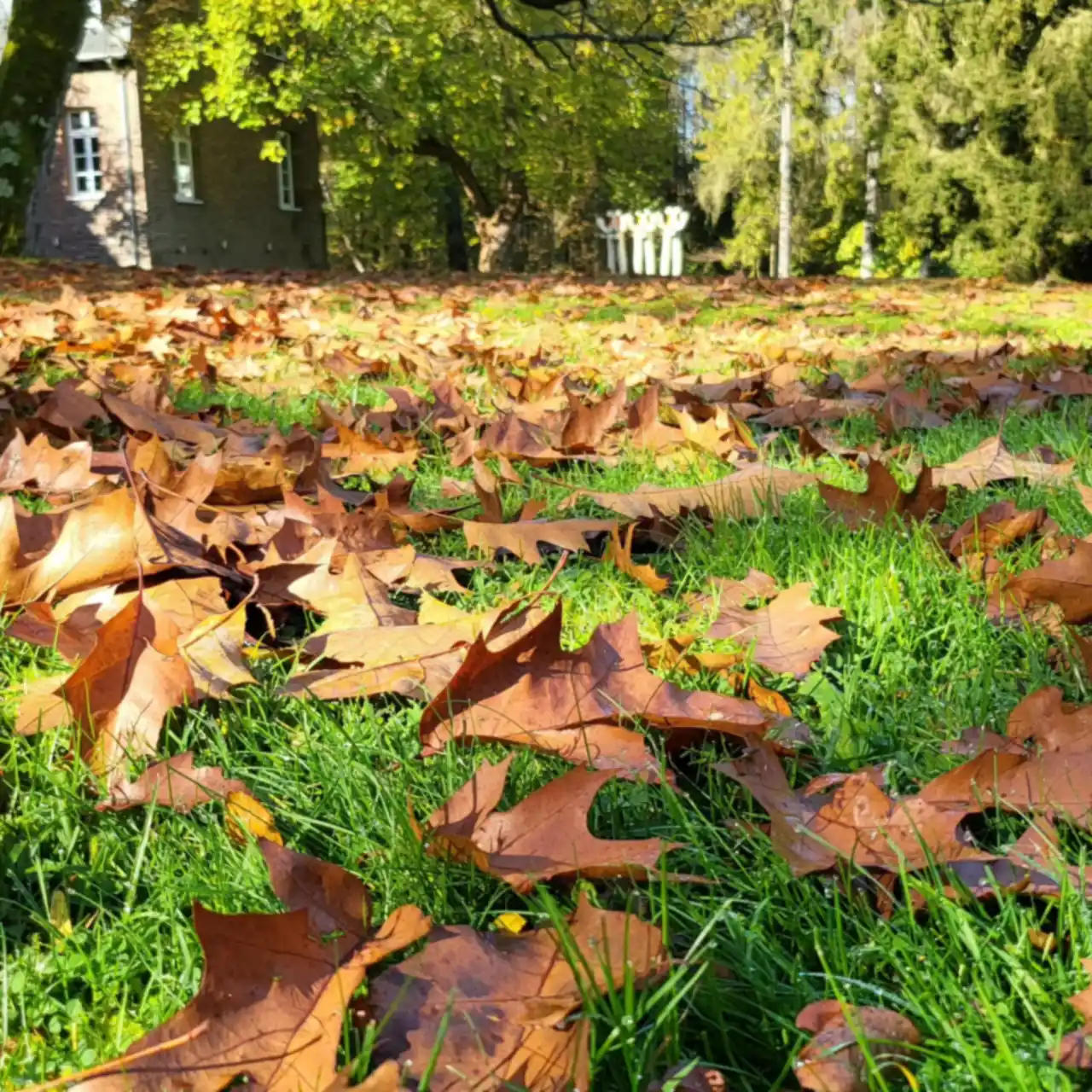
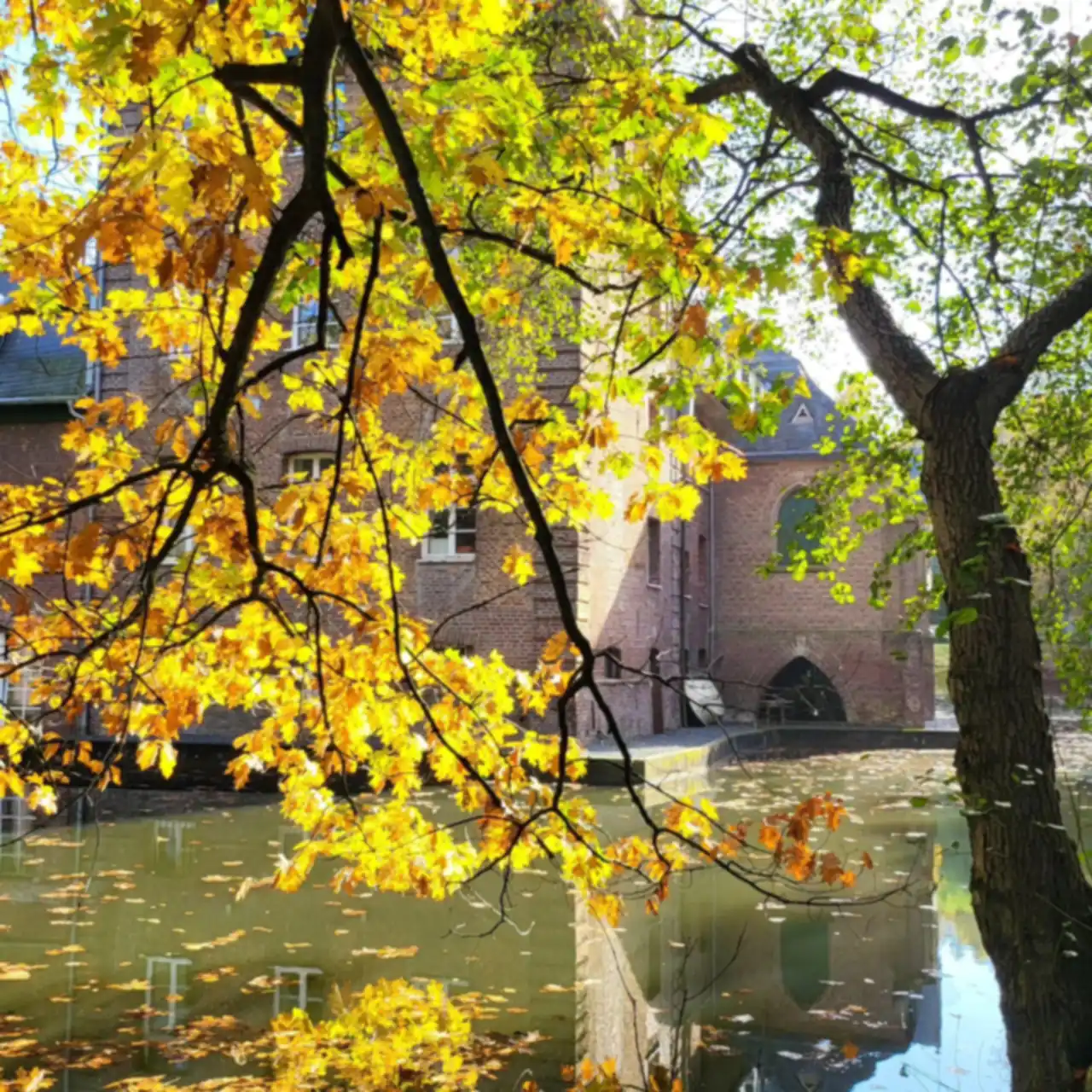
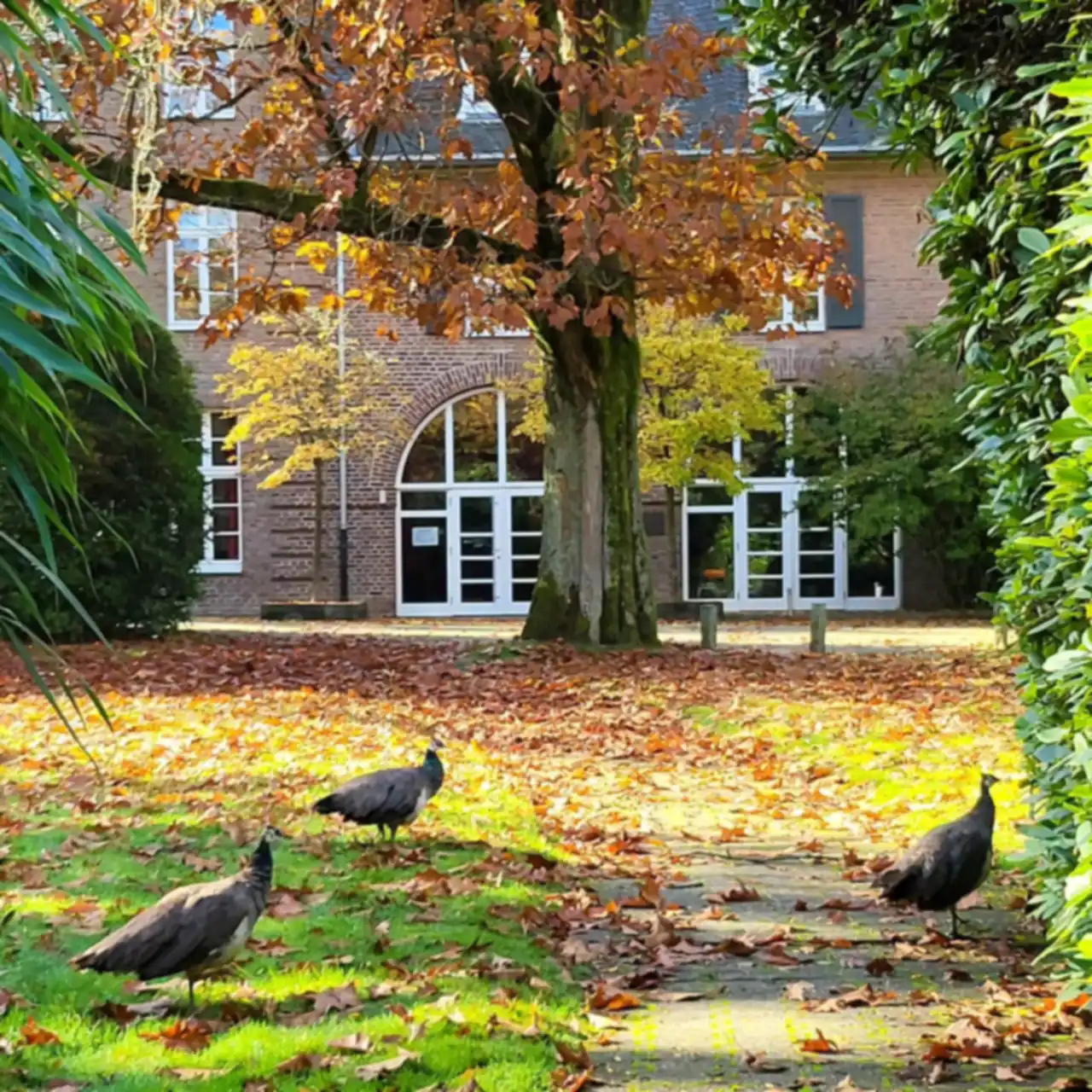
Works by contemporary artists stand on the lawns and in the moat. New pictures of the castle are posted on Instagram.
@schlossdilborn