
Brüggen · Lower Rhine · since 1363
Wasserschloss Dilborn
A moated castle on the Schwalm: six centuries of history, twenty years as a home of Rhenish Expressionism and a park full of life.
Welcome
A moated castle 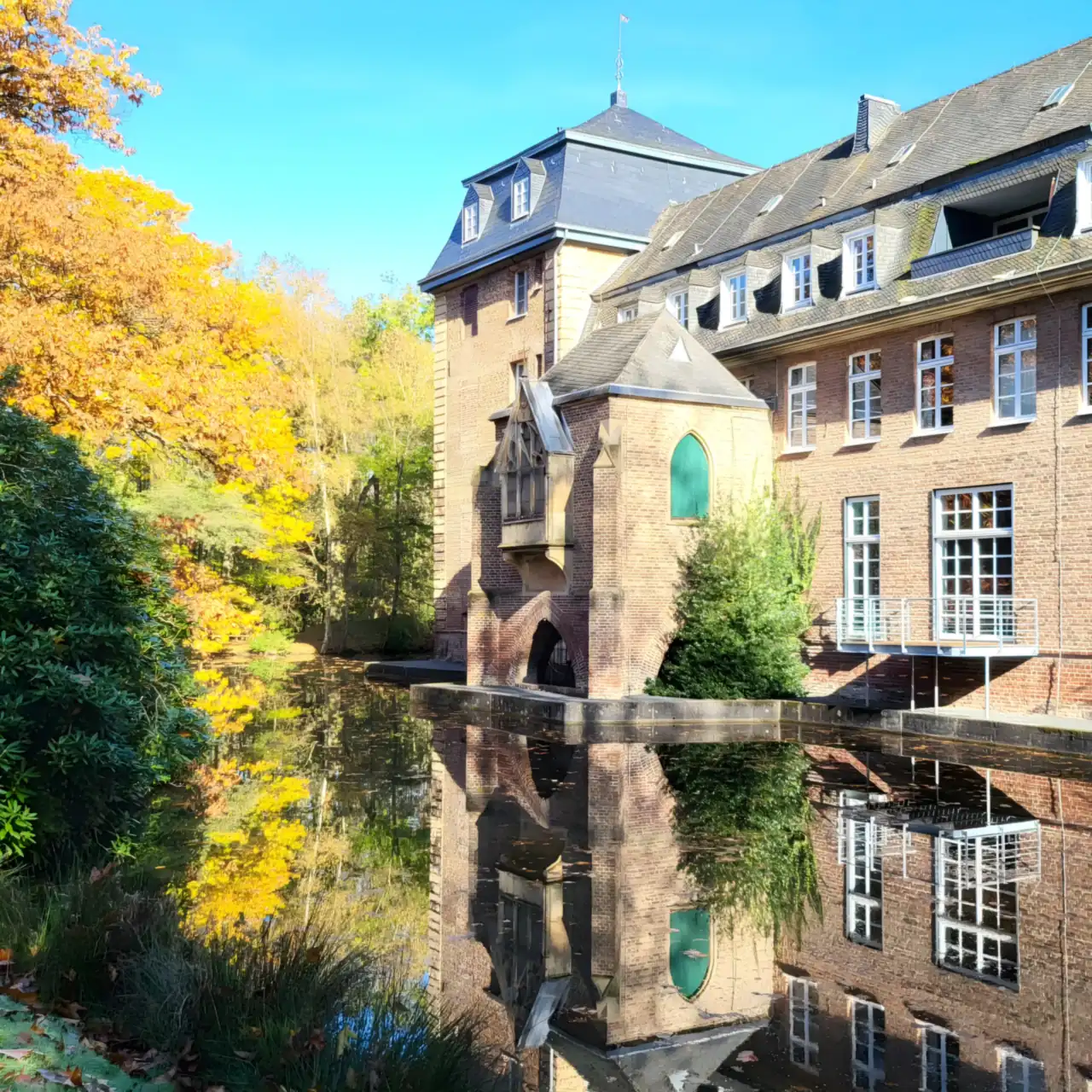 that was home to dukes, counts and
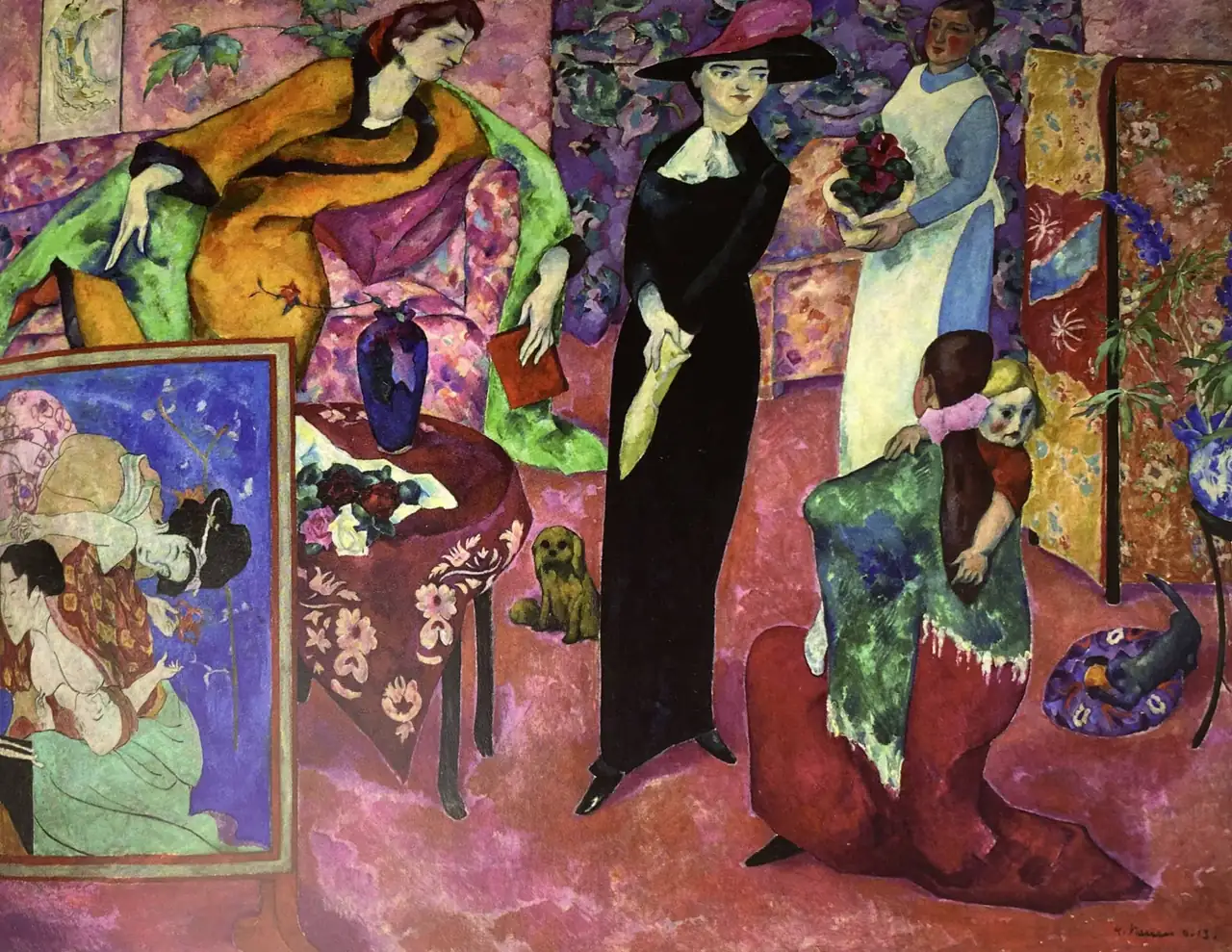 painters and today gives art and nature
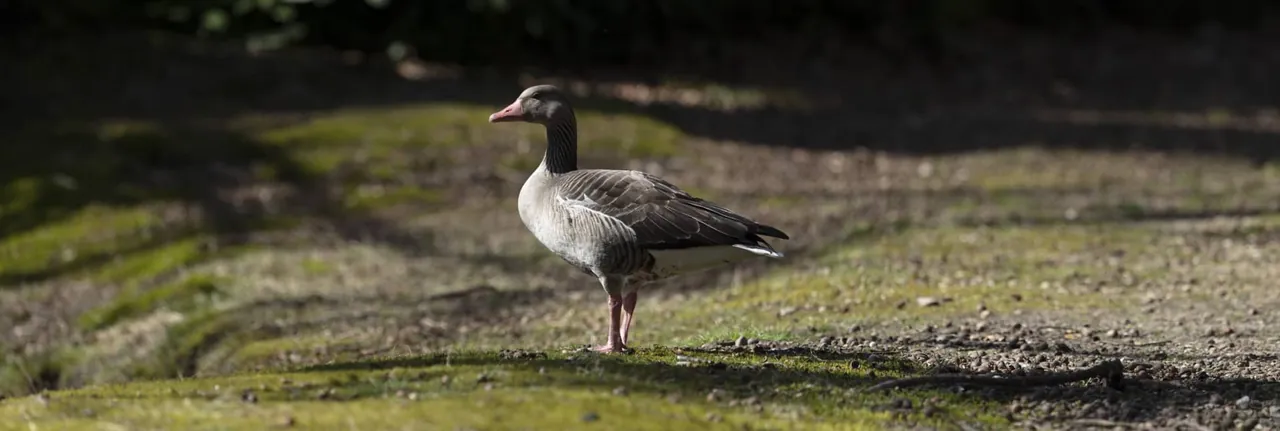 a stage.
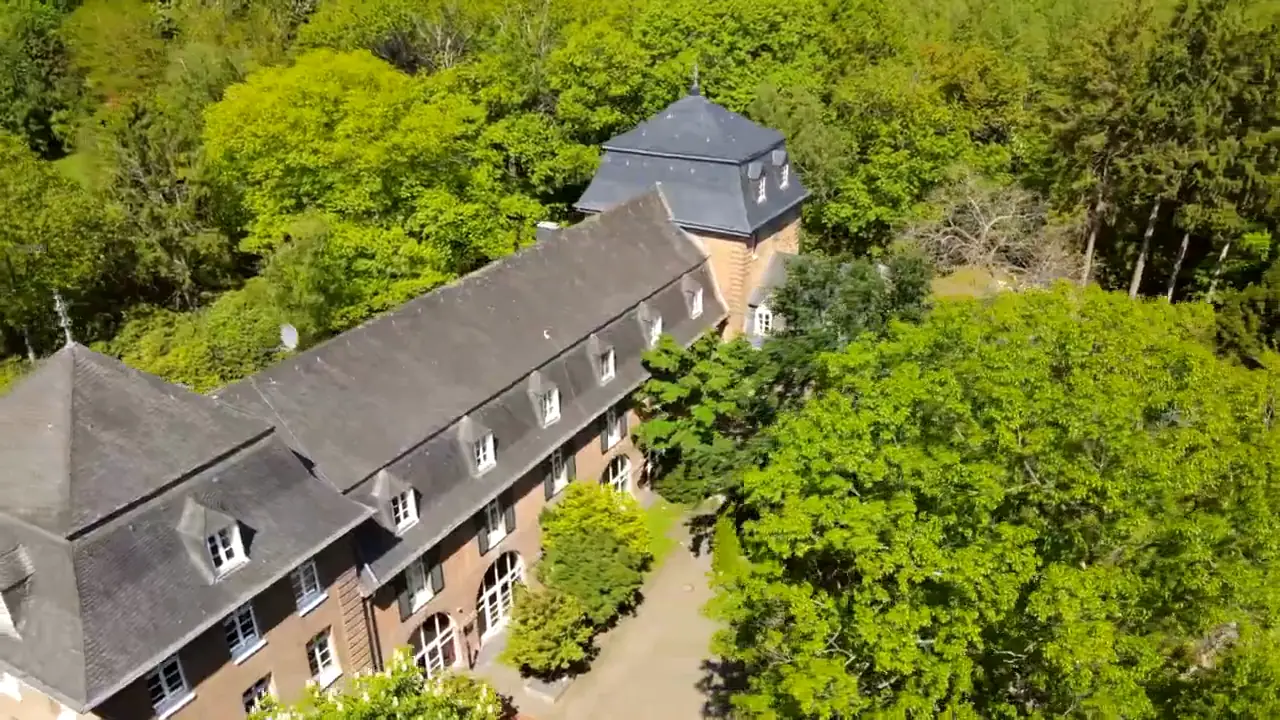
Wasserschloss Dilborn is a former moated castle on the banks of the Schwalm and belongs to the municipality of Brüggen on the left bank of the Lower Rhine. Castles like this one are guardians of times past: they tell of the places and the people who lived in them.
Read the history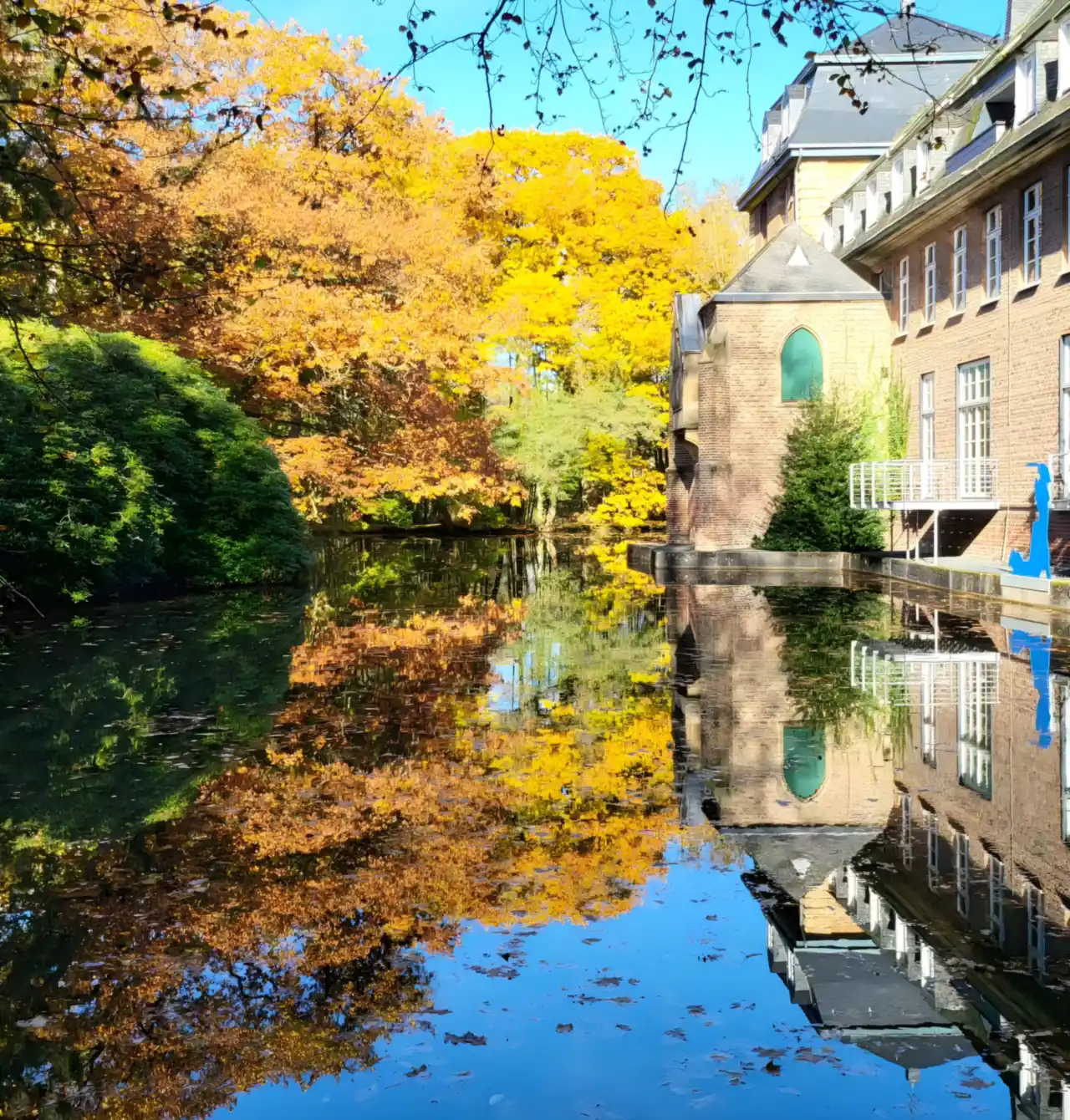
More than a beautiful moated castle
From the fief of Duke Edward of Guelders, through the Imperial Counts of Schaesberg and the children’s home of the Dernbach Sisters, to the careful renewal by the architect Auguste Triet.
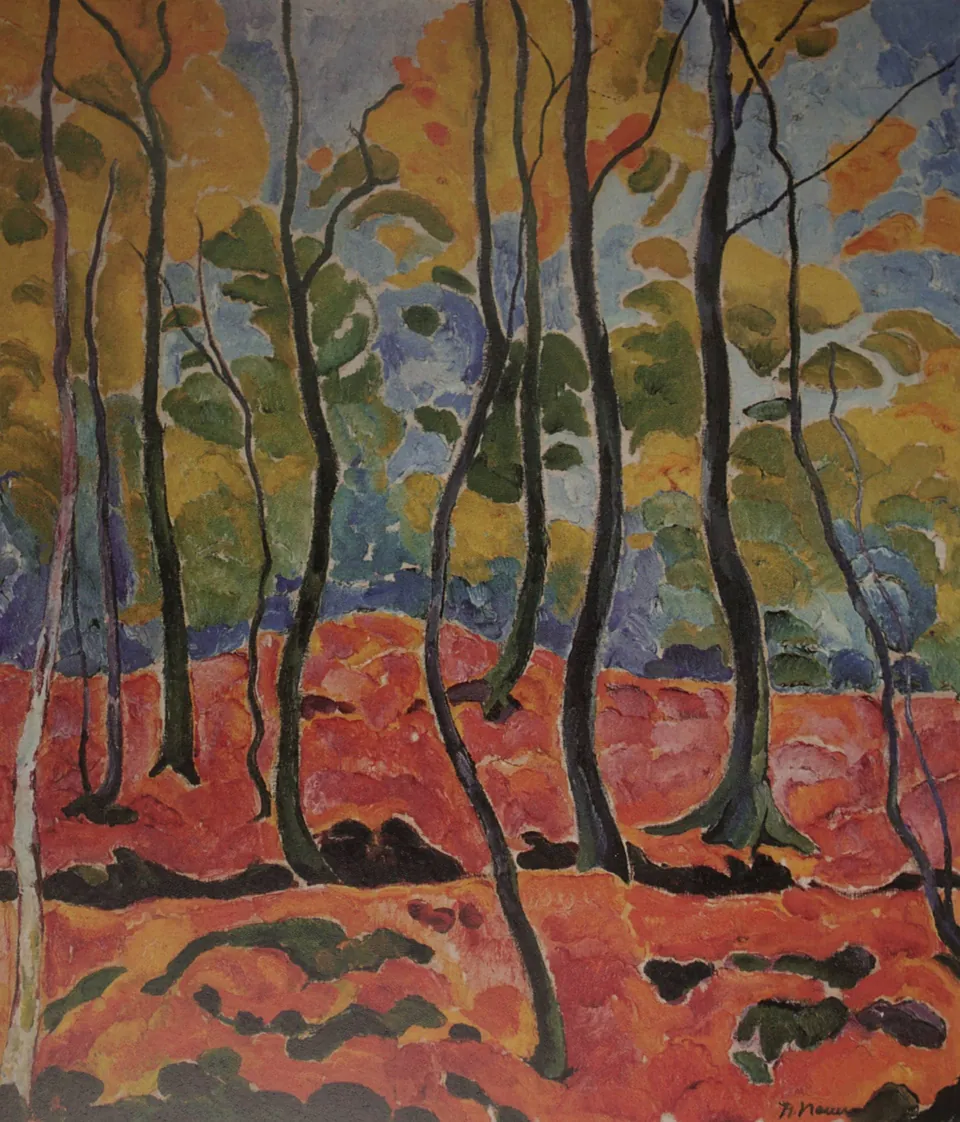
A home for exceptional talent
From 1911 to 1931, Heinrich Nauen and Marie von Malachowski-Nauen lived at Dilborn. August Macke, Franz Marc and Erich Heckel painted here. Today, sculptures by contemporary artists stand in the park.
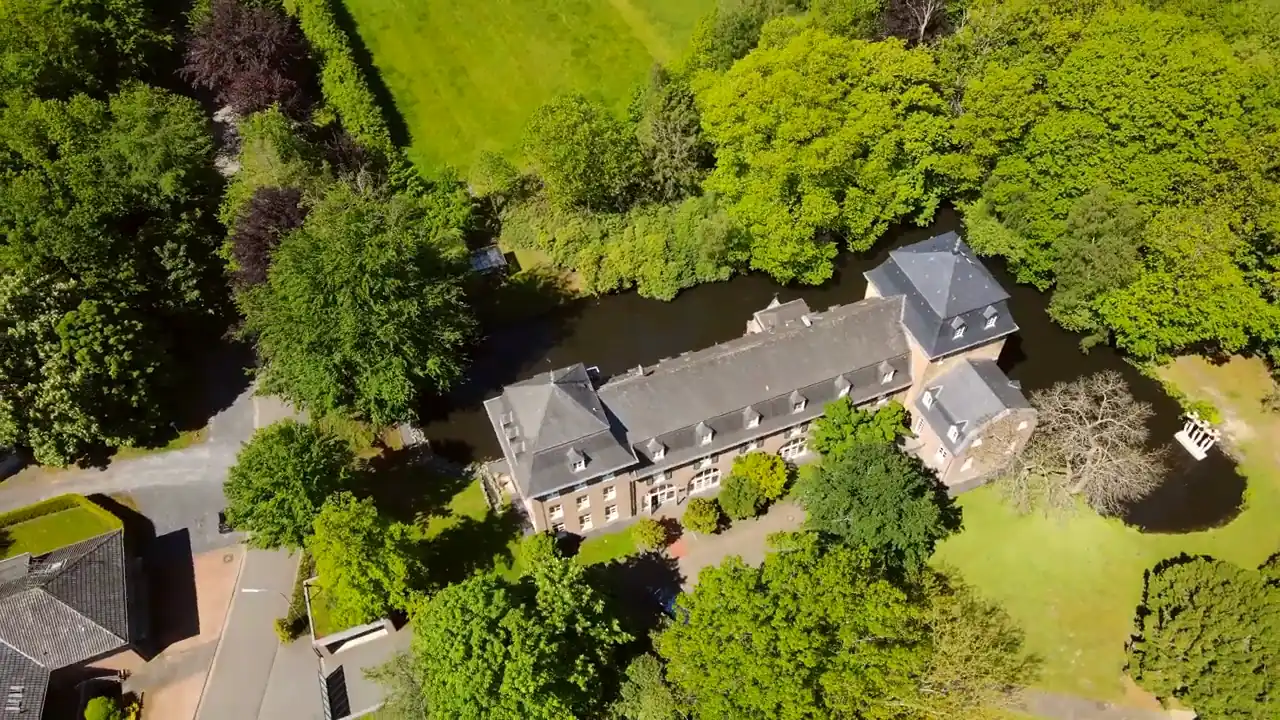
A habitat for wildlife and people
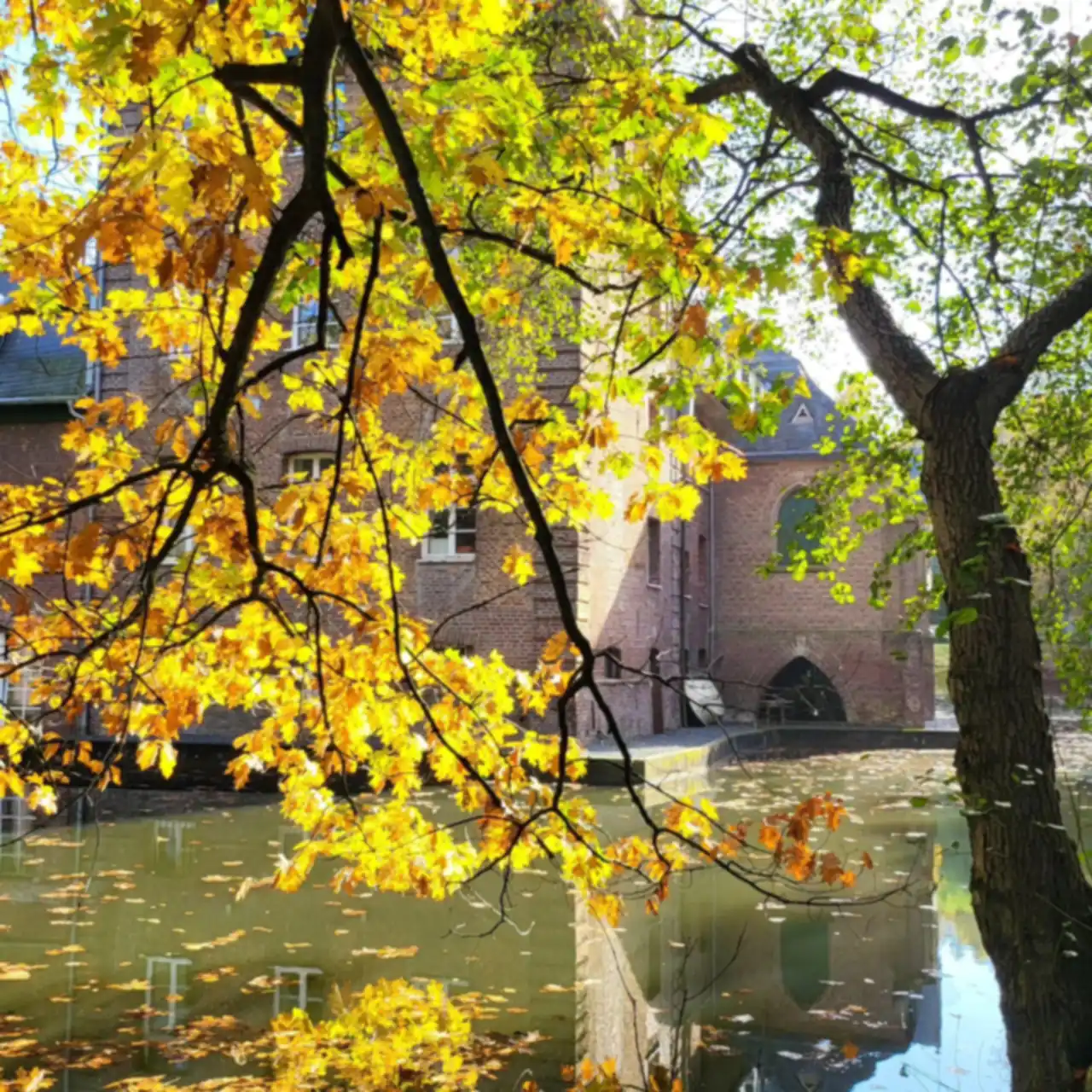
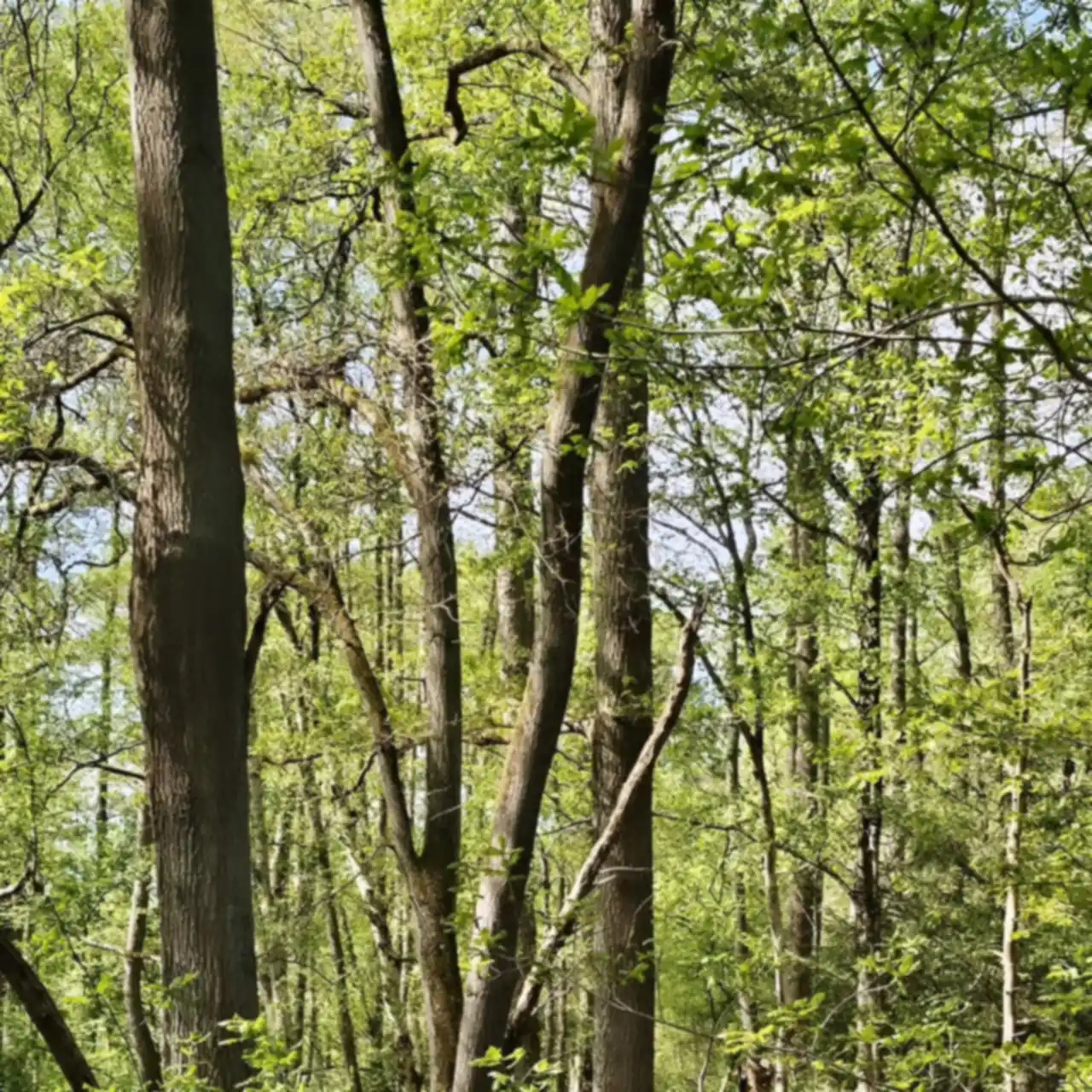
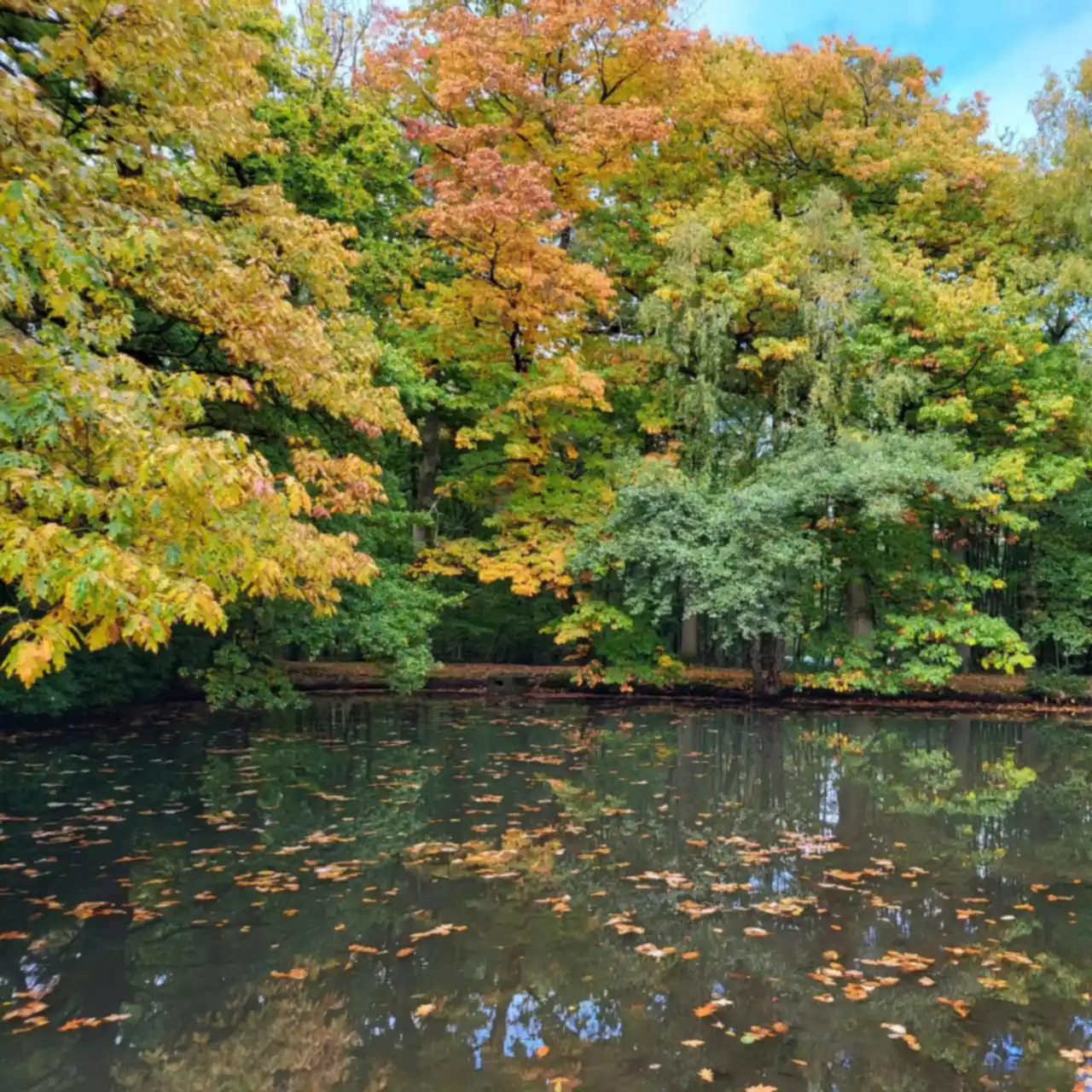
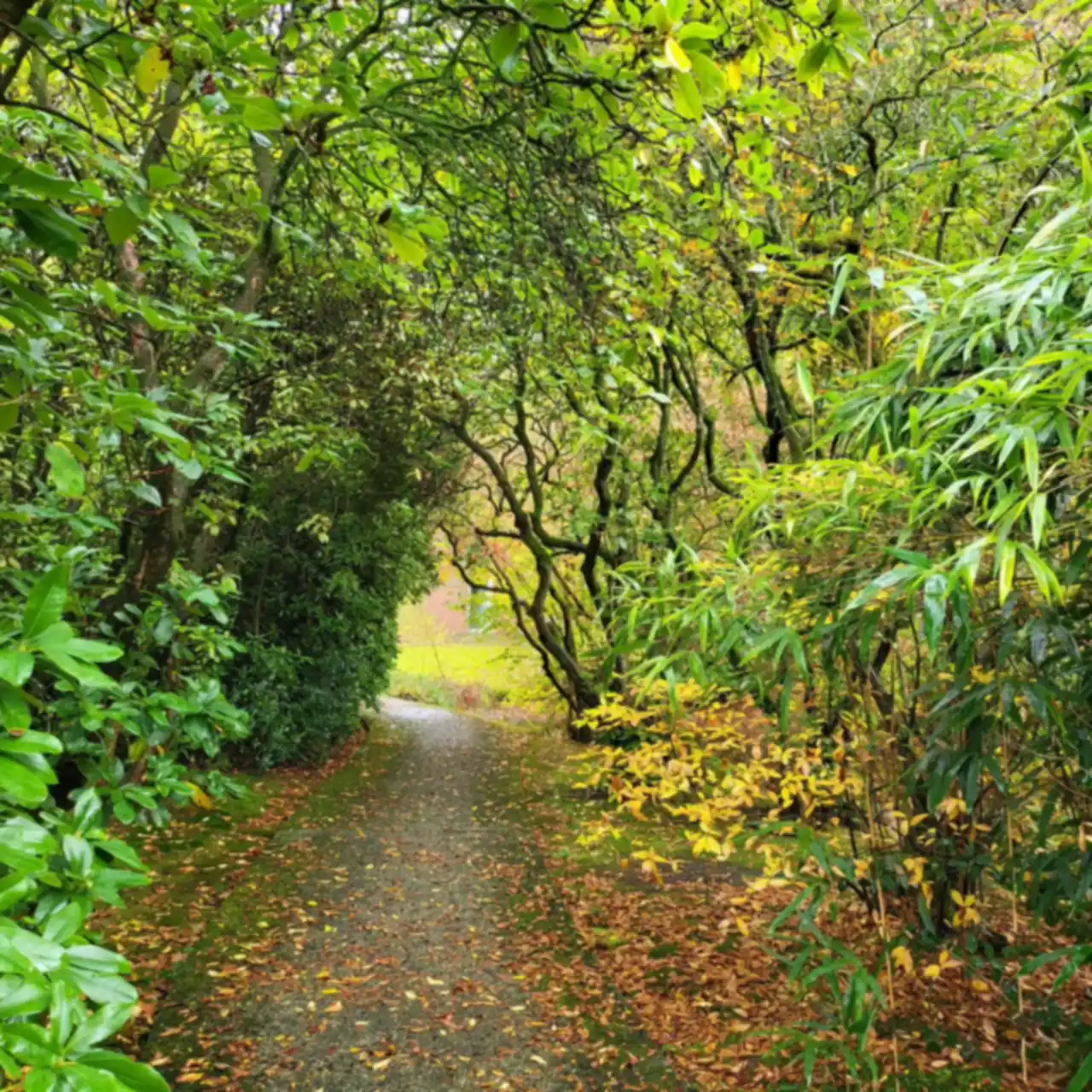
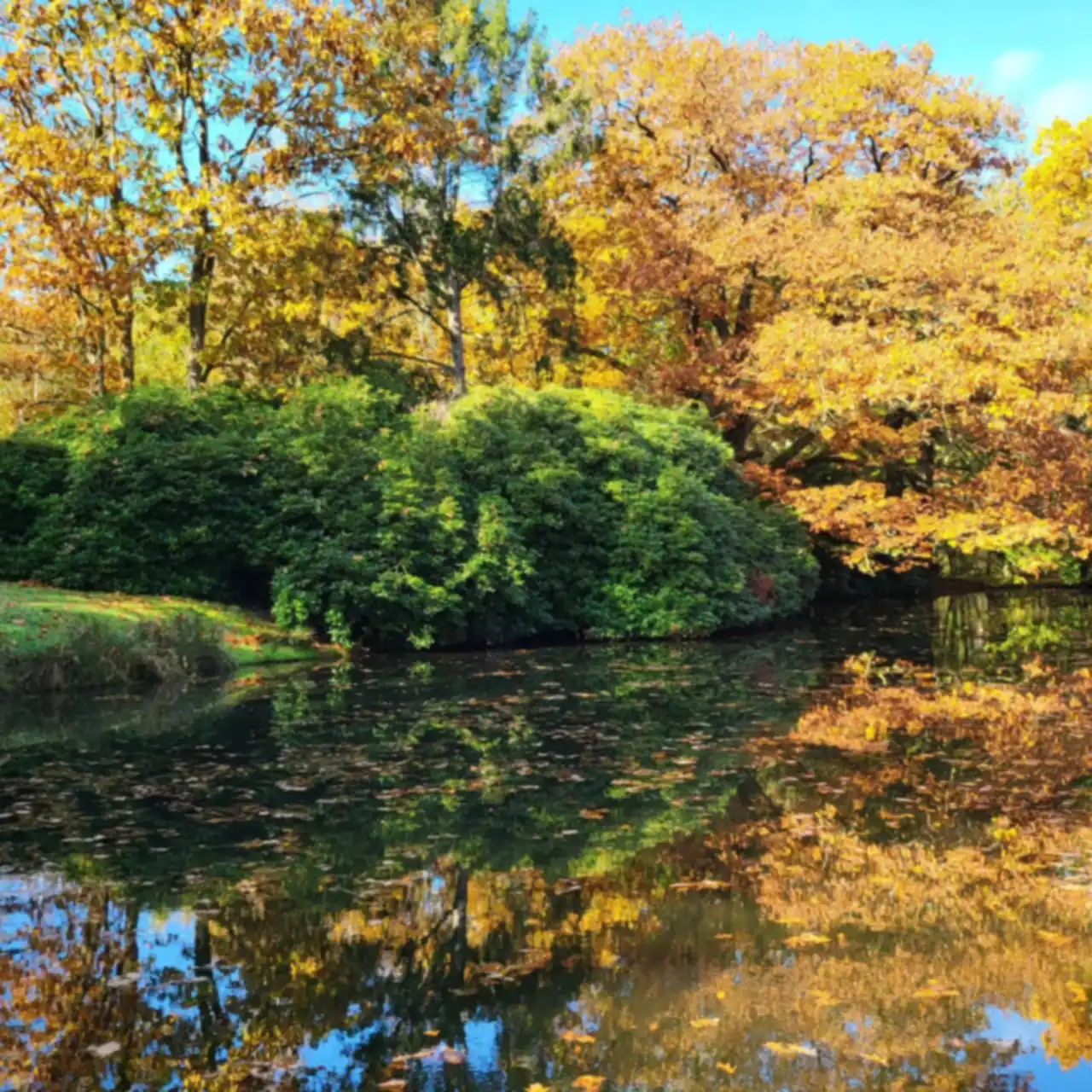
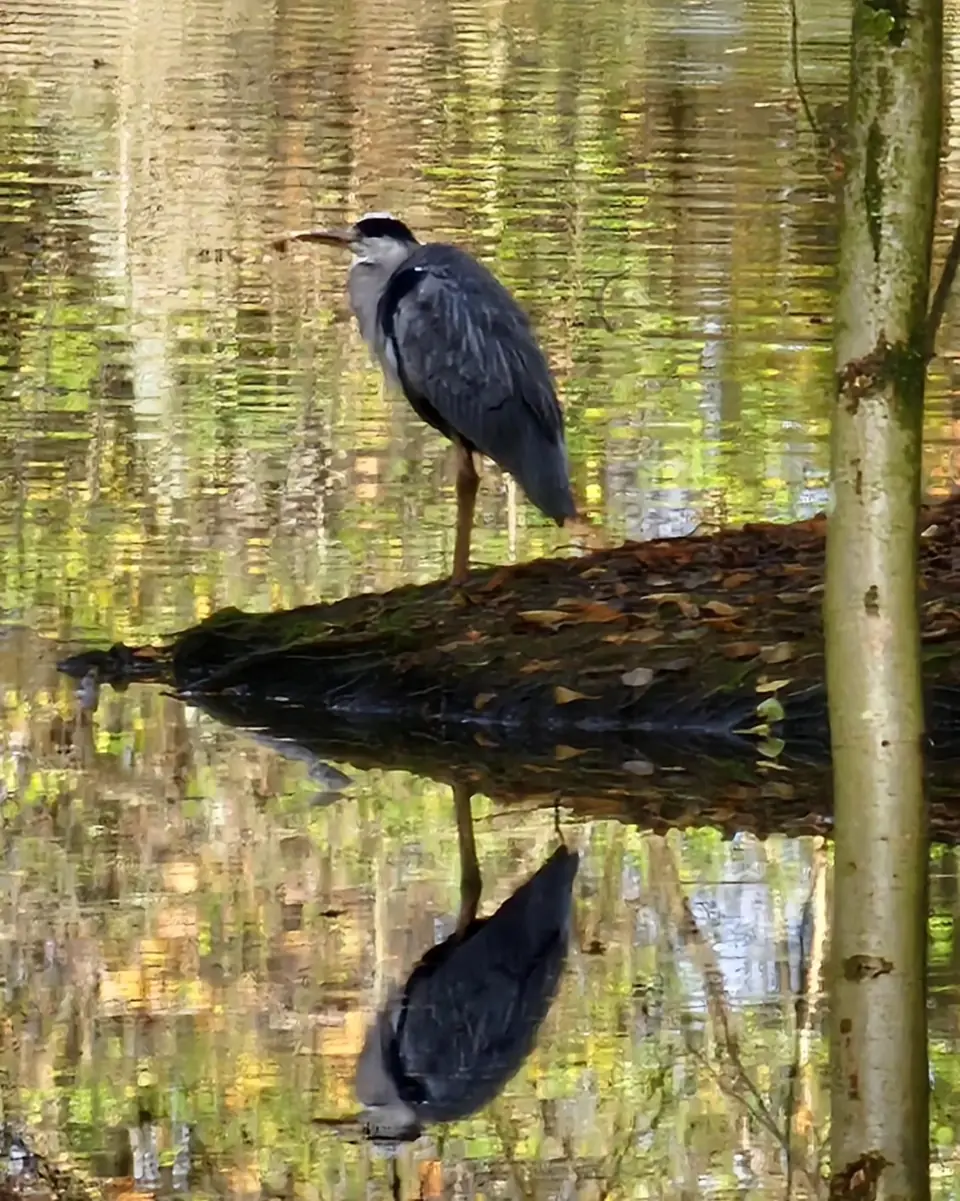
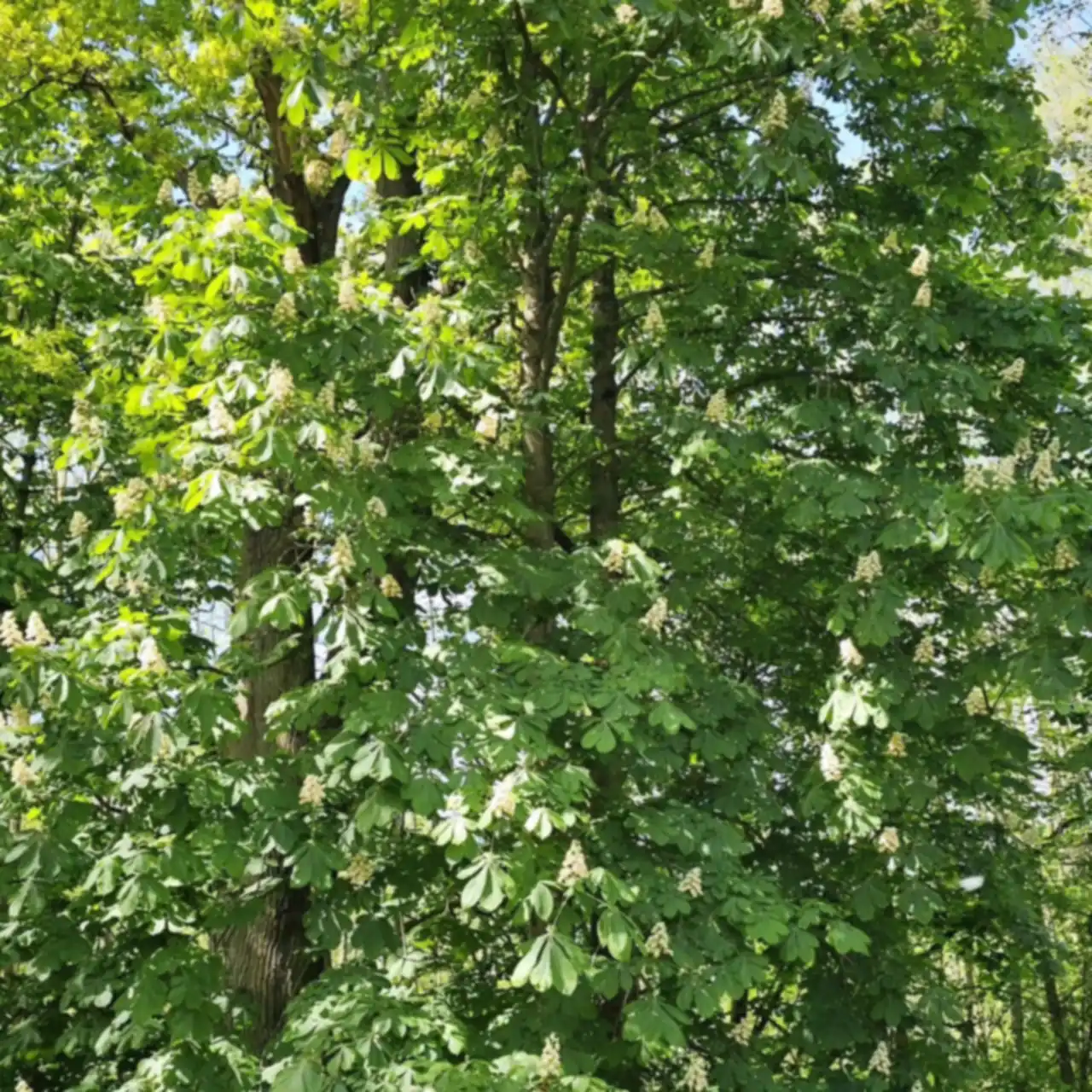
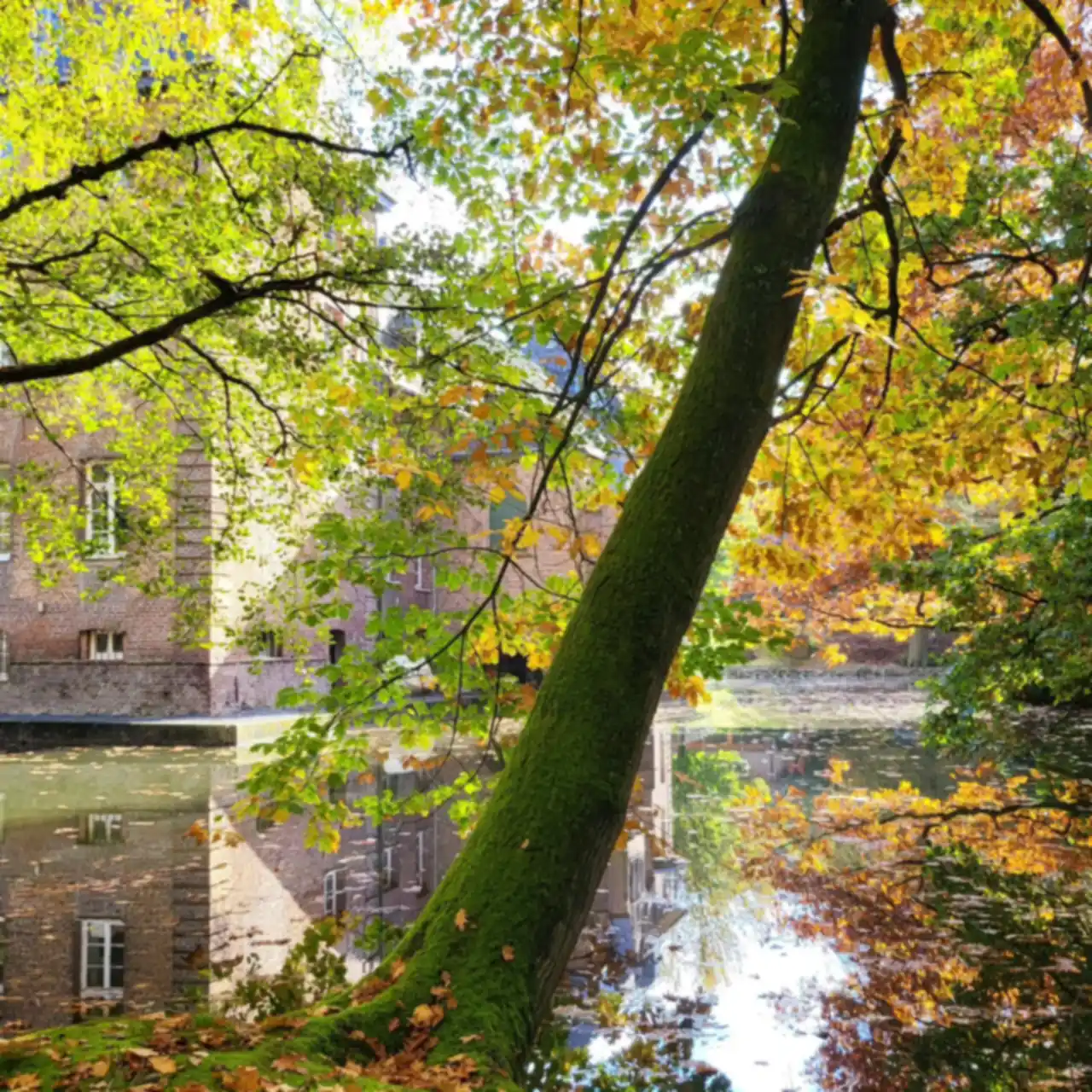
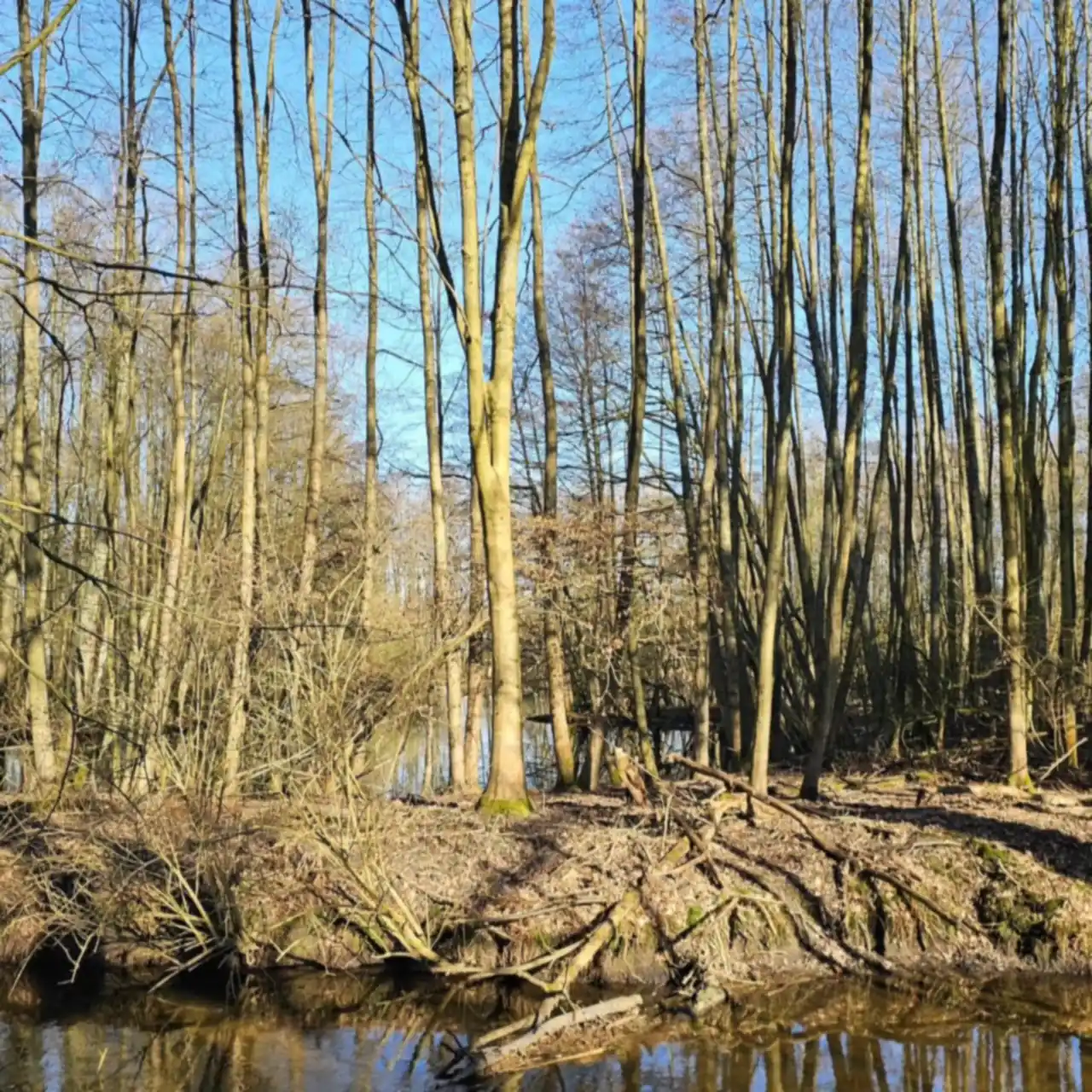
Centuries-old trees, the moat and the Schwalm: kingfishers, beavers and squirrels live here, and every March the Canada geese return.
Chronicle of the owners
Six centuries, twelve chapters
“I now live in what is, for me, the most beautiful landscape imaginable.”
Heinrich Nauen to Walter Kaesbach, May 1911
Art in the park
Sculptures in the open air
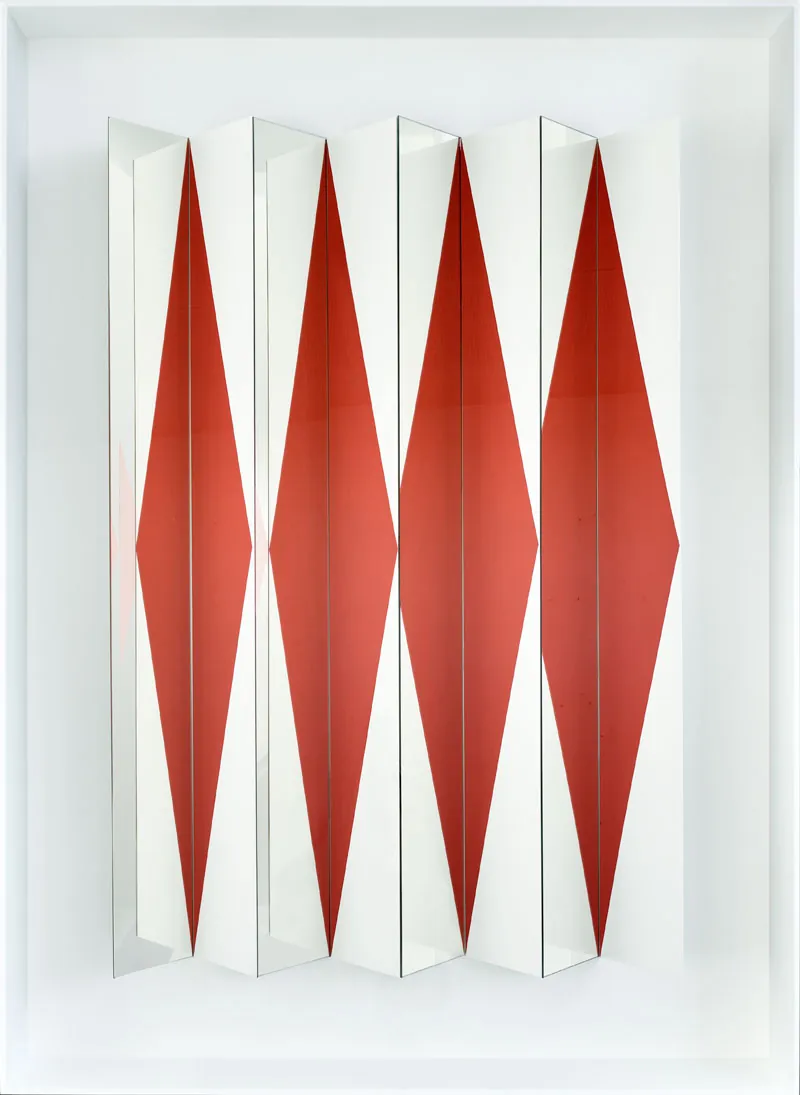
Ohne Titel (Untitled)
Large-scale sculptures of polished stone and steel combined with mirrors. Participant in documenta IV.

Continuum
Works in private collections from New York to Hong Kong. Her sculpture “Continuum” stands at Wasserschloss Dilborn.
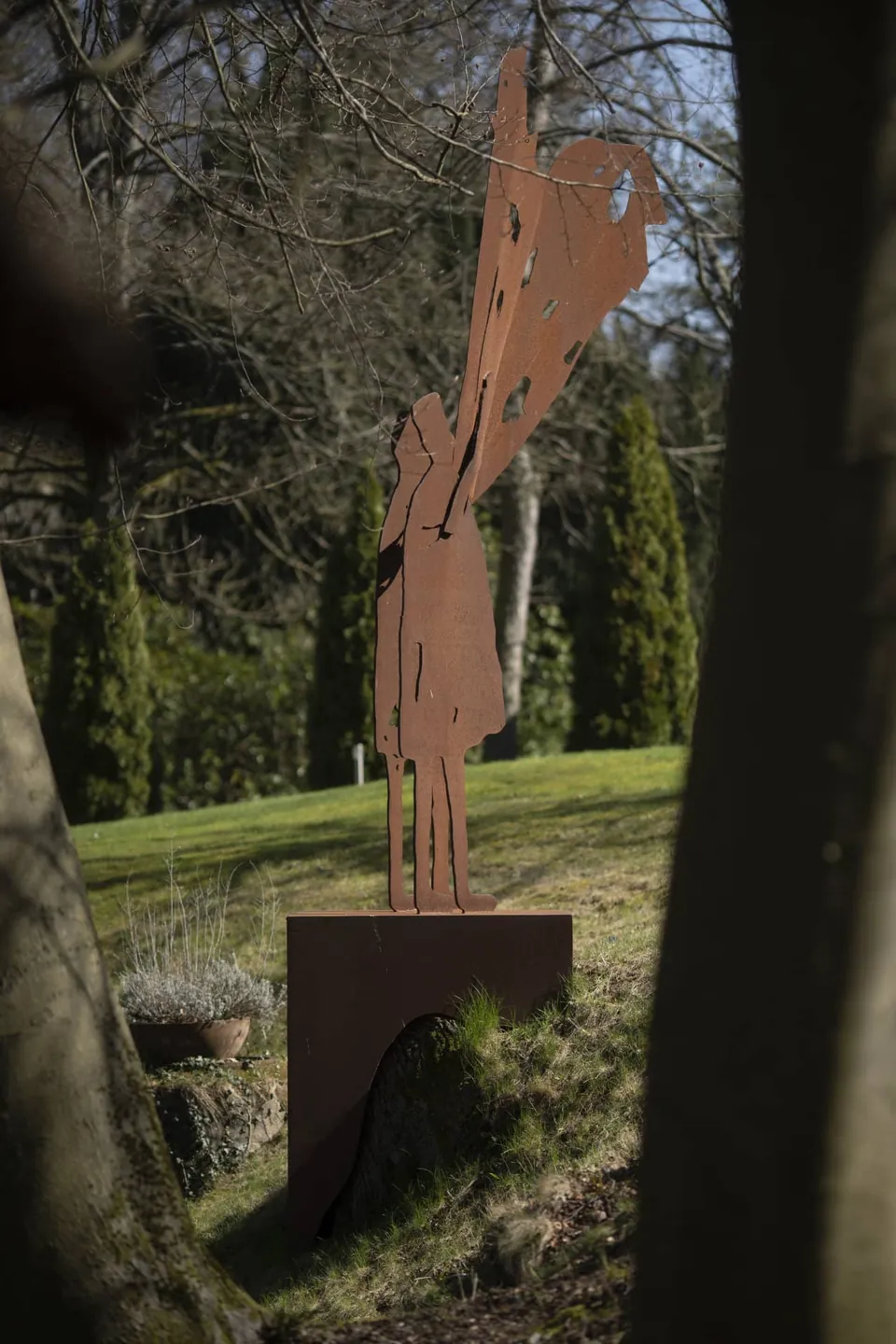
Der Zufall ist ein großer Organisator (Chance Is a Great Organiser)
His steel sculpture “Der Zufall ist ein großer Organisator” (Chance Is a Great Organiser) stands on the stump of a mighty oak in the park.
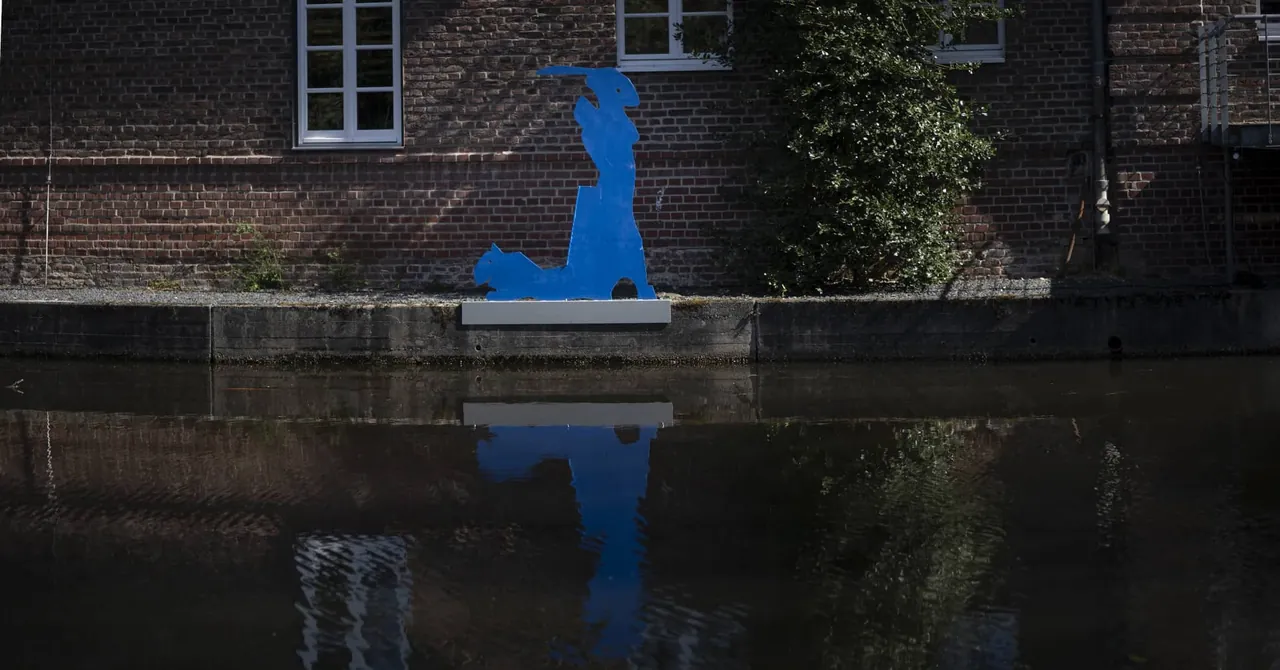
La Belle et la Bête (Beauty and the Beast)
“La Belle et la Bête” (Beauty and the Beast), cut from a steel plate and lacquered blue, right beside the moat.
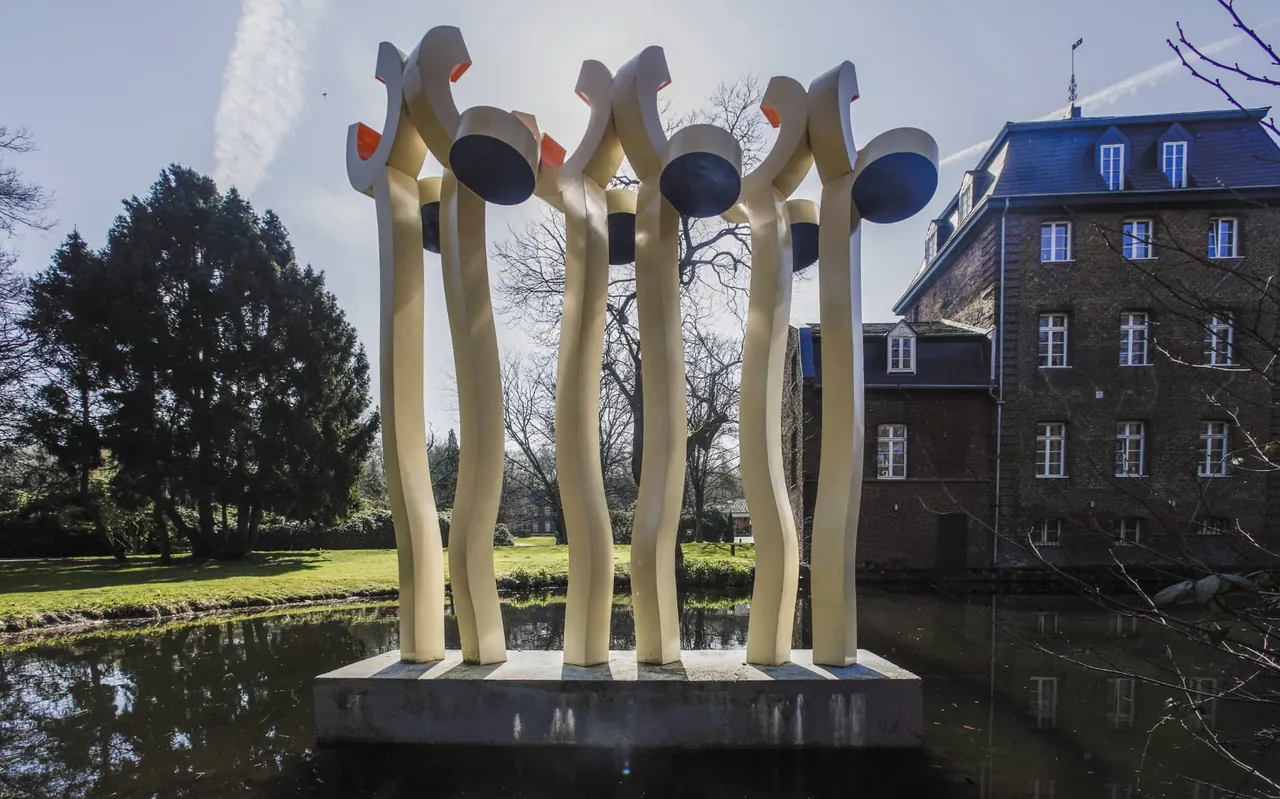
Die drei Grazien (The Three Graces)
“Die drei Grazien” (The Three Graces), made of colour-coated aluminium, are reflected in the moat.
Impressions
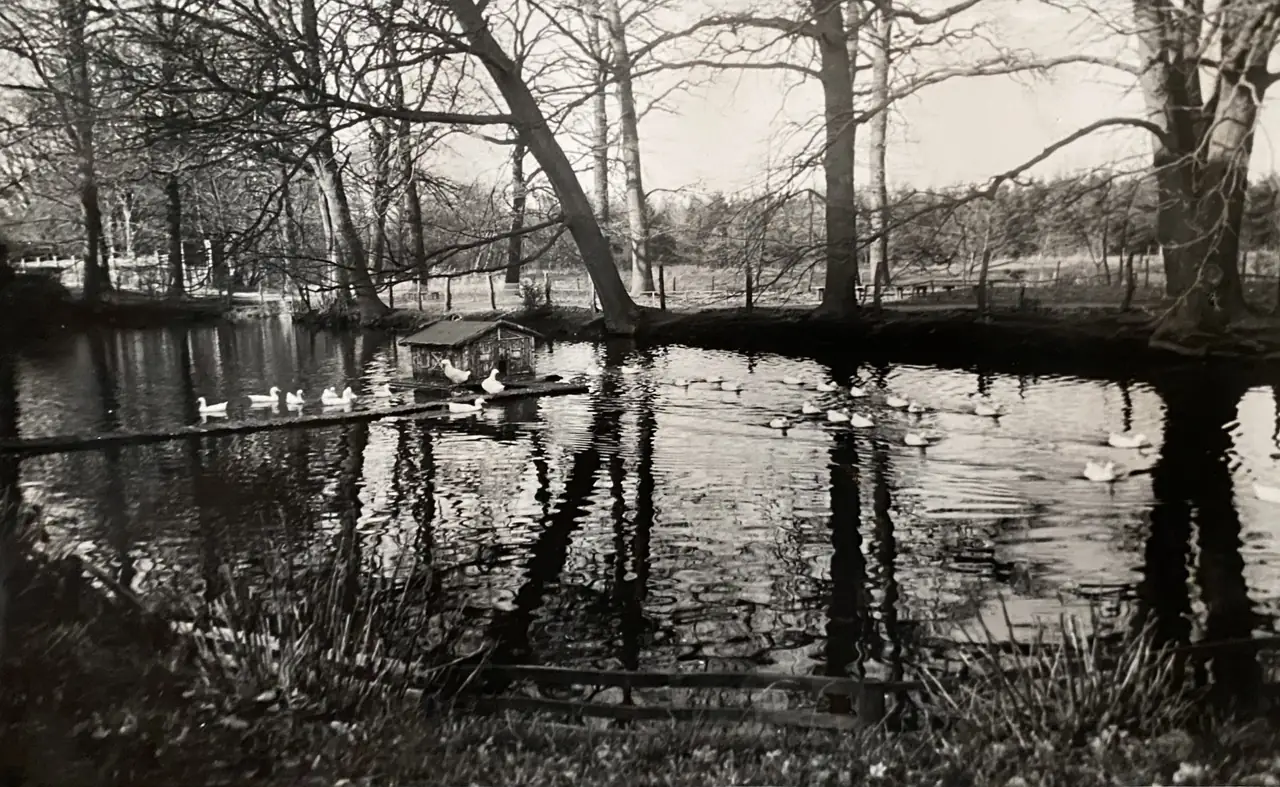
Dilborn through the ages
Aerial views of today, photographs from the last century. Tap an image to enlarge it.
With thanks
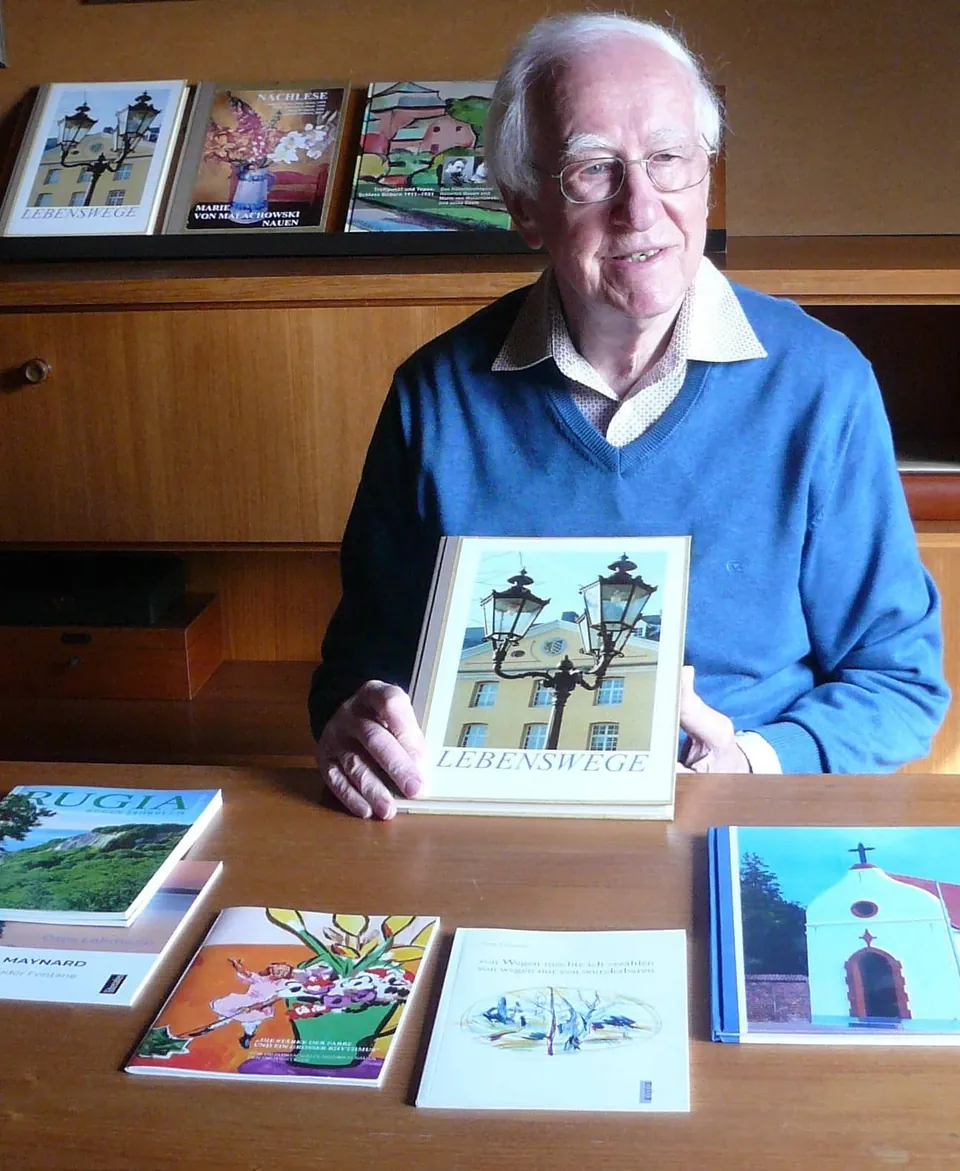
Thank you, Otto Lehmann
The family of Auguste and Franquilina Triet thanks the researcher and author Otto Lehmann for his valuable research on Marie von Malachowski and Heinrich Nauen, who lived at Wasserschloss Dilborn from 1911 to 1931.
Dilborn through the year
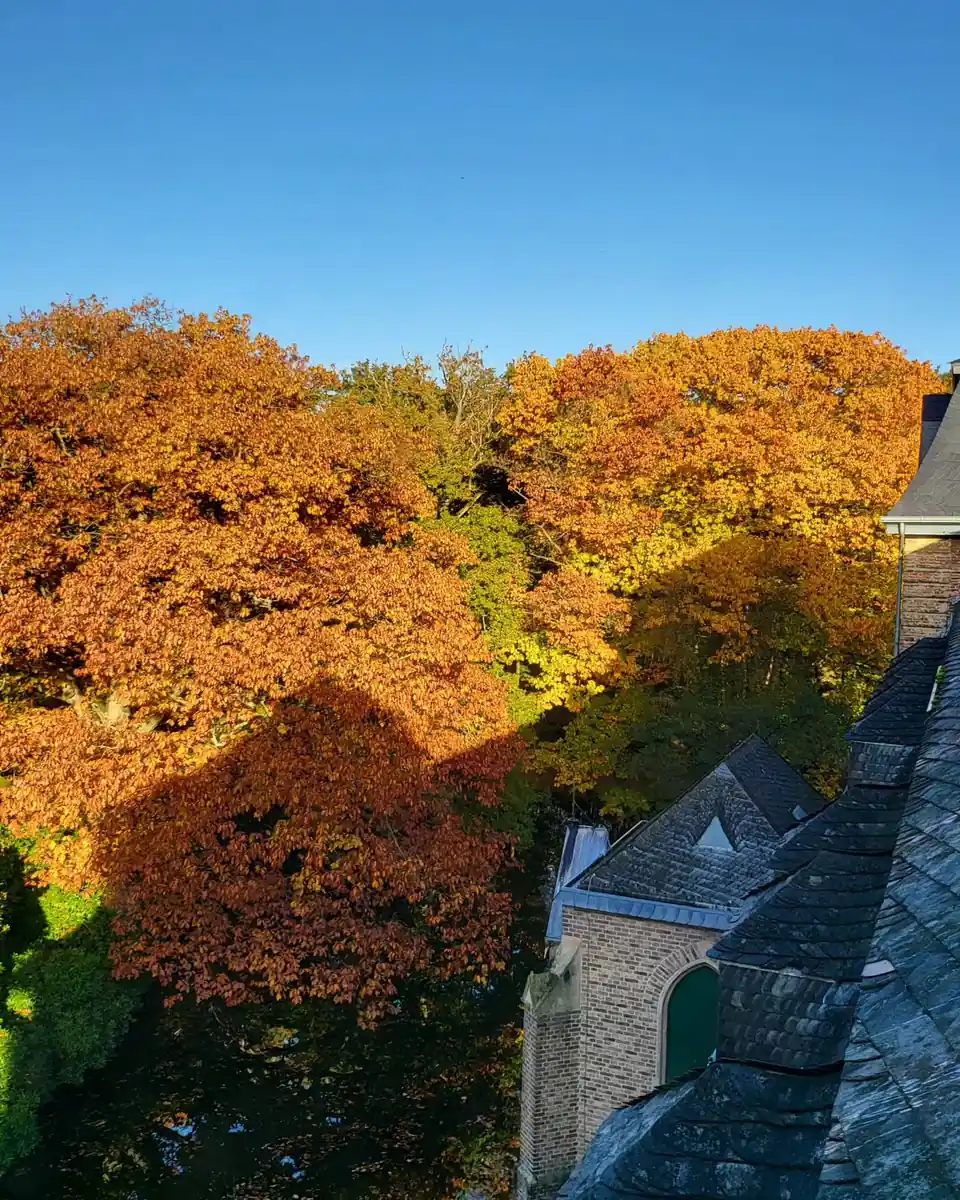
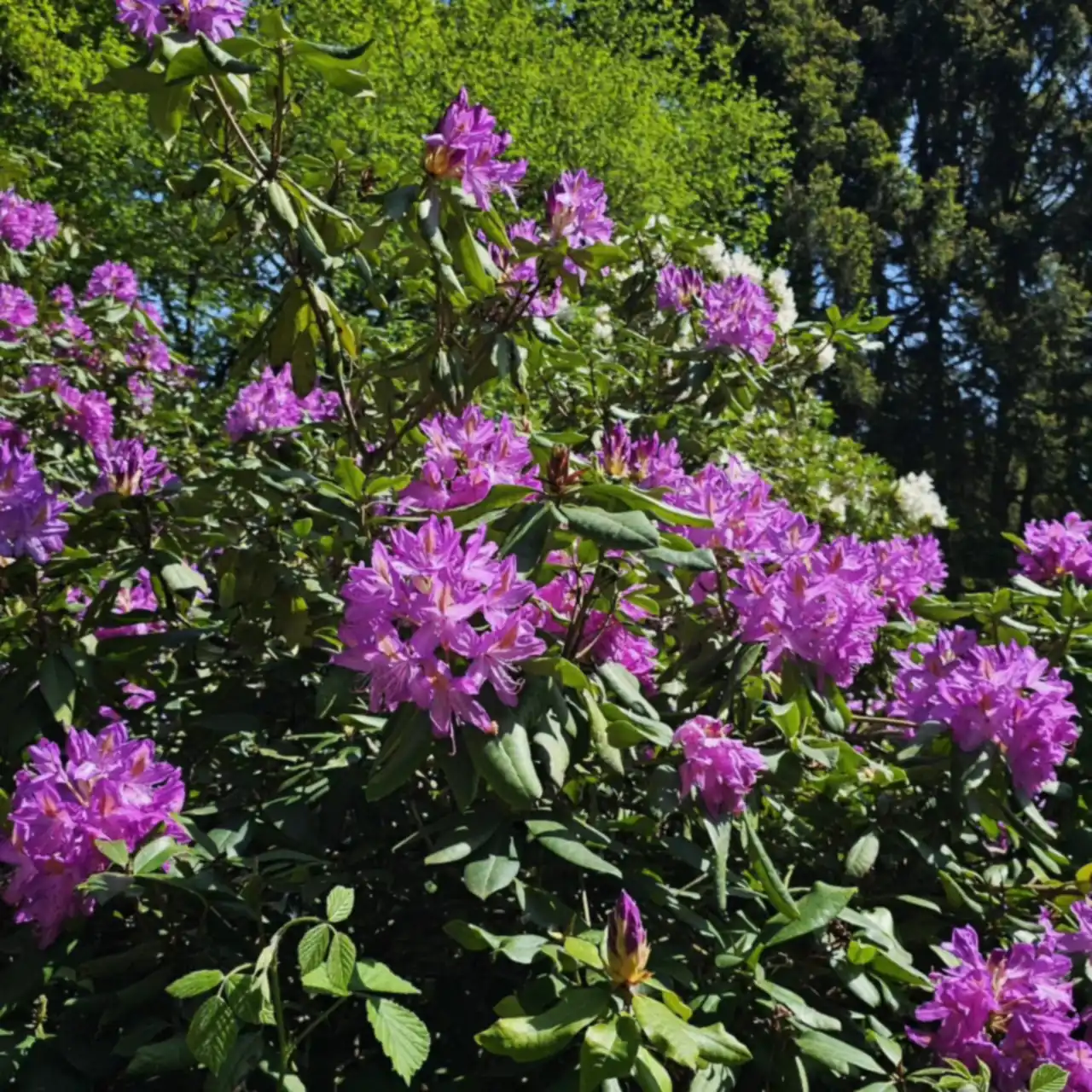
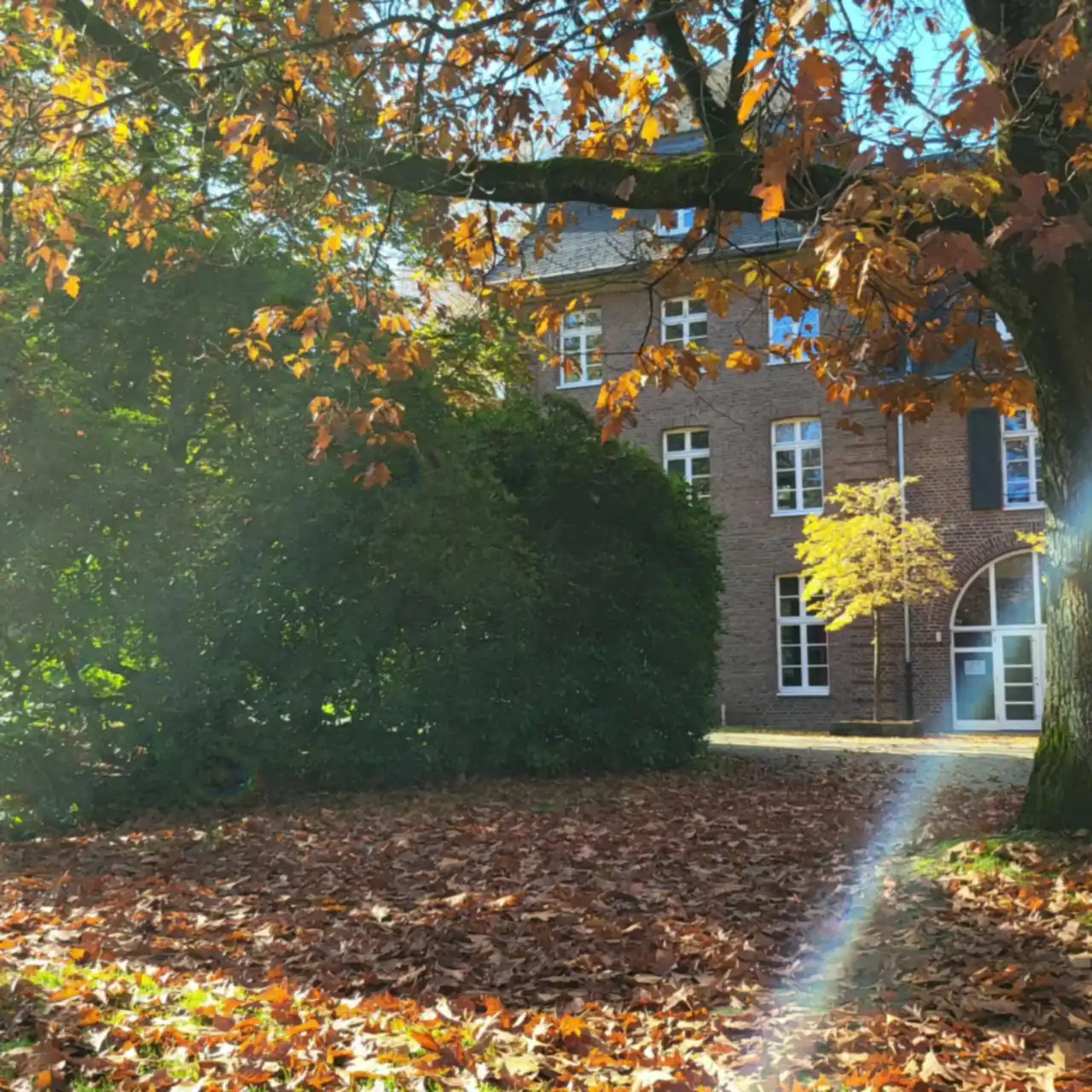
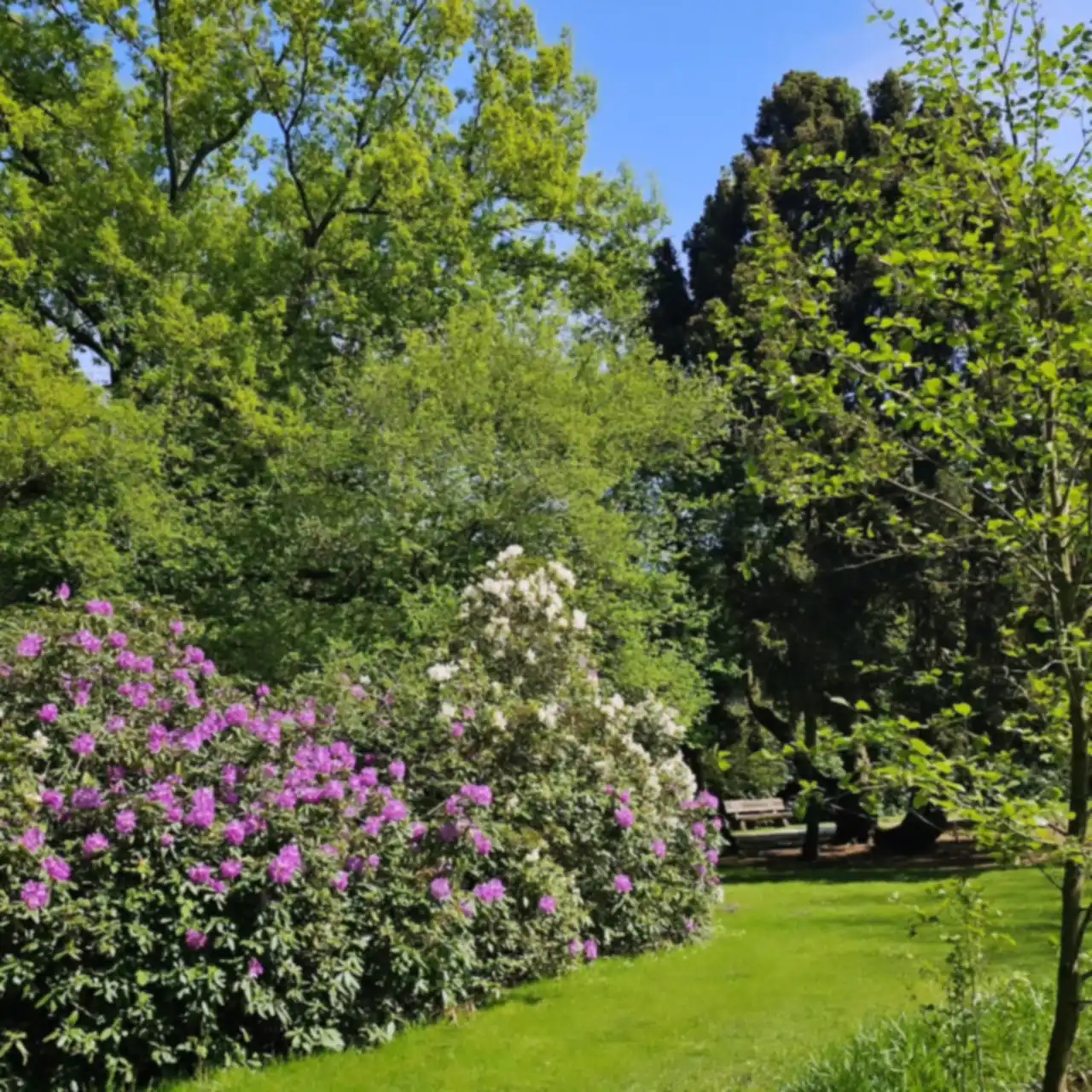
From the park, photographed on site
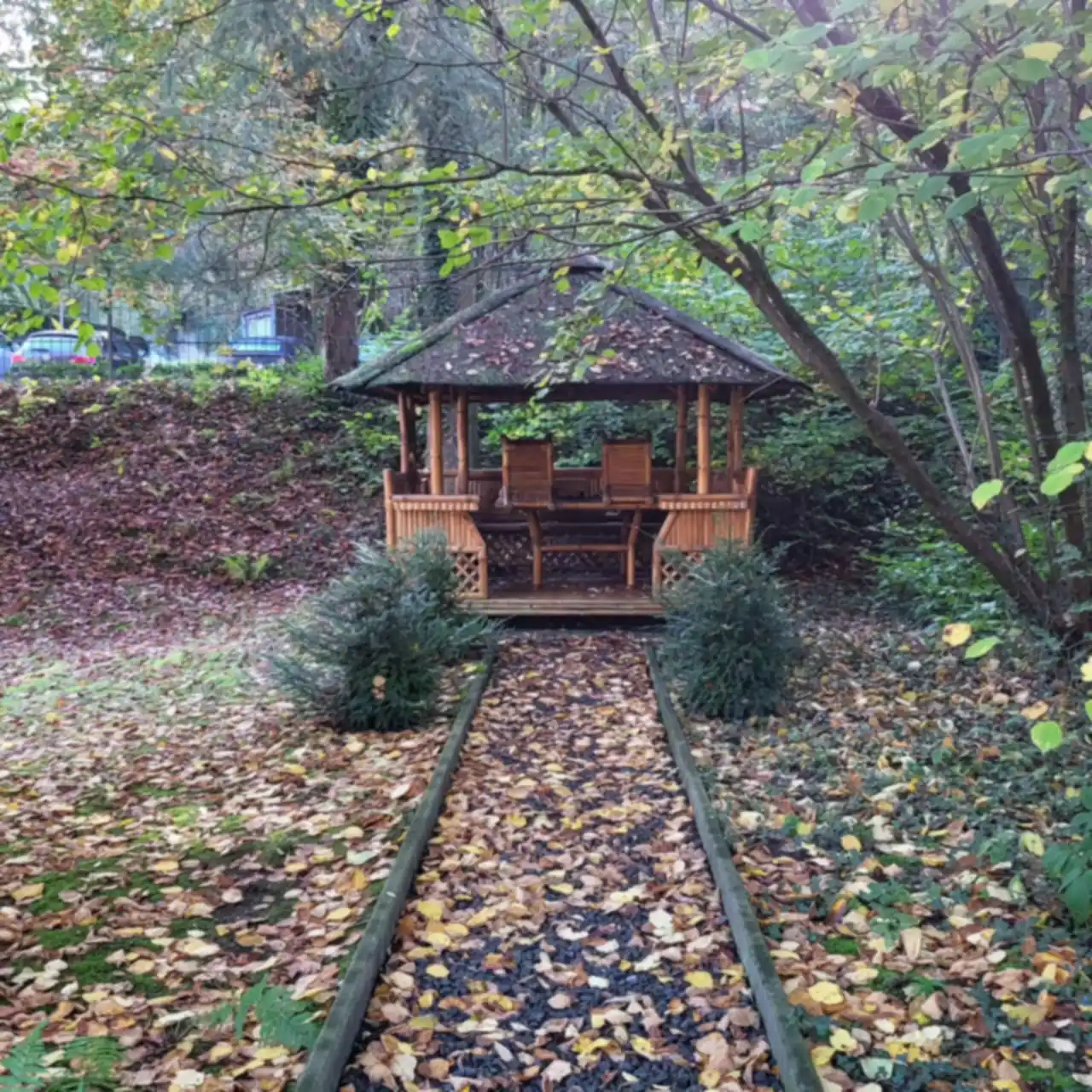
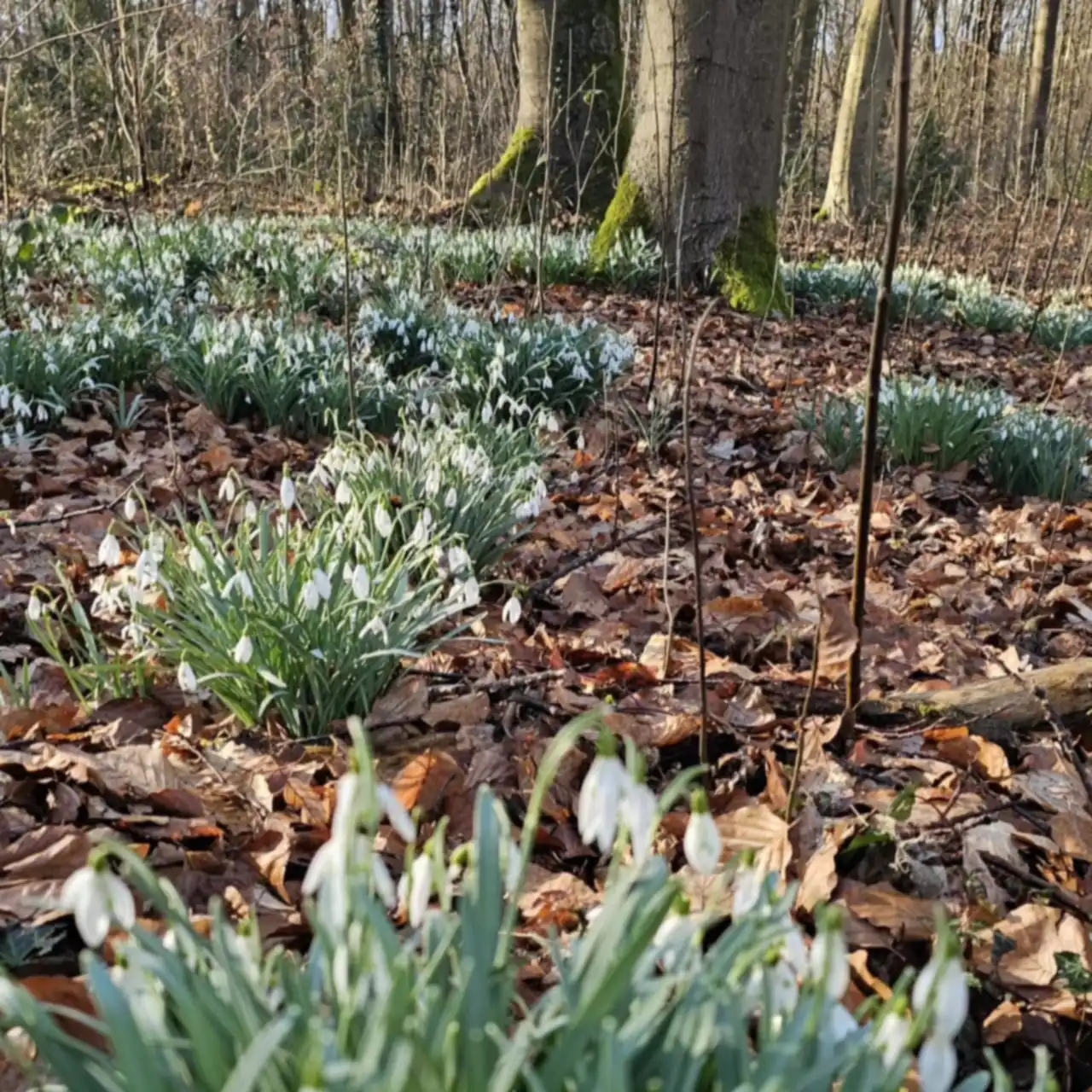
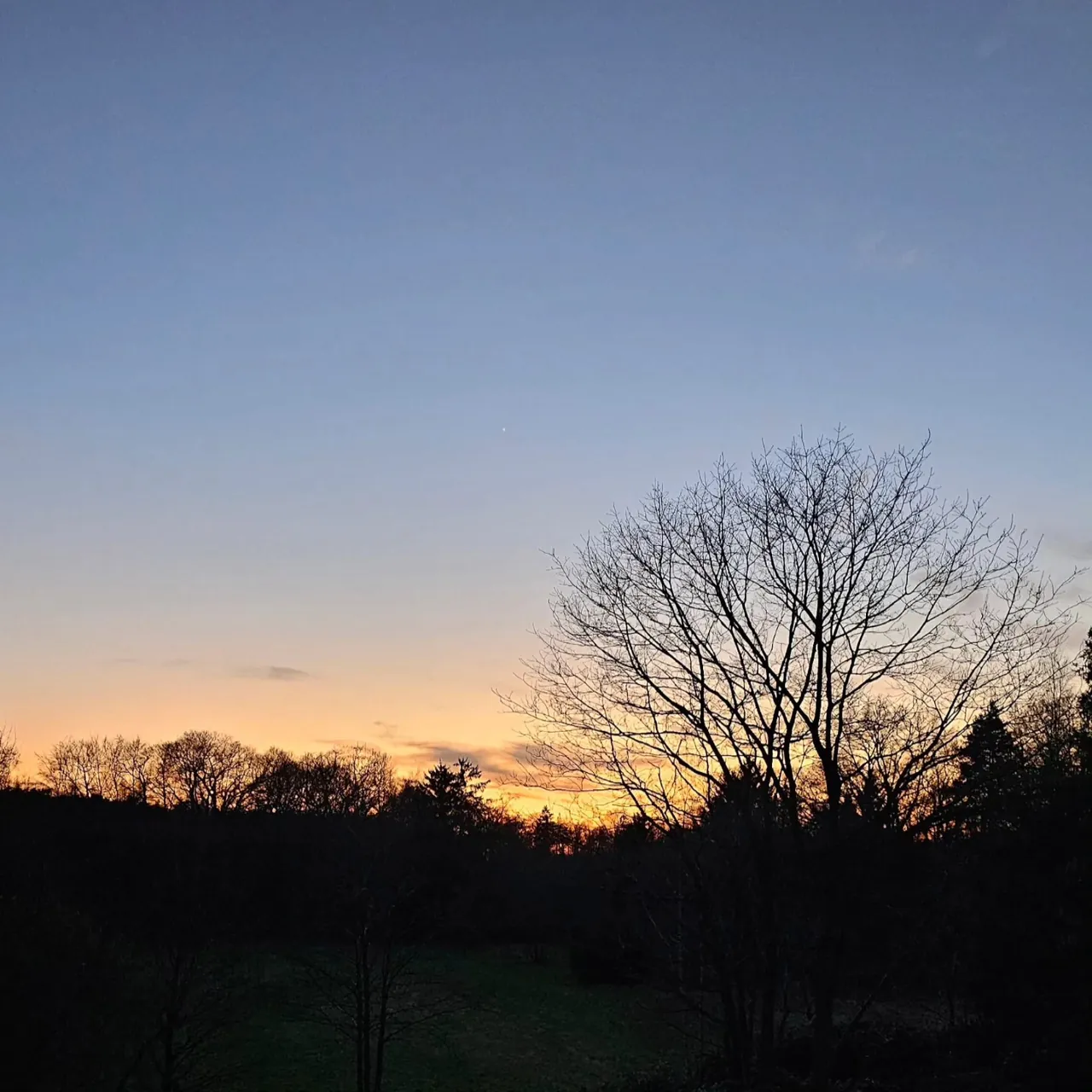
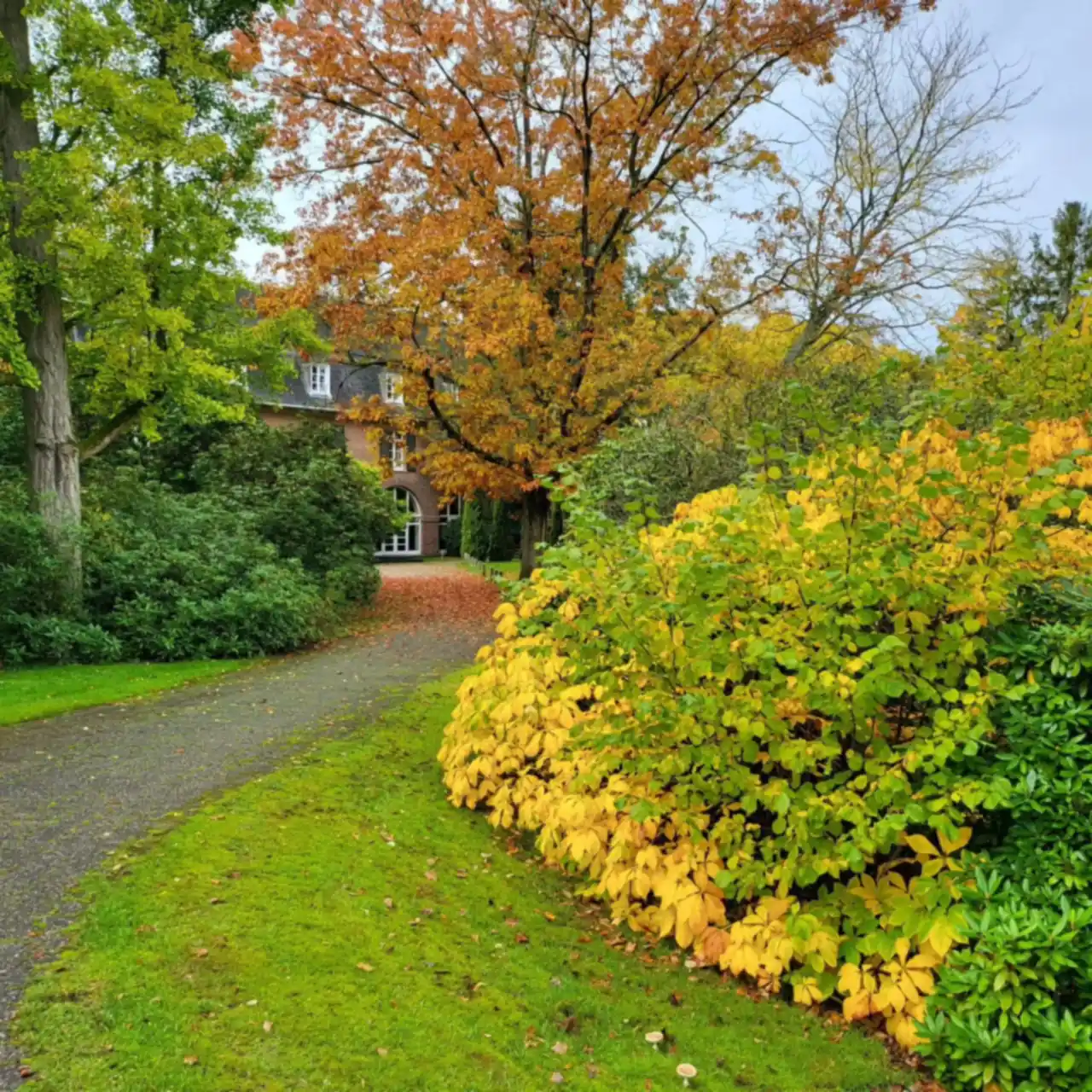
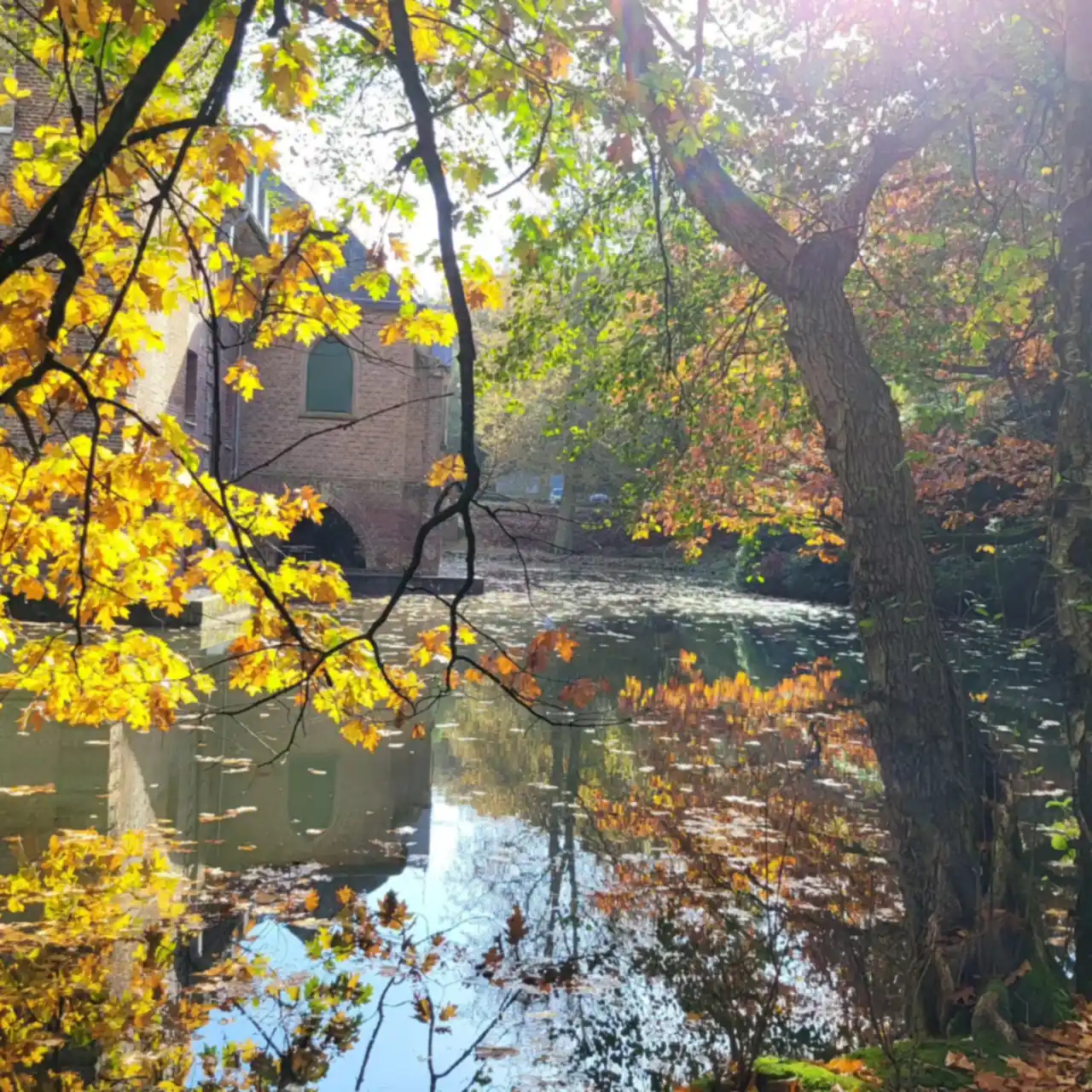
Snowdrops in February, rhododendrons in May, sunset over the moat: new pictures of the castle are posted on Instagram.
@schlossdilborn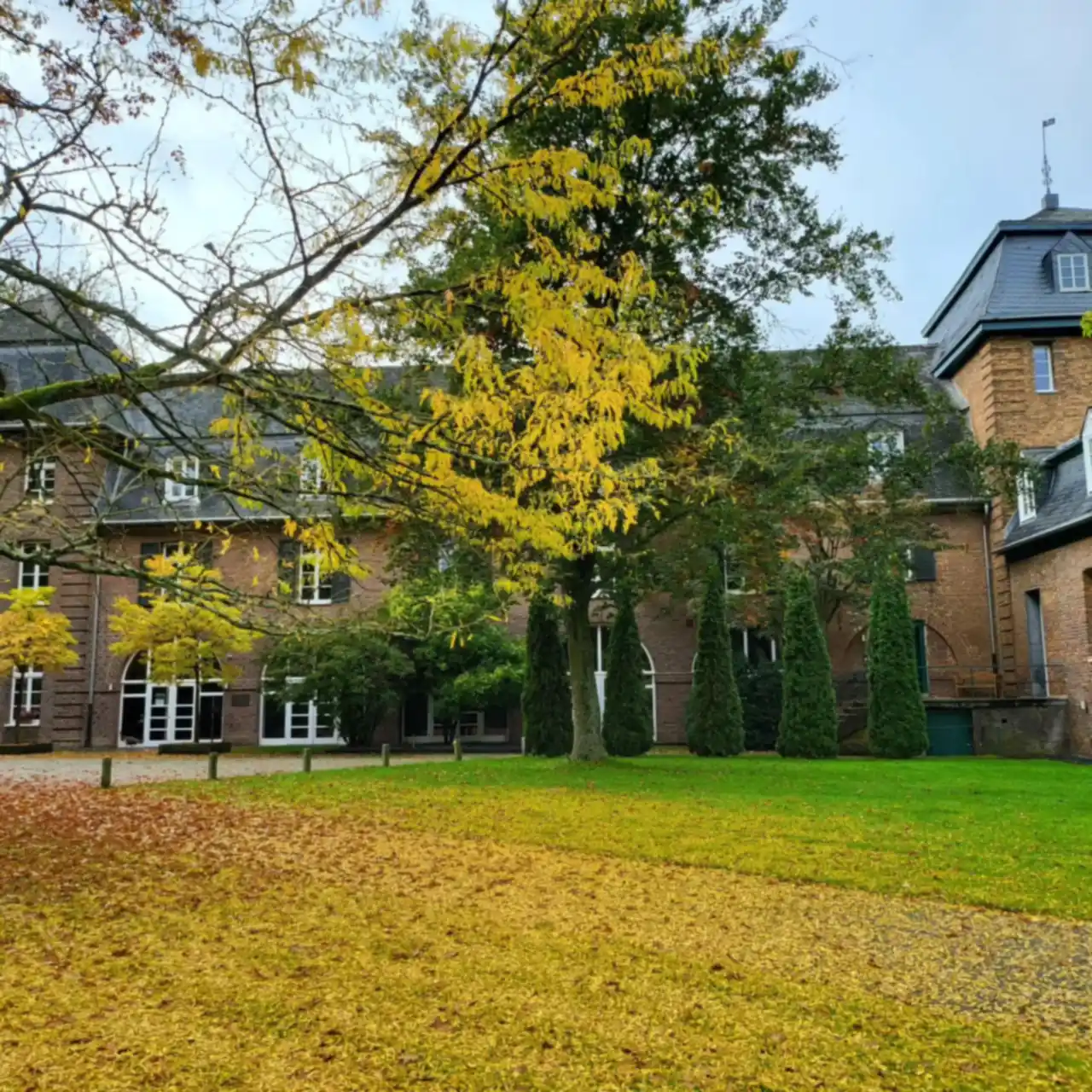
Where is Wasserschloss Dilborn?
Wasserschloss Dilborn is located at Dilborner Straße 63, 41379 Brüggen (district of Viersen) on the Lower Rhine in Germany, directly on the river Schwalm and close to the Dutch border. As the crow flies it is about 15 km to Venlo and Viersen, 19 km to Mönchengladbach and 42 km to Düsseldorf.
How old is Wasserschloss Dilborn?
Dilborn castle was first recorded in 1363, as a fief of Duke Edward of Guelders. The east wing was built in 1583 and the Neo-Gothic chapel above the moat in 1867, designed by Vinzenz Statz.
Which artists lived at Wasserschloss Dilborn?
From 1911 to 1931 the painters Heinrich Nauen and Marie von Malachowski-Nauen, leading figures of Rhenish Expressionism, lived and worked at Dilborn. Their guests included August Macke, Franz Marc and Erich Heckel. Today, sculptures by contemporary artists stand in the park.
What events can take place at Dilborn?
Wasserschloss Dilborn is a venue for weddings and outdoor ceremonies, personal ceremonies, conferences and meetings, yoga and the Full Moon Experience. Dates and details are available on request via the contact form.
Location
On the banks of the Schwalm
41379 Brüggen
Brüggen lies on the left bank of the Lower Rhine in the district of Viersen, close to the Dutch border.