
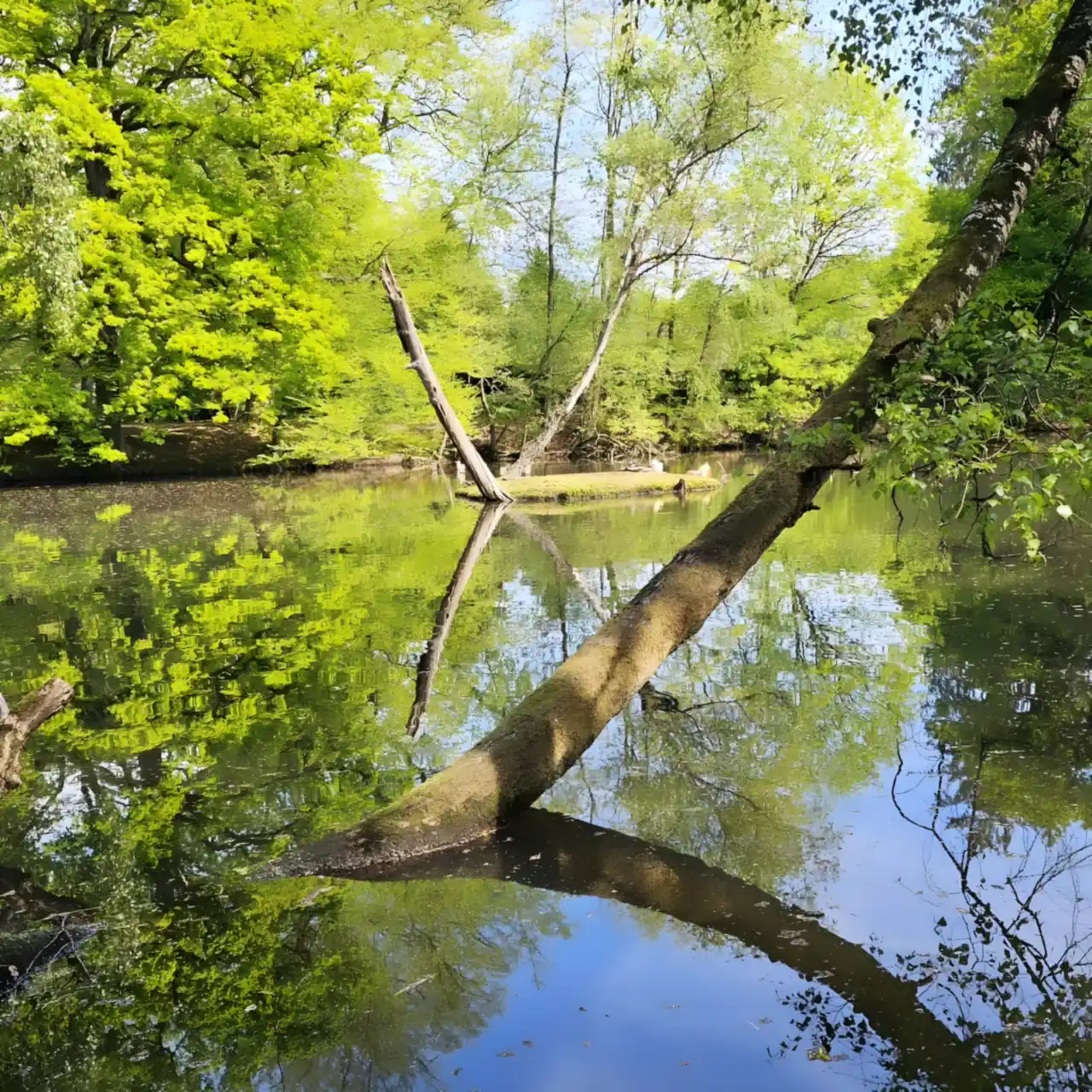
Nature · Park on the Schwalm
A habitat for many native species
Dense woodland and the surrounding waters provide ideal conditions. Almost all native animal species can be found around Wasserschloss Dilborn.
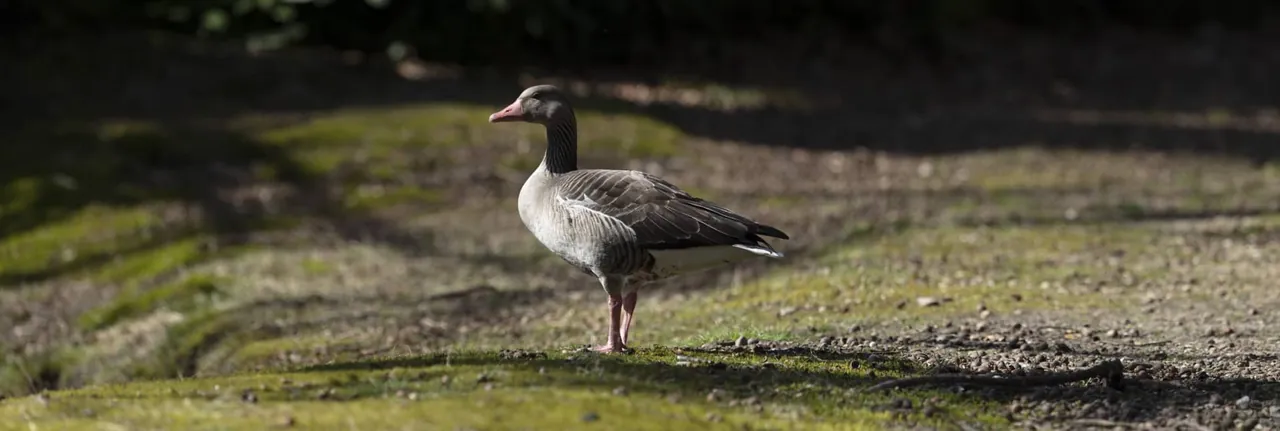
Sophie the goose
Every year in March she returns
Sophie lost her partner in 2018. Since then she has come back to Dilborn alone every year and has found new friends among the Canada geese.
In March you can watch the arrival of the Canada geese and of migratory birds from North Africa. Ducks, beavers and squirrels live in the park all year round, and foxes and wild boar drop by from time to time.
At home with us
Three you have to look out for
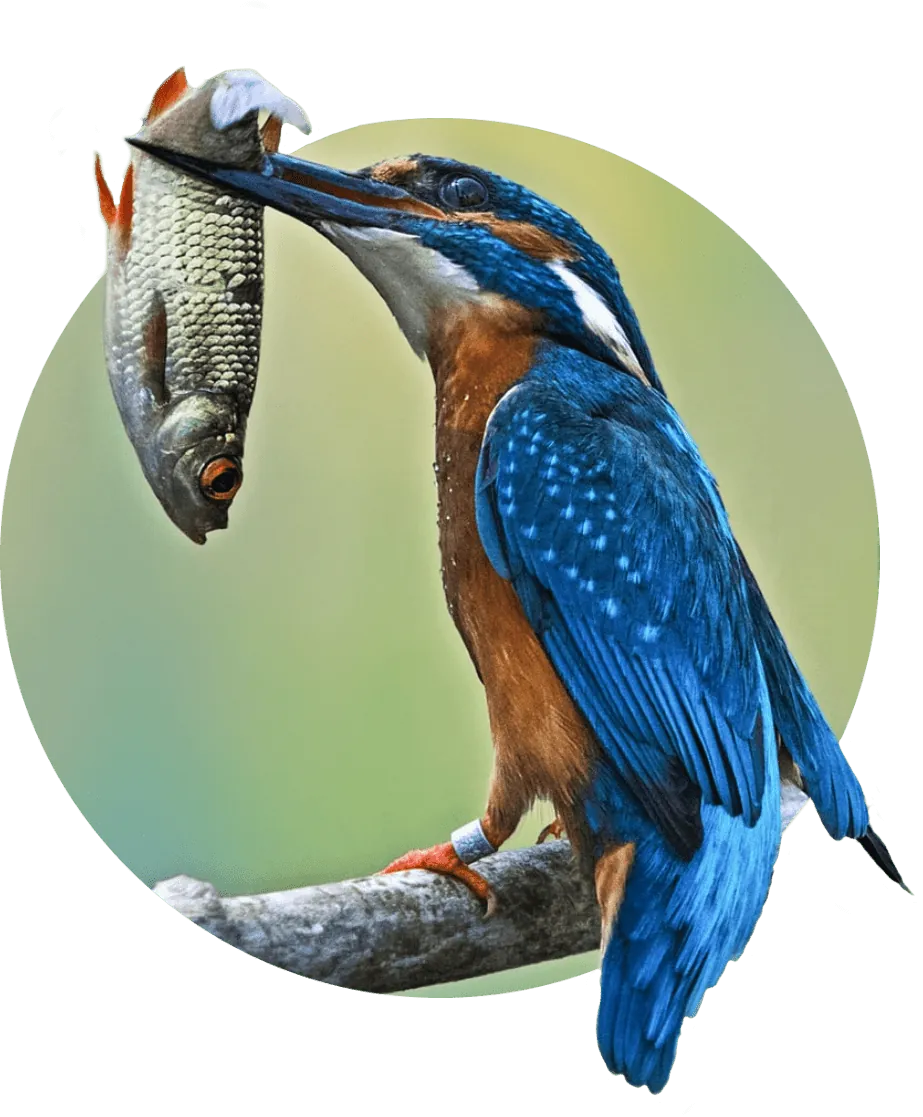
Alcedo atthis
The kingfisher
The kingfisher is the only one of its kind in Central Europe and, besides large parts of Europe, is also found in Asia and North Africa. It lives by clear, flowing or still waters, where it hunts small fish as well as aquatic insects, small crustaceans and tadpoles.
Its numbers have recovered in recent years, and in Europe the species is currently considered to be of least concern.
Find out more (Wikipedia)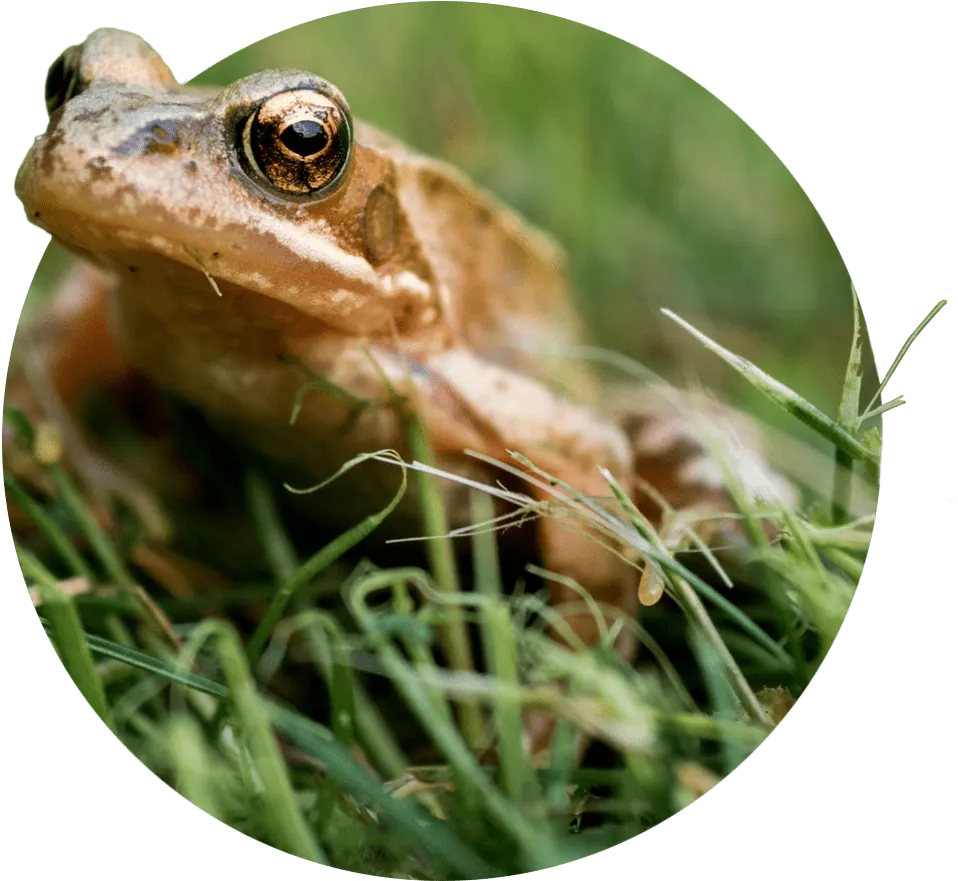
Rana temporaria
The common frog
The common frog belongs to the true frogs and was once also known in German as the “dew frog” or “March frog”. In 2018 it was named Amphibian of the Year in Germany.
Most grow to seven to nine centimetres in length, and their upper side is yellowish, reddish or dark brown.
Find out more (Wikipedia)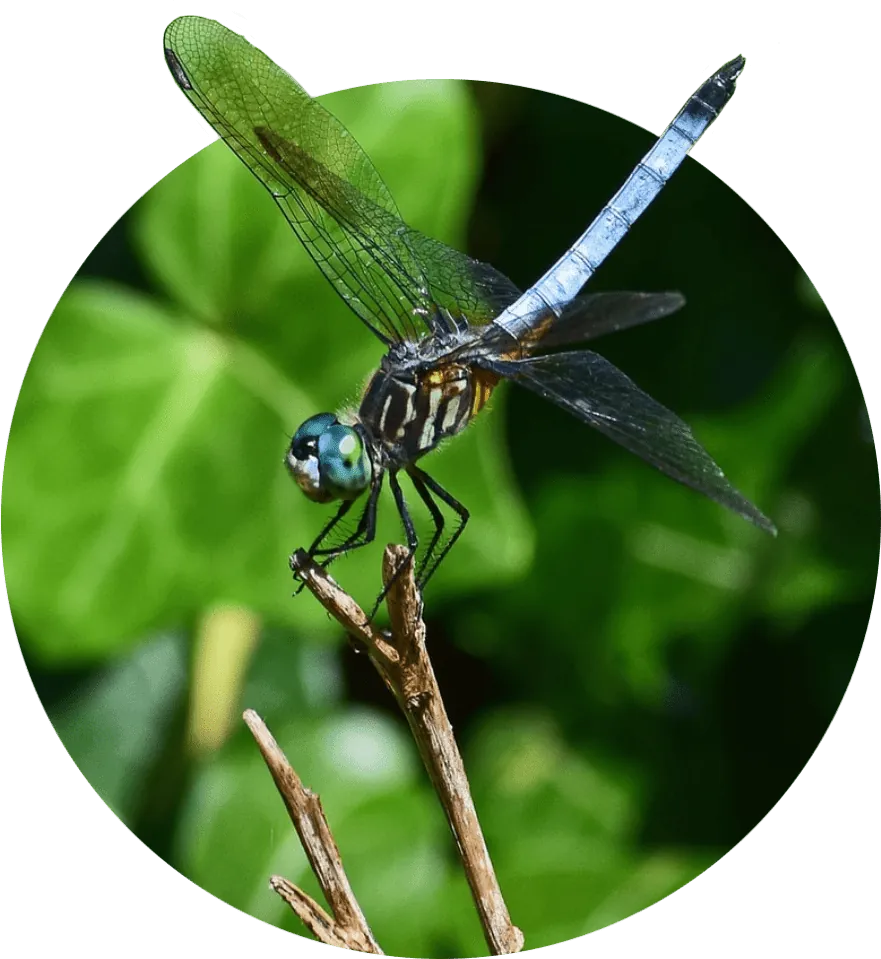
Anisoptera
The dragonfly
Dragonflies are a suborder of the Odonata, with around 2,800 species worldwide in eleven families.
They are usually larger and more robust than damselflies and have large compound eyes which, in many species, meet in the middle of the head.
Find out more (Wikipedia)Through the year
Every season has its own Dilborn
The park changes throughout the year. These are the moods that await you.
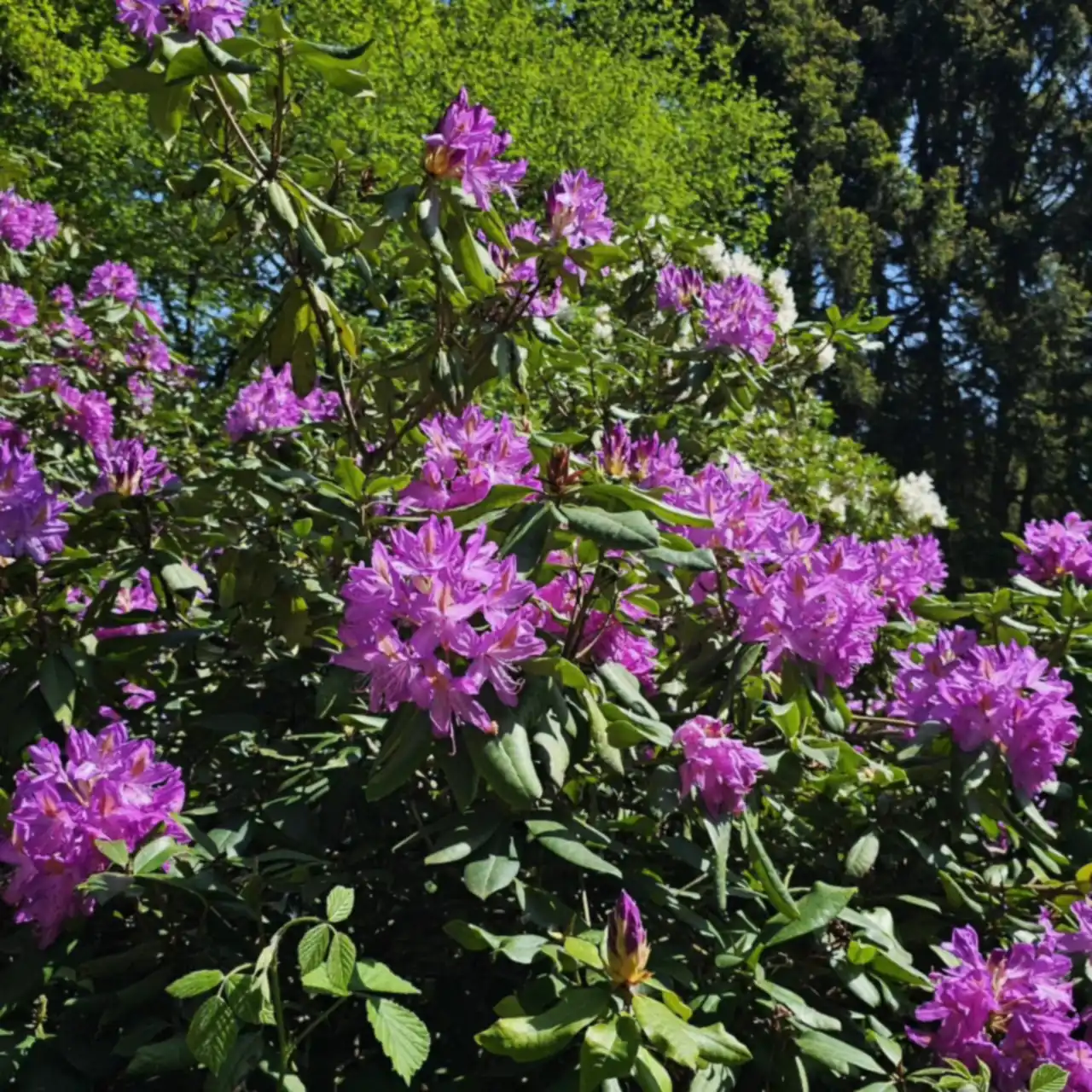
Spring
The rhododendrons bloom in violet and white, the leaves are fresh and bright.
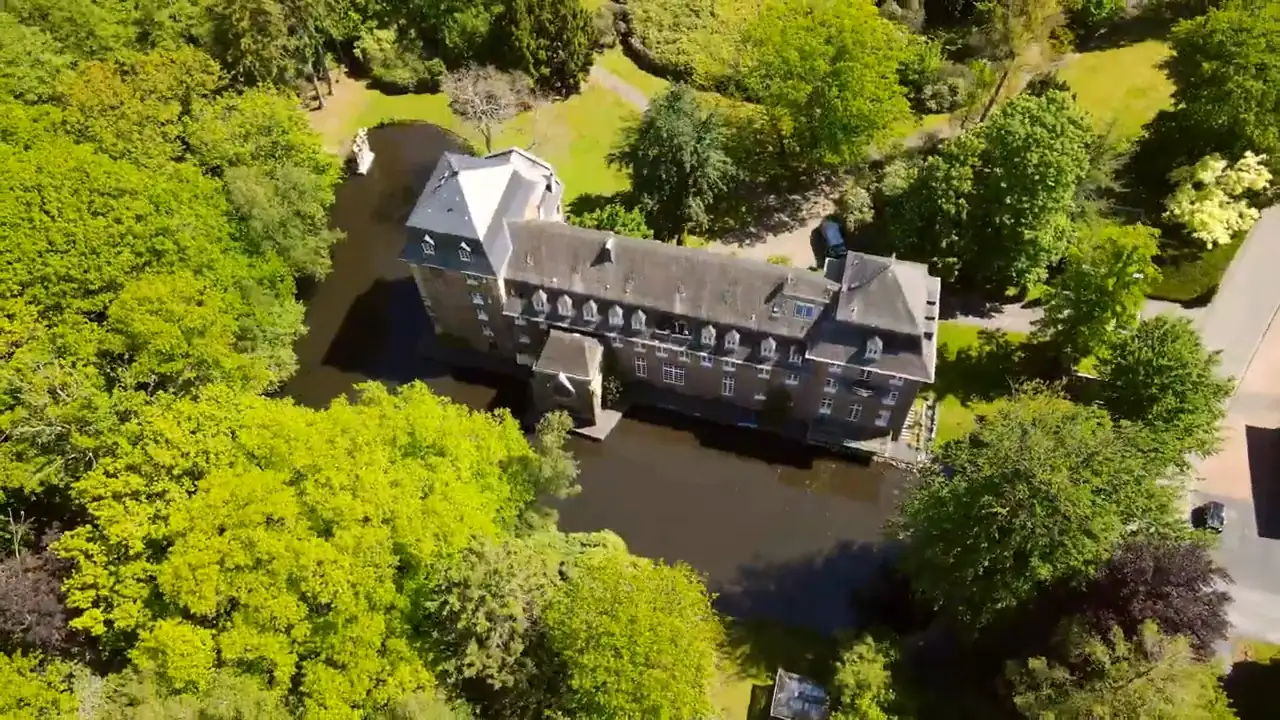
Summer
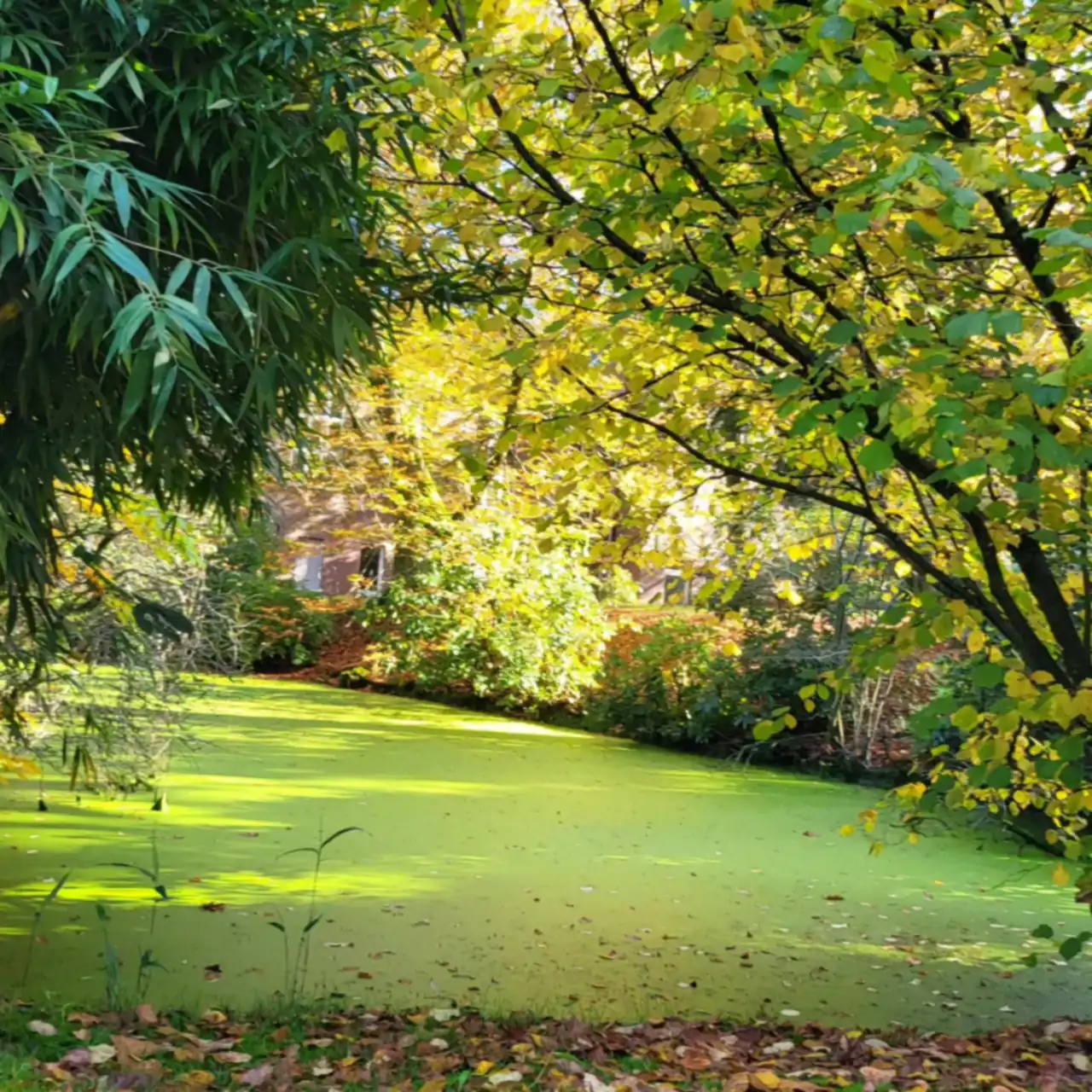
Long evenings, lush green and warm light on the moat.
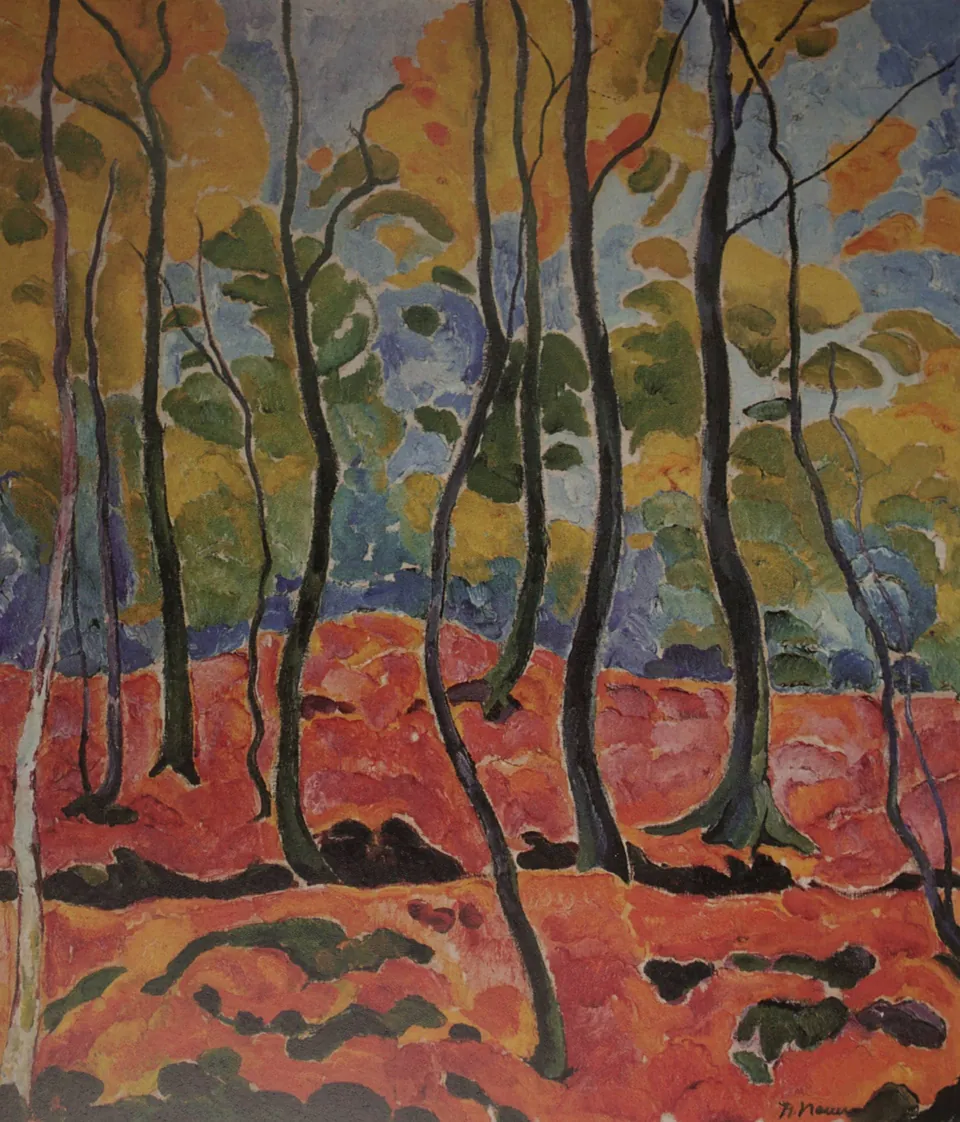
Autumn
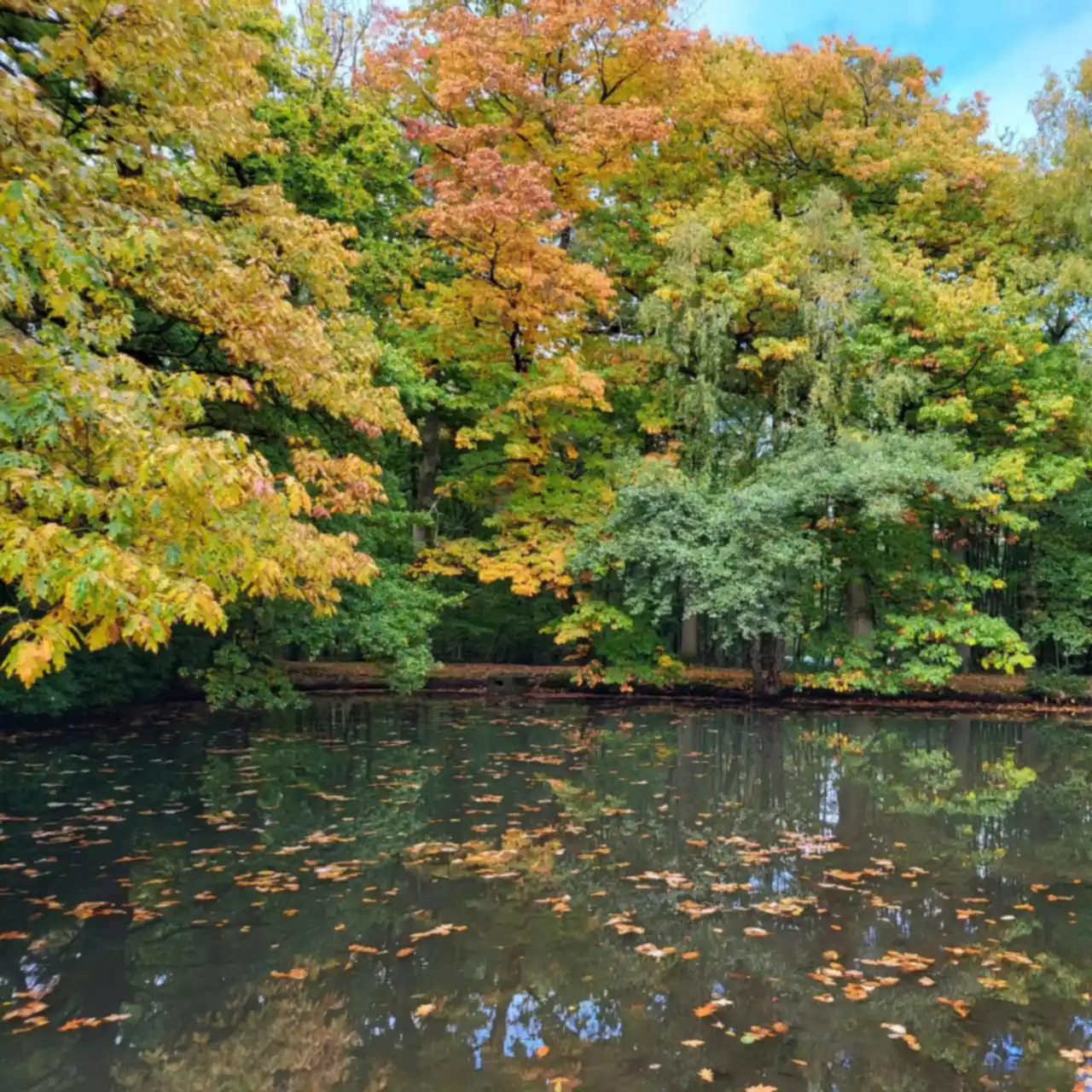
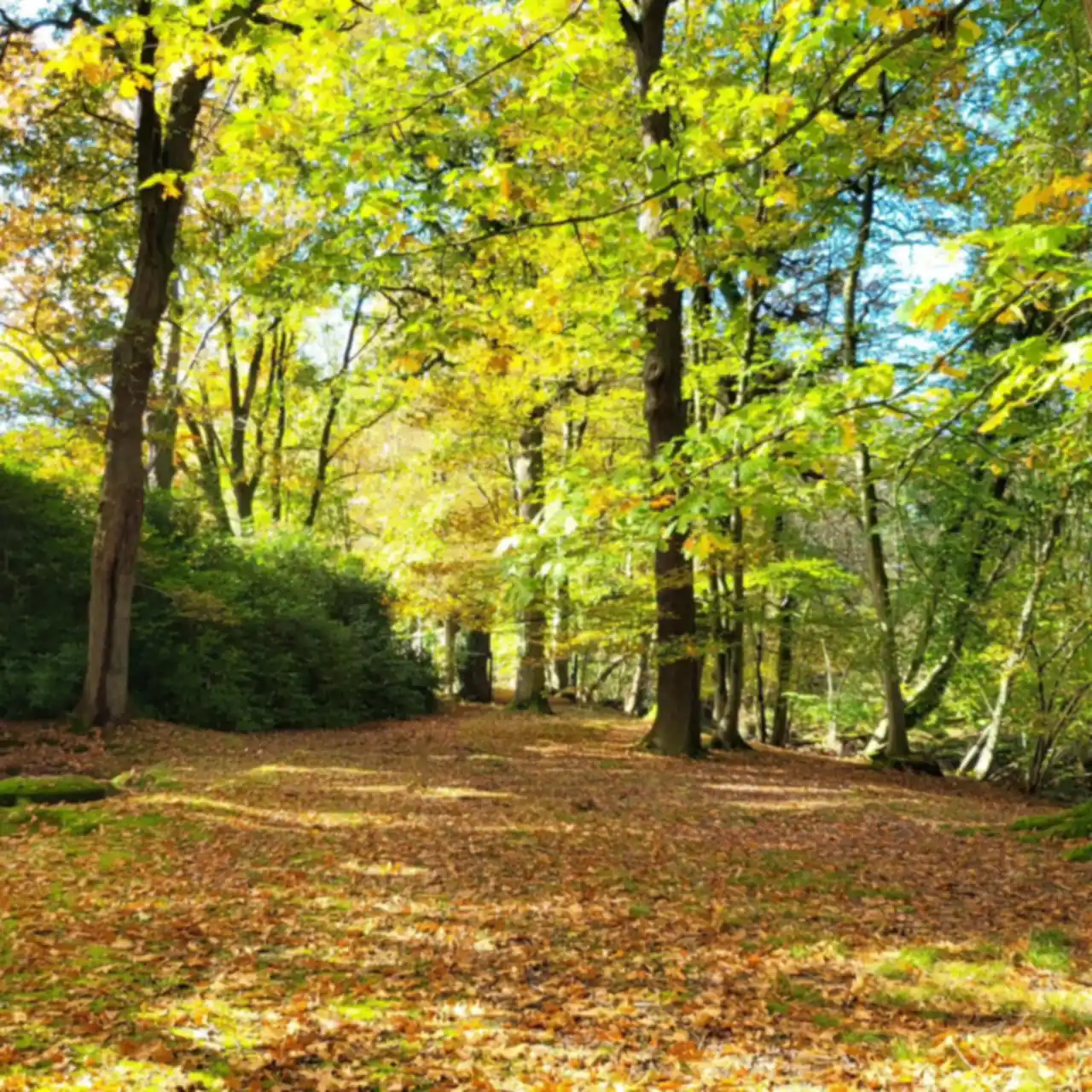
The beech forest glows, just as Heinrich Nauen painted it around 1911.
Winter
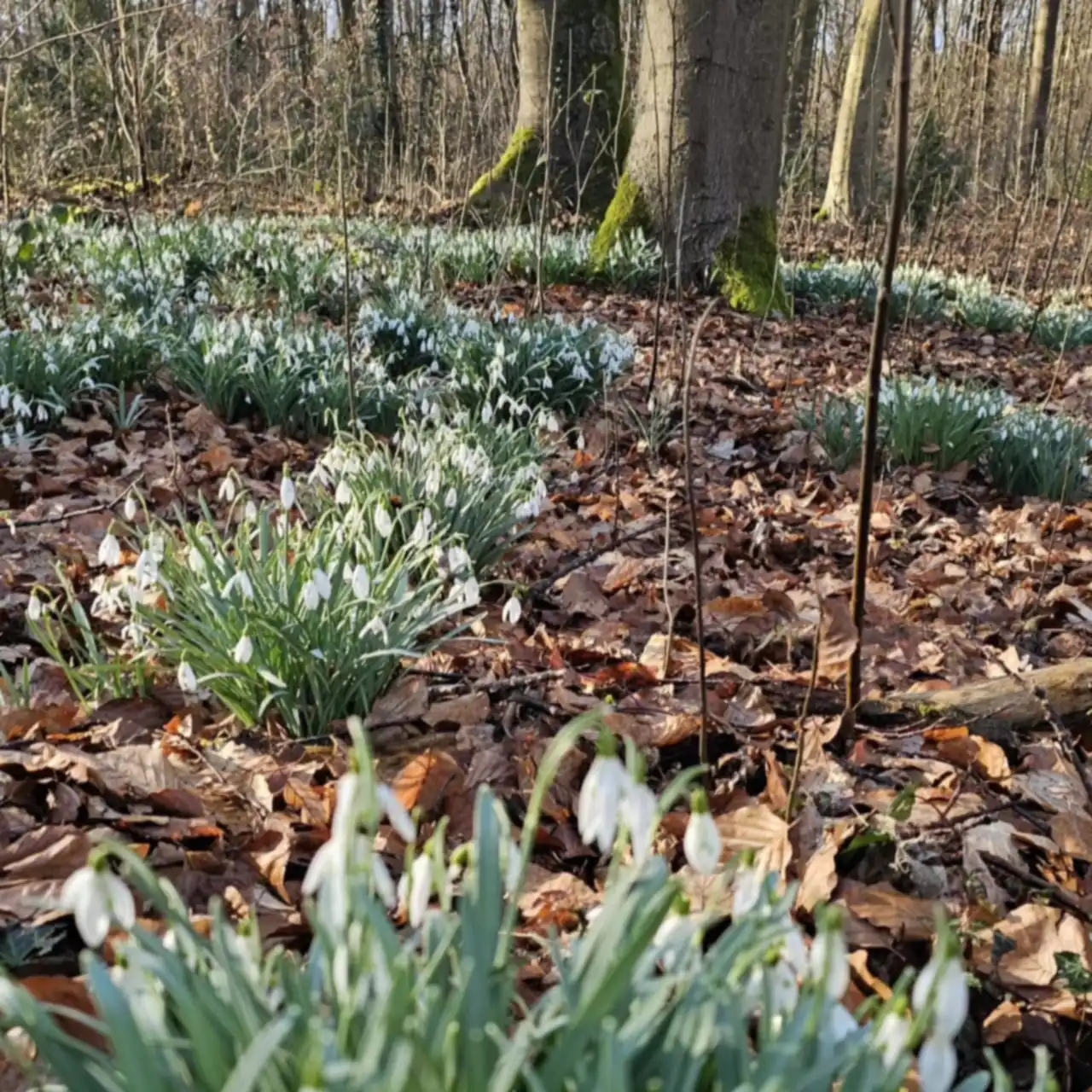
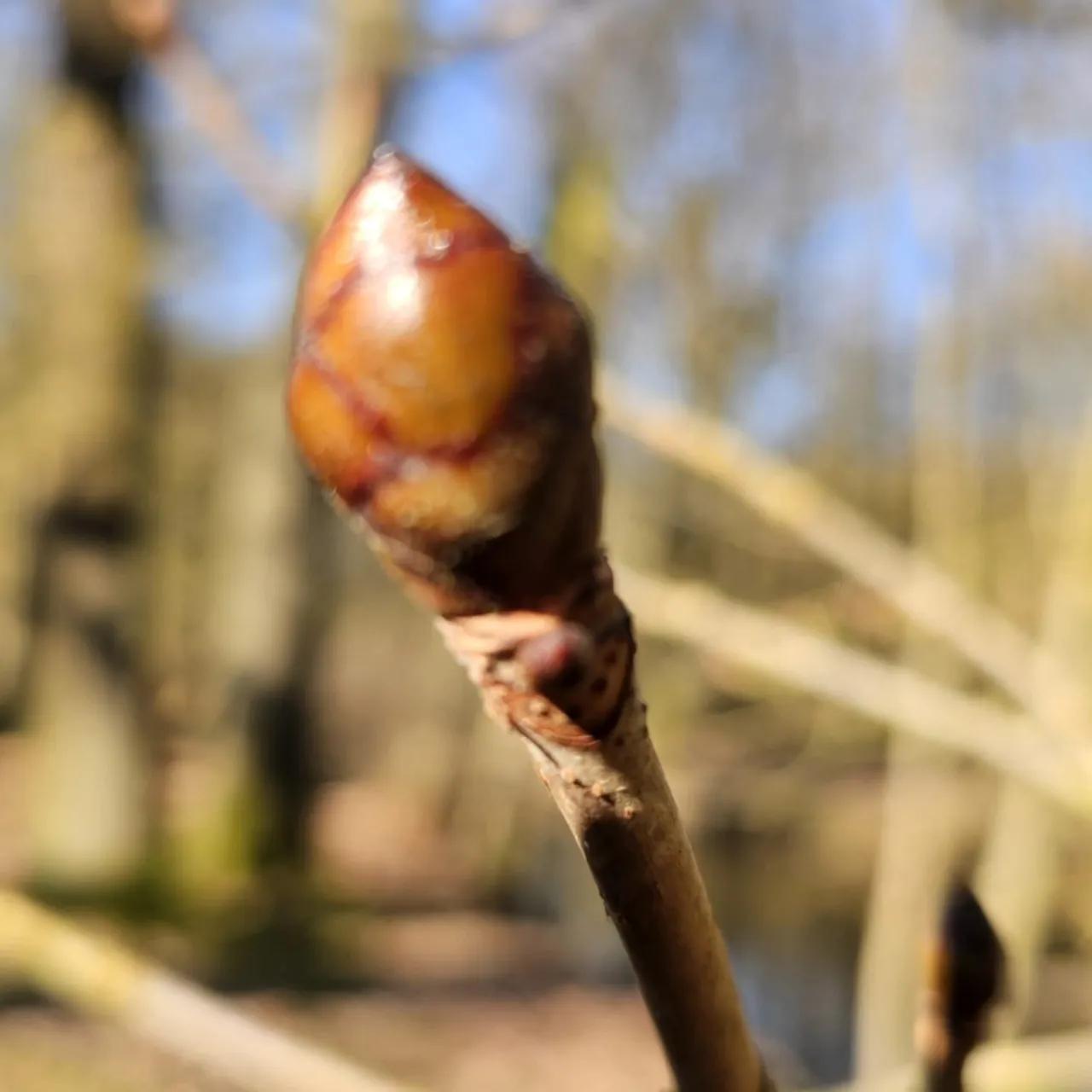
Clear air, quiet paths and the first snowdrops in February.
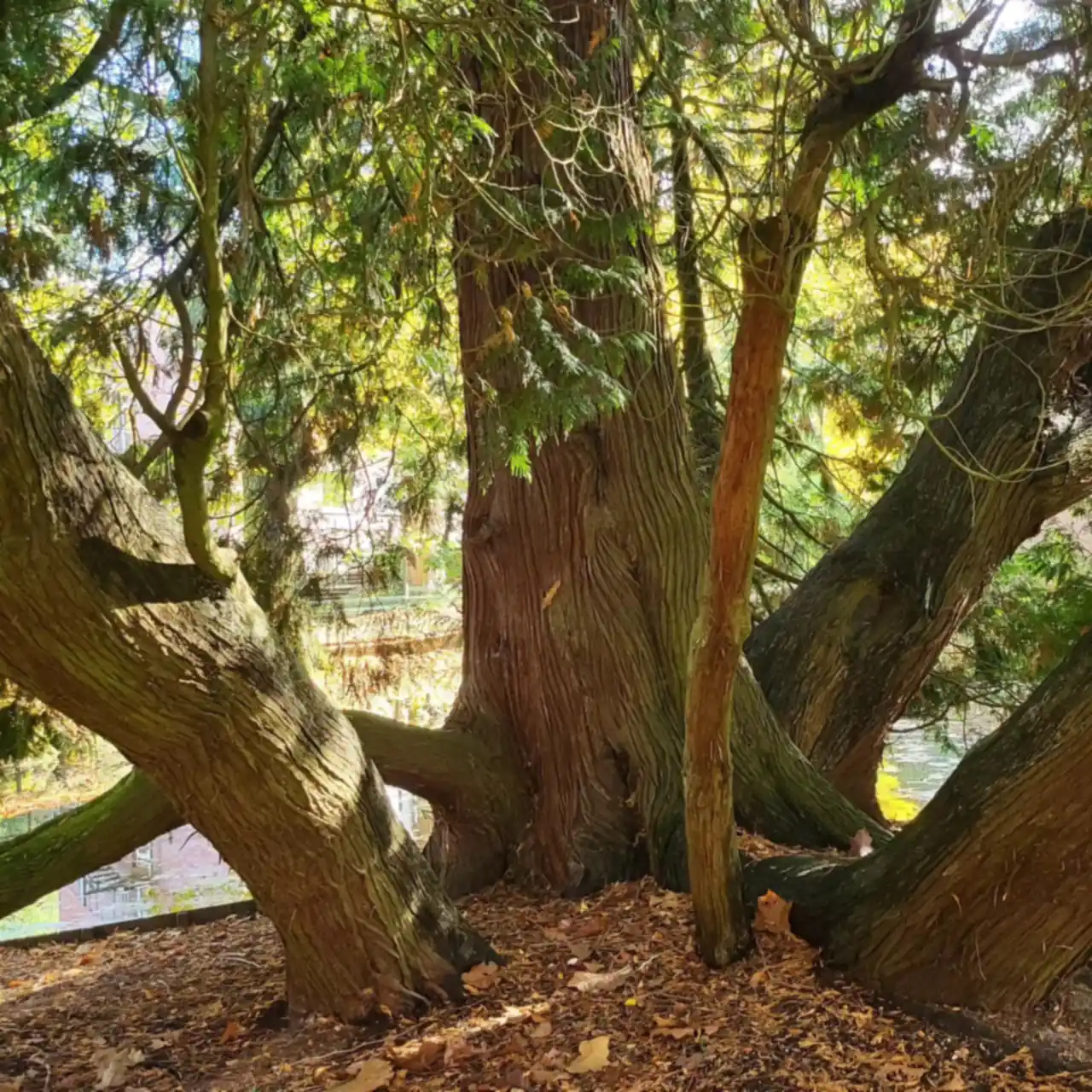
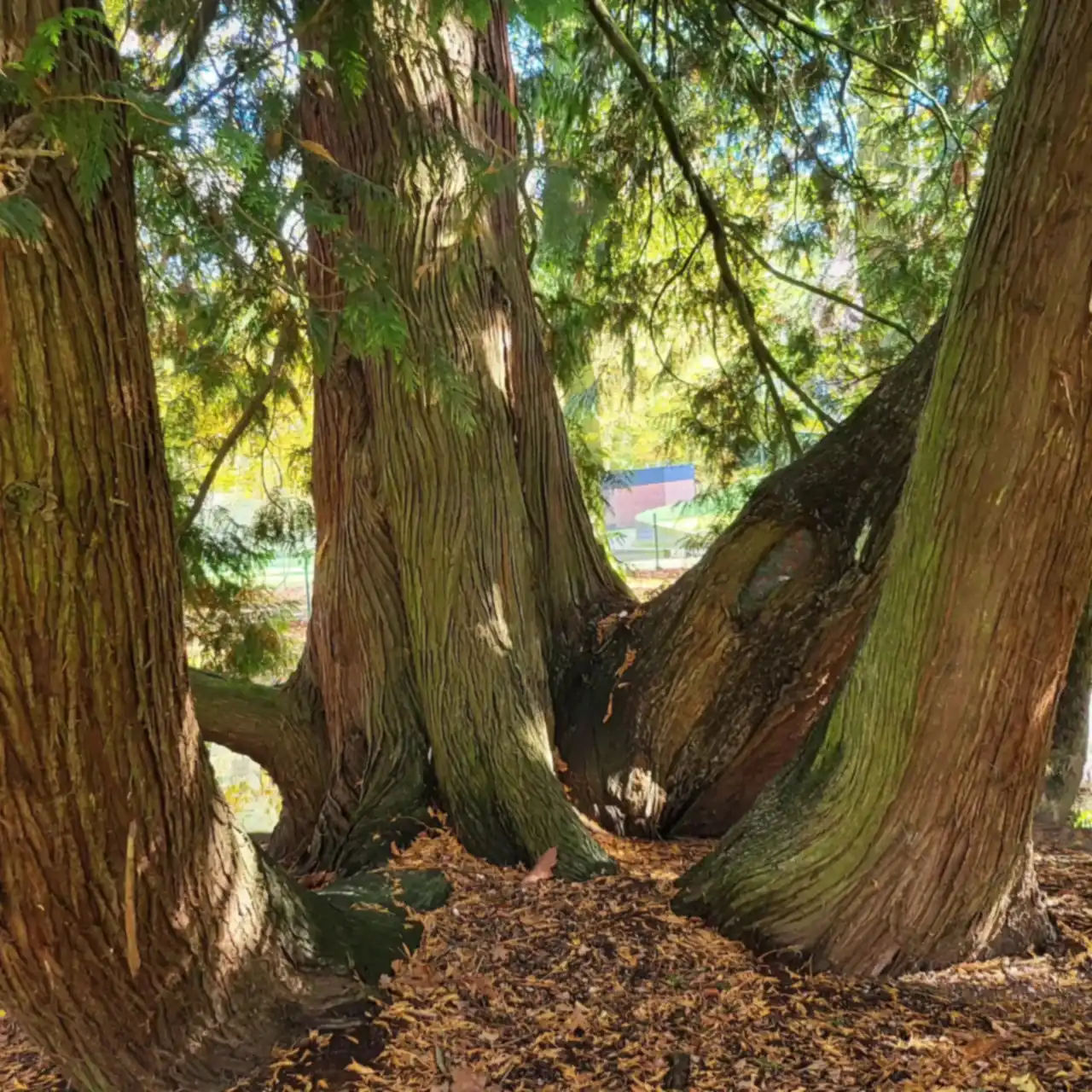
Centuries-old trees, some from distant regions, have been protected and preserved.
The park at Wasserschloss Dilborn
More animals in the park
Neighbours with fur, feathers and fins
From the red squirrel to the golden carp: a selection of the species that live around the castle or come to visit.
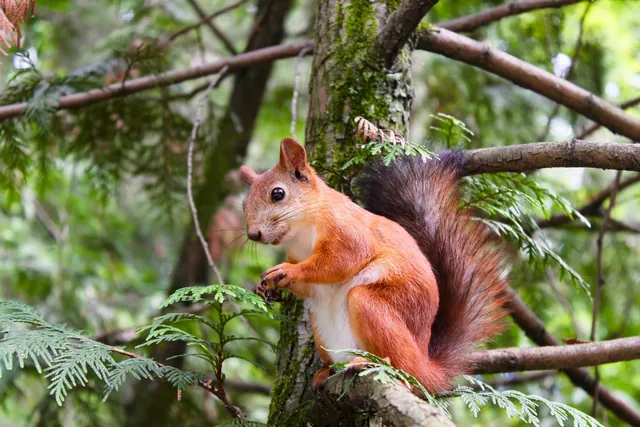
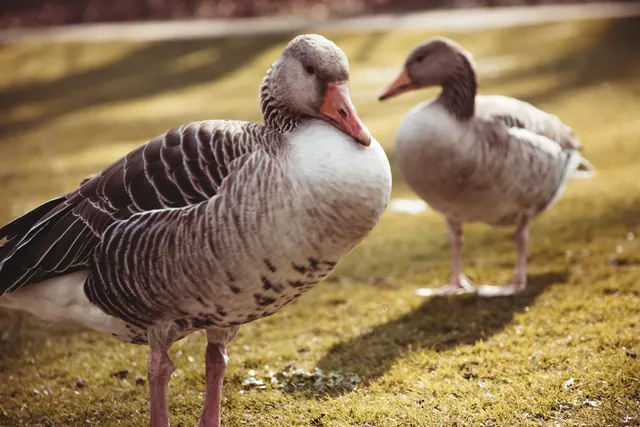
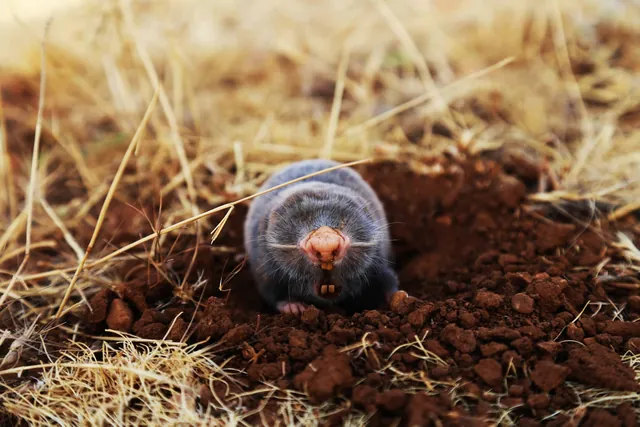
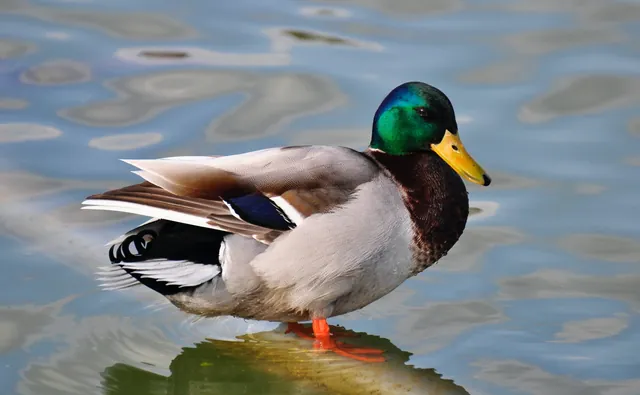
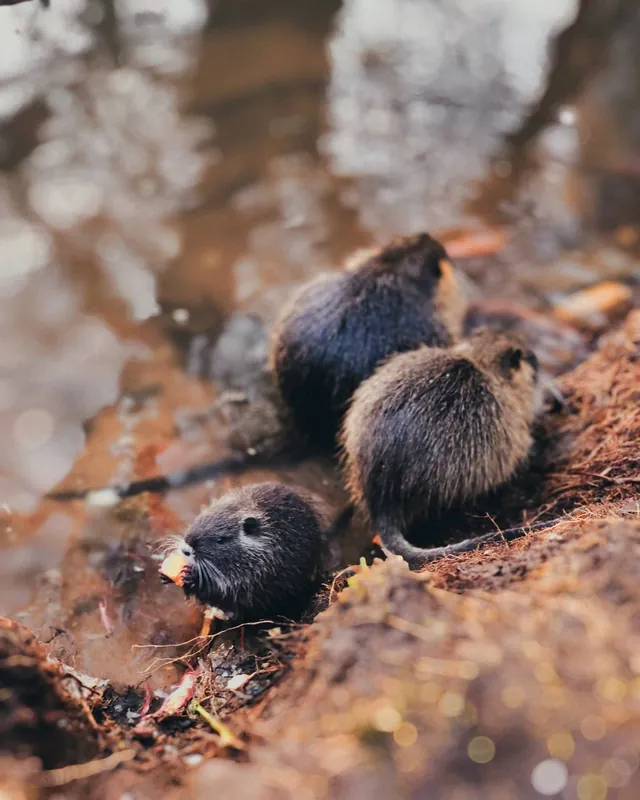
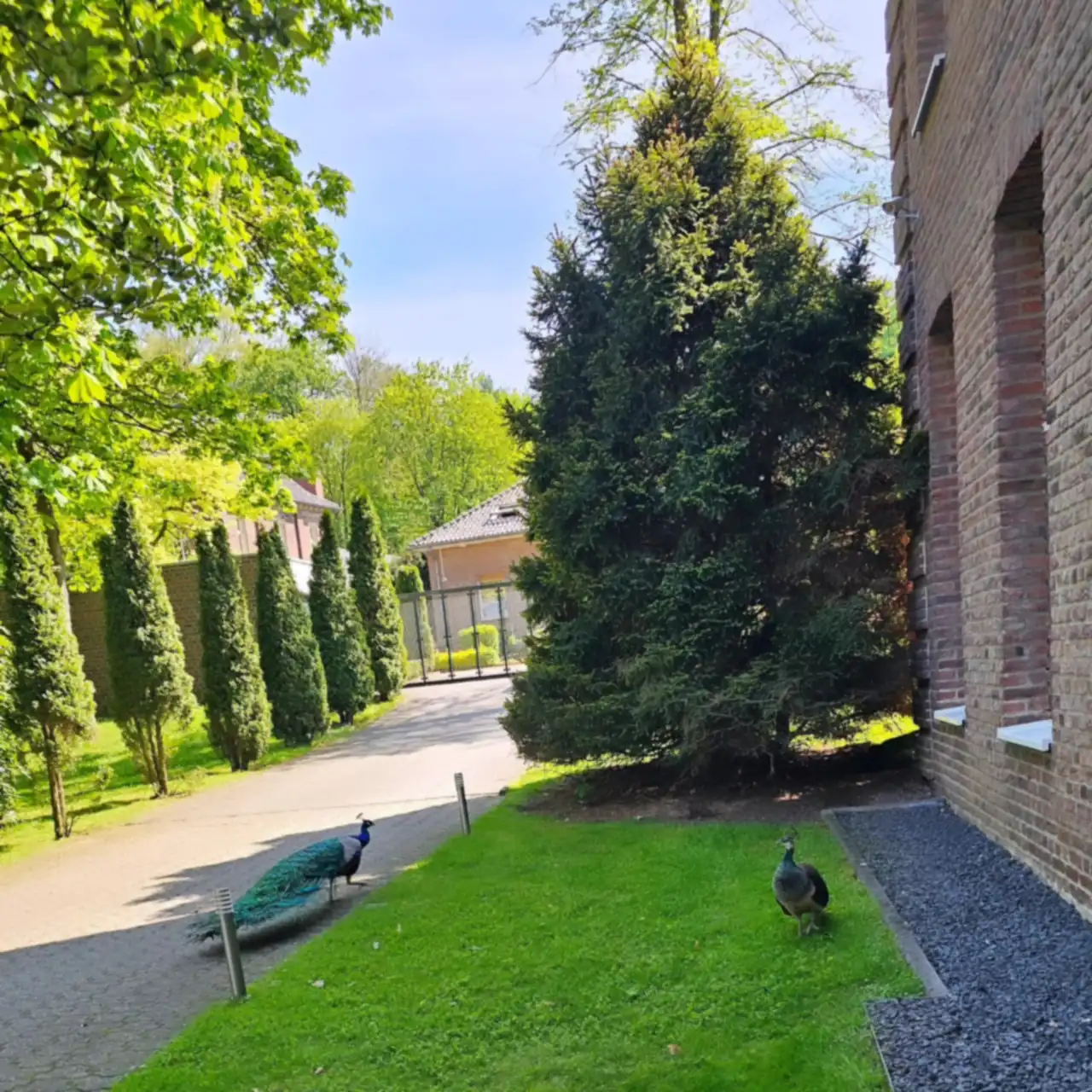
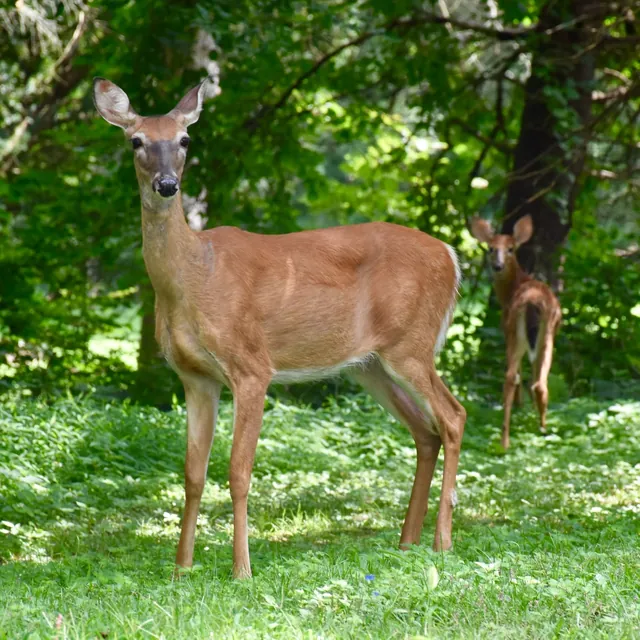
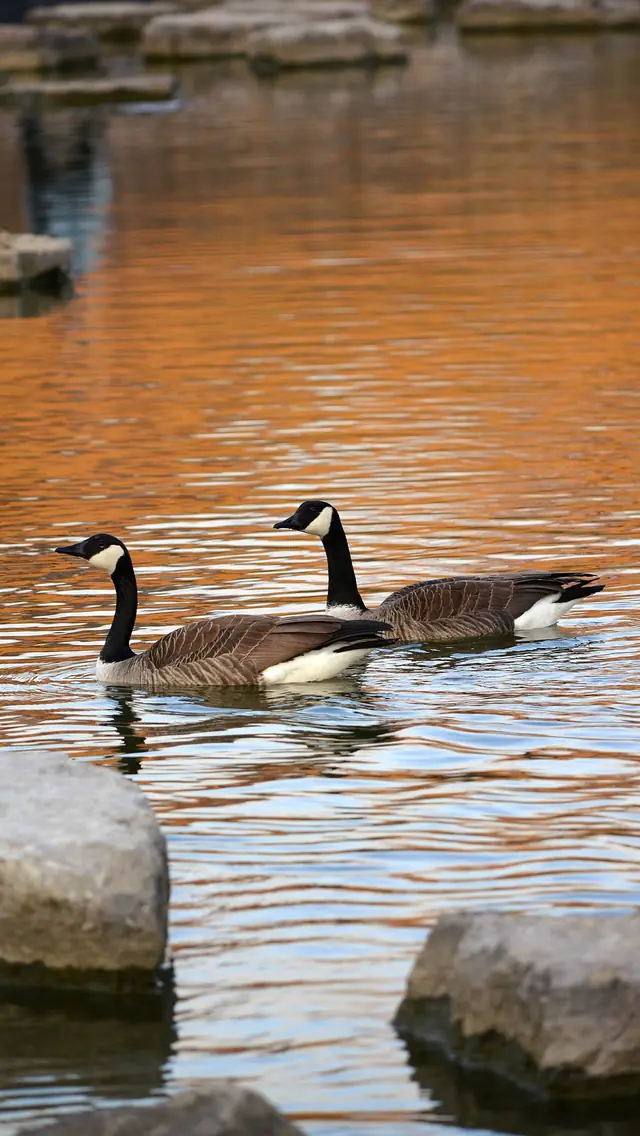
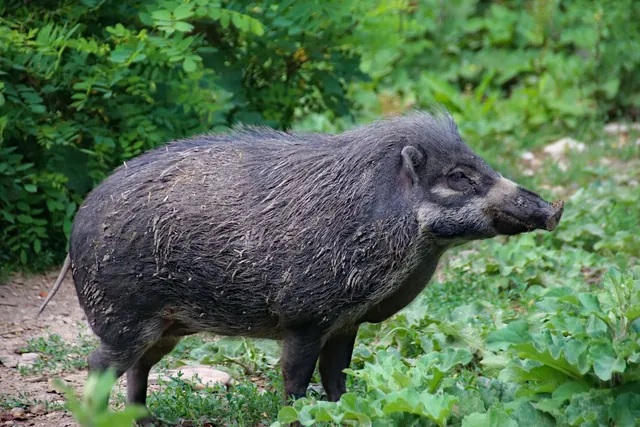
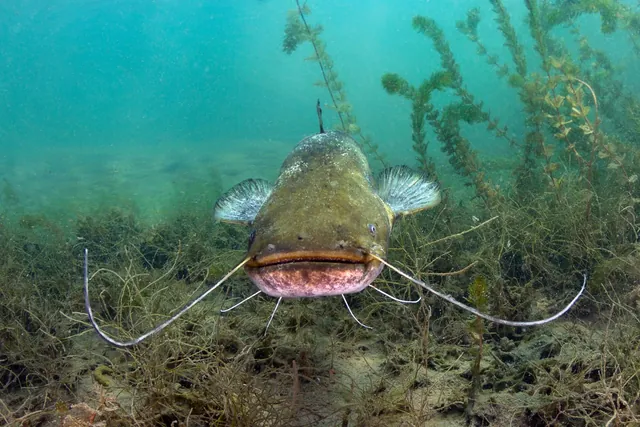
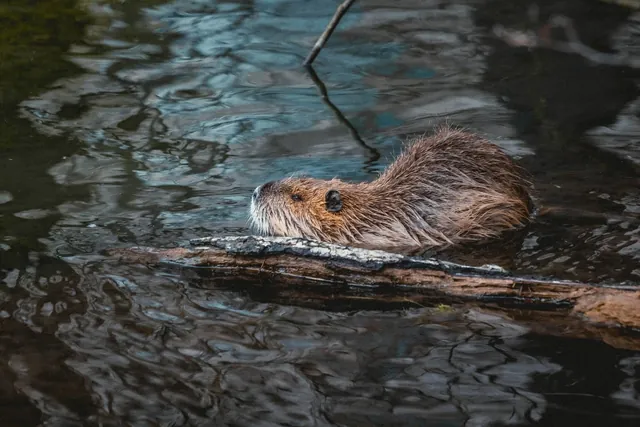
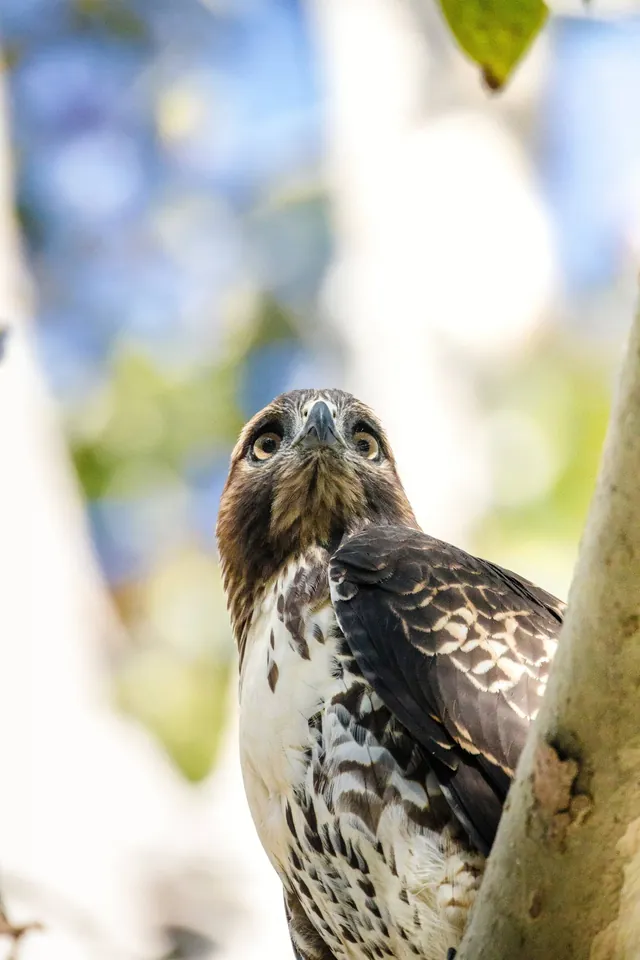
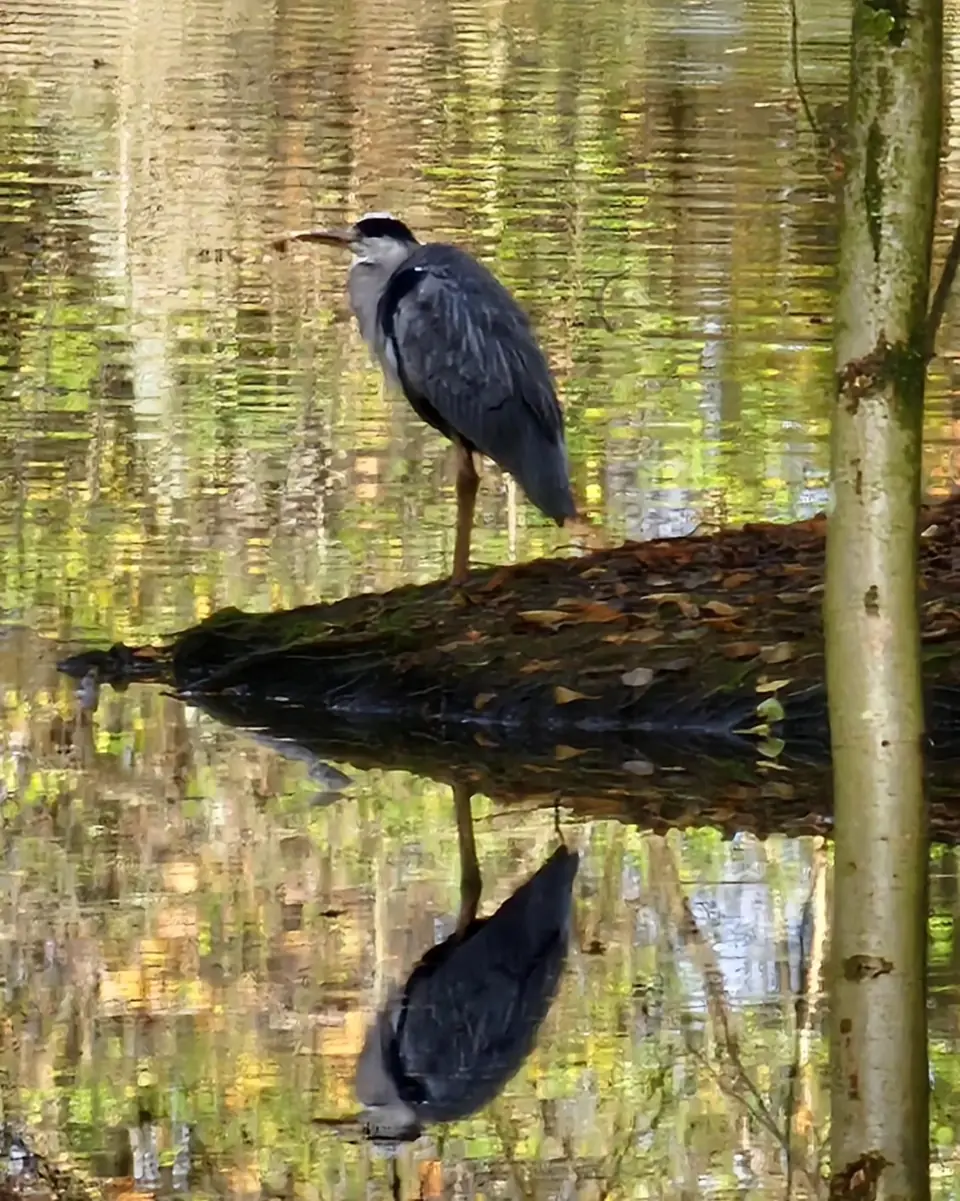
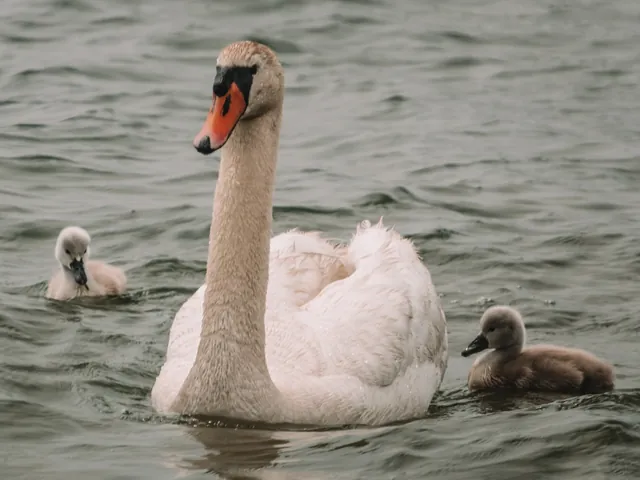
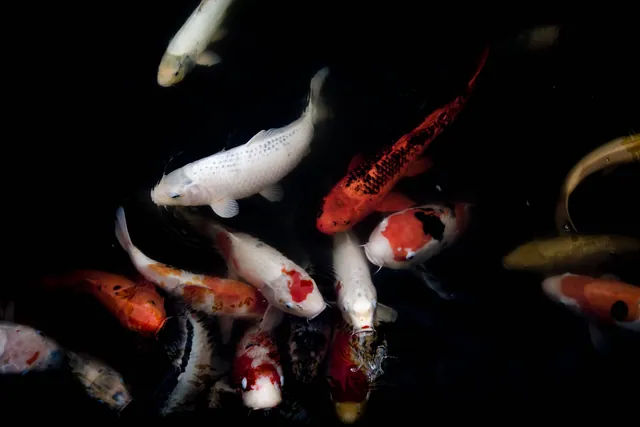
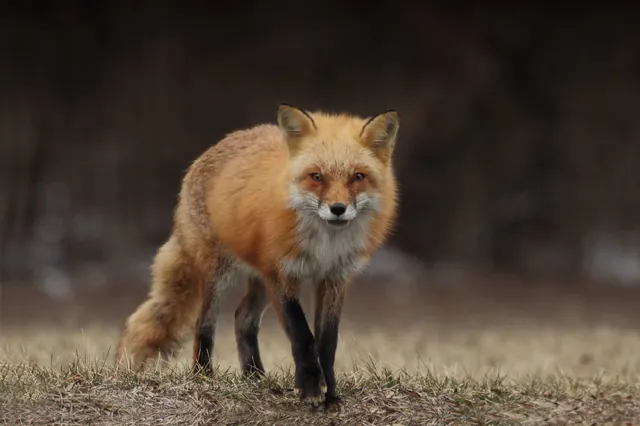
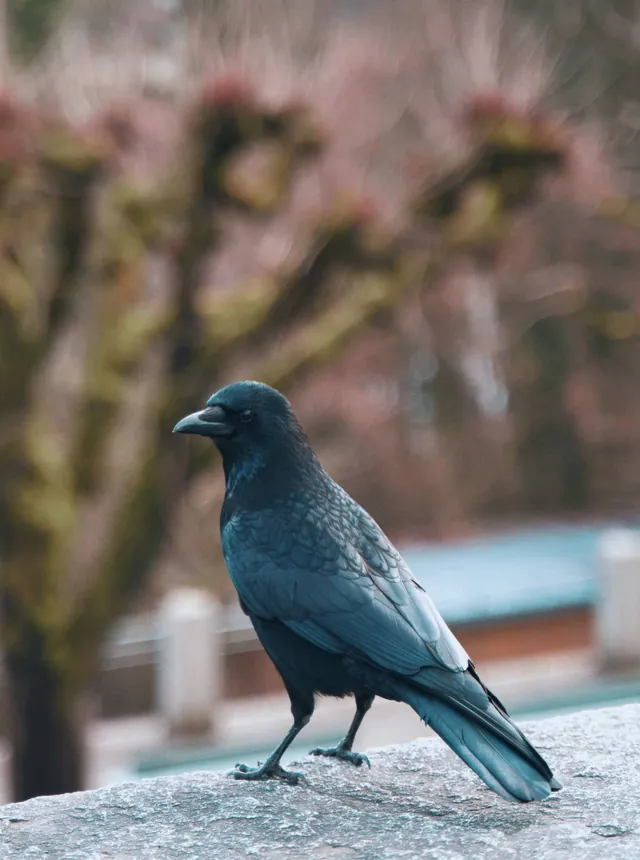
Some animal photographs from Unsplash.
Dilborn through the year
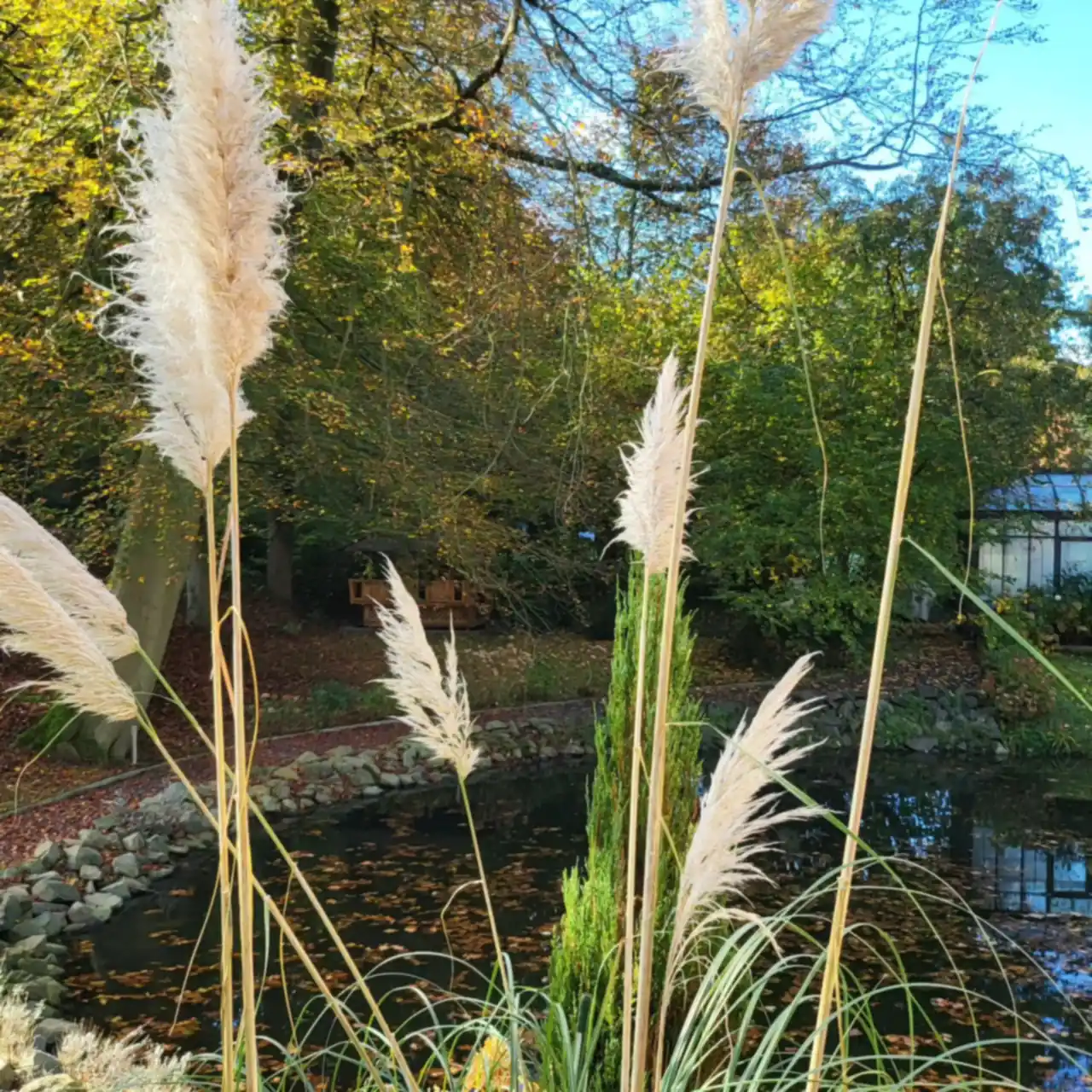
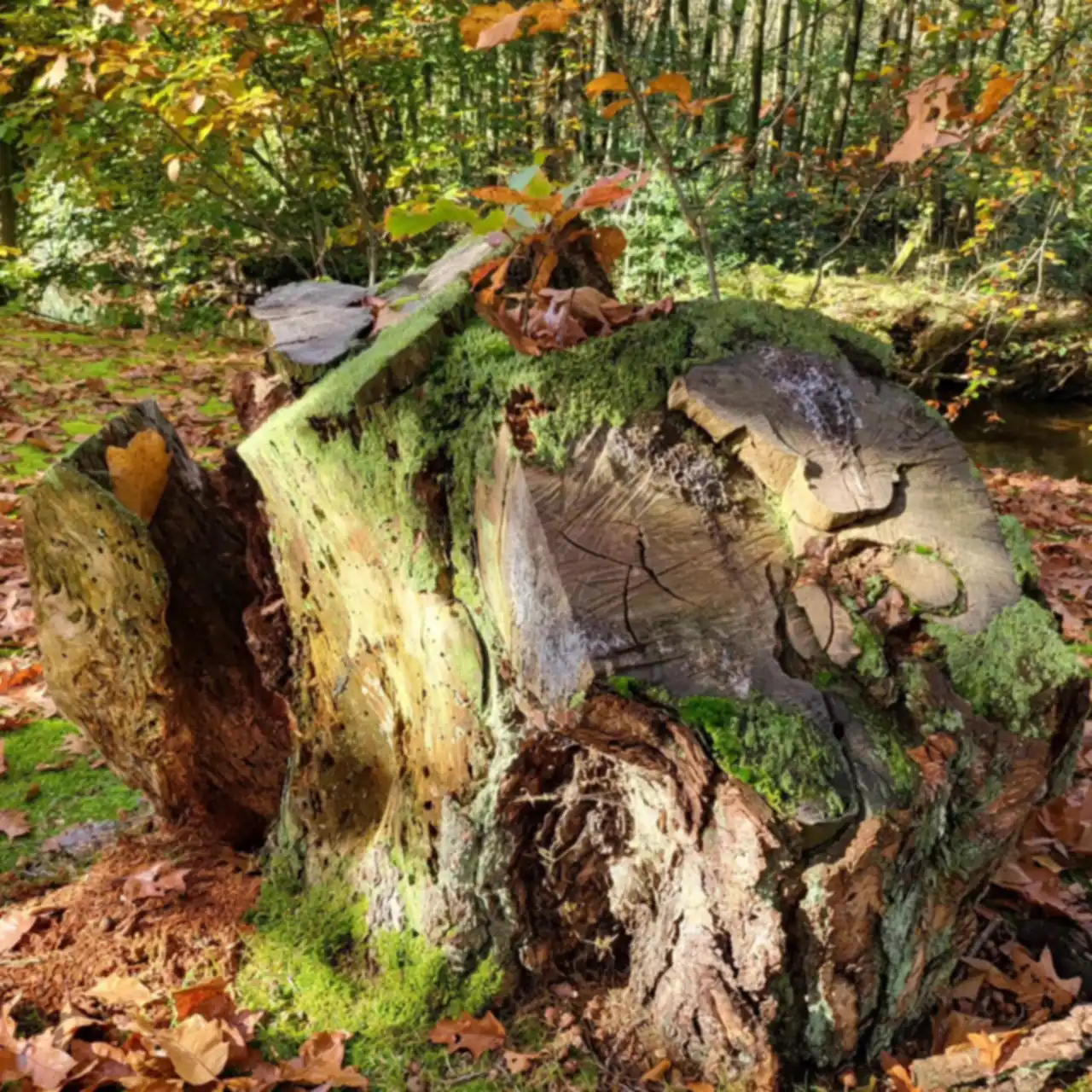
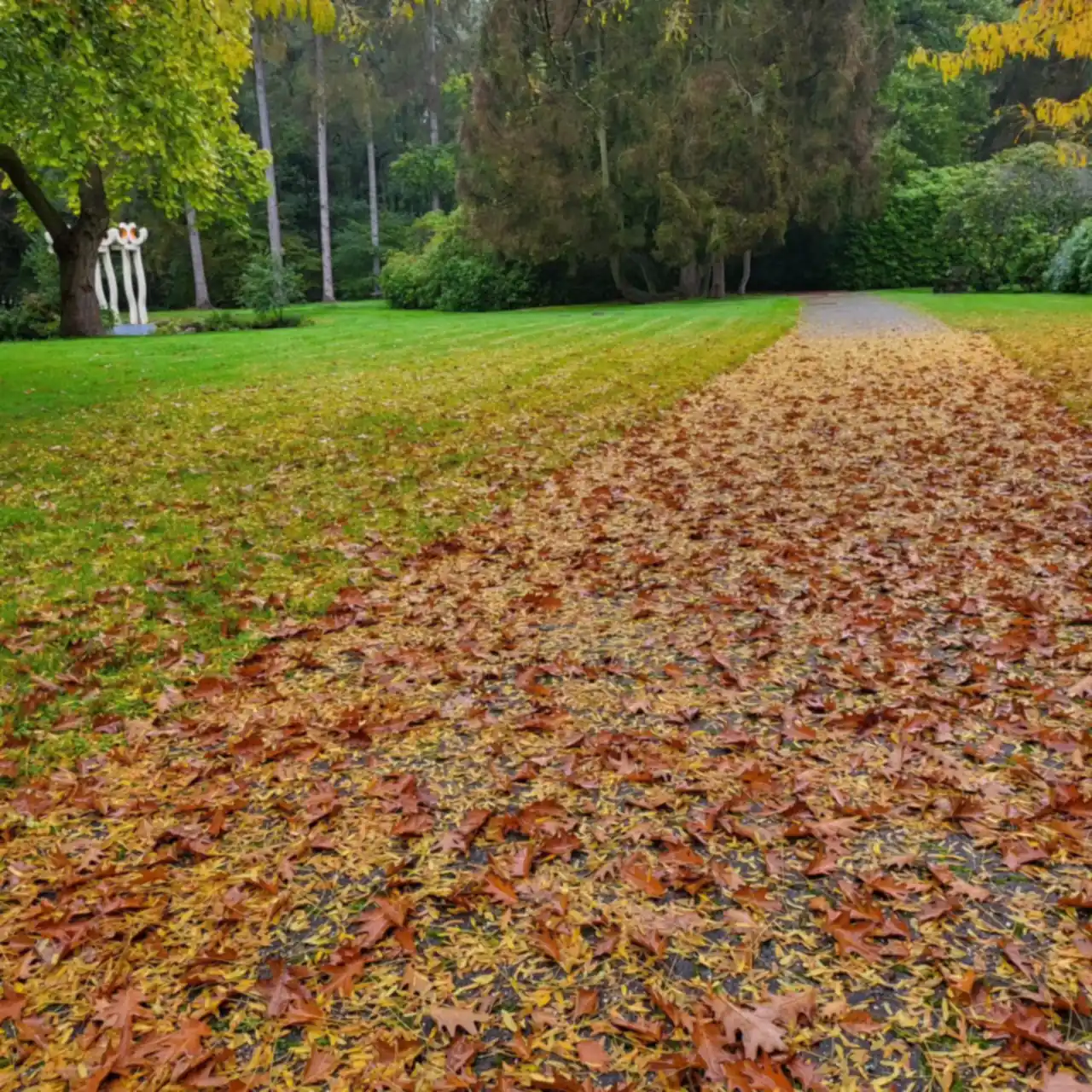
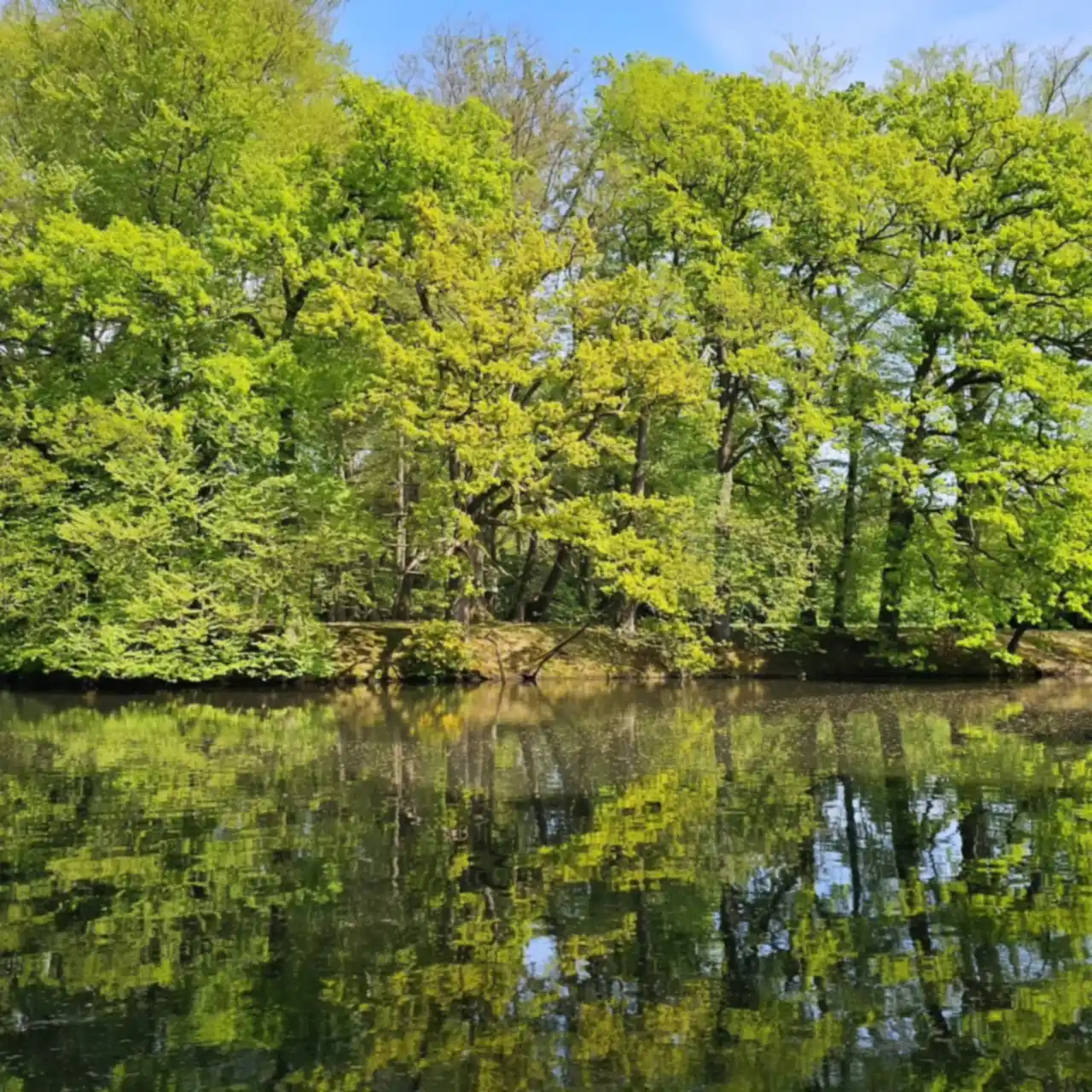
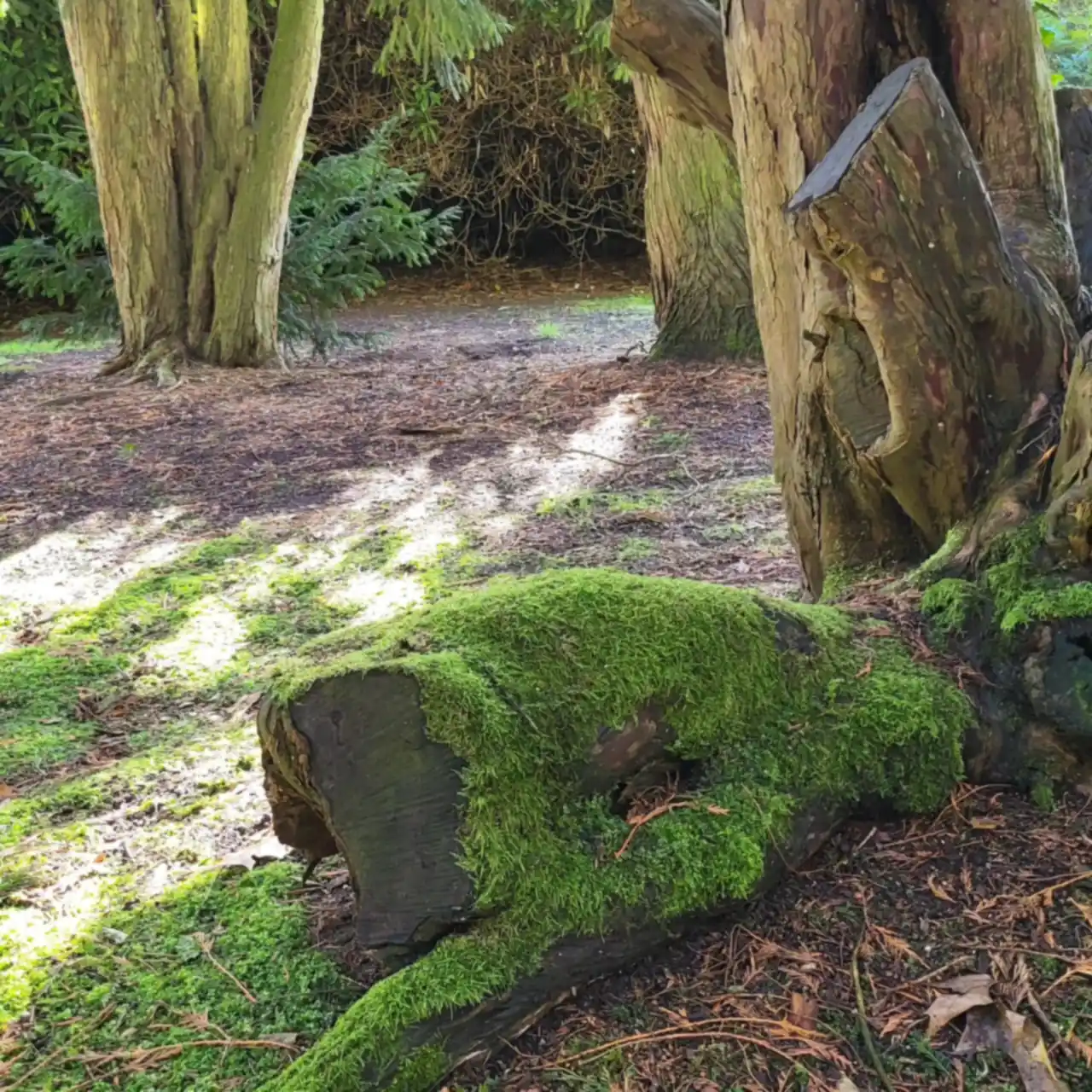
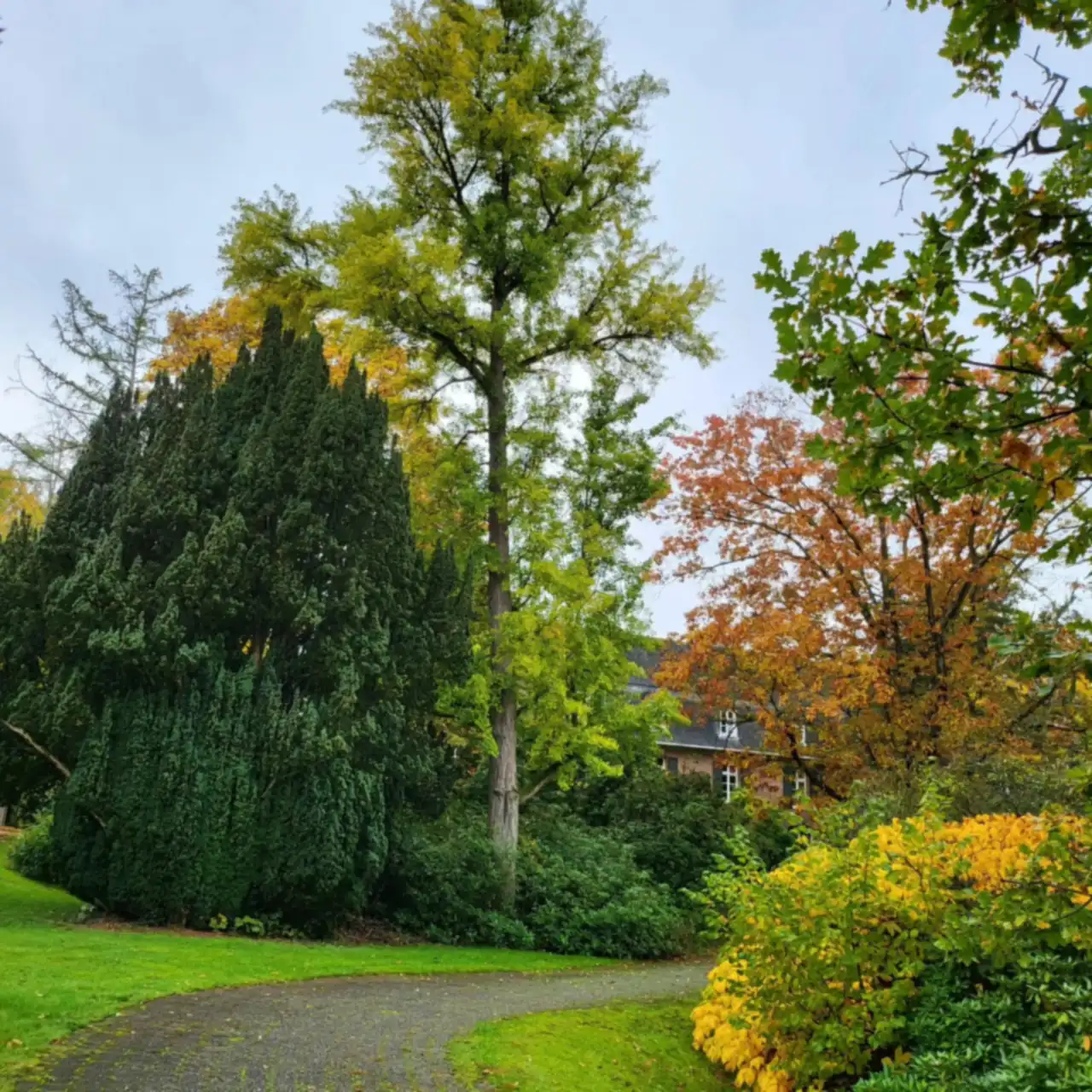
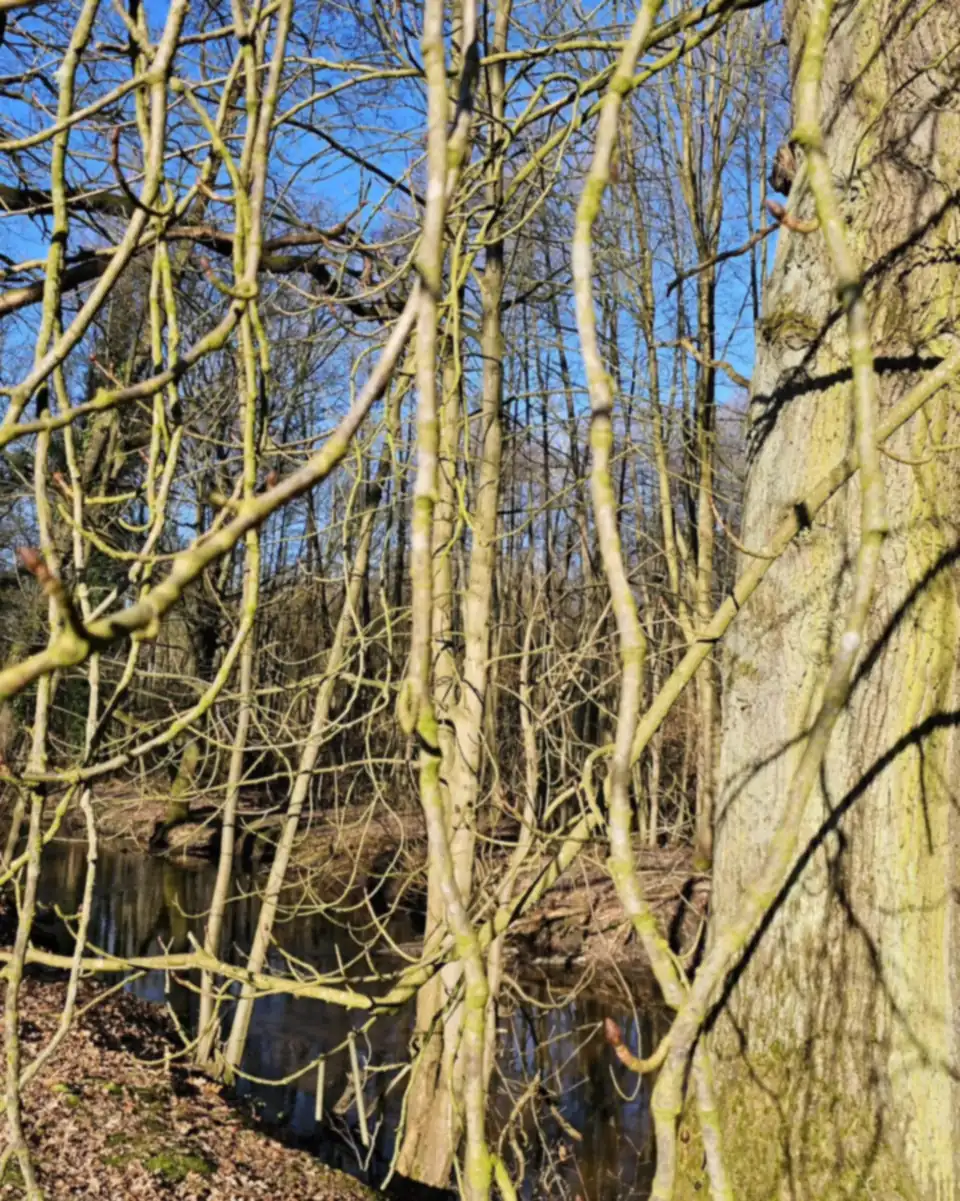
From the park, photographed on site
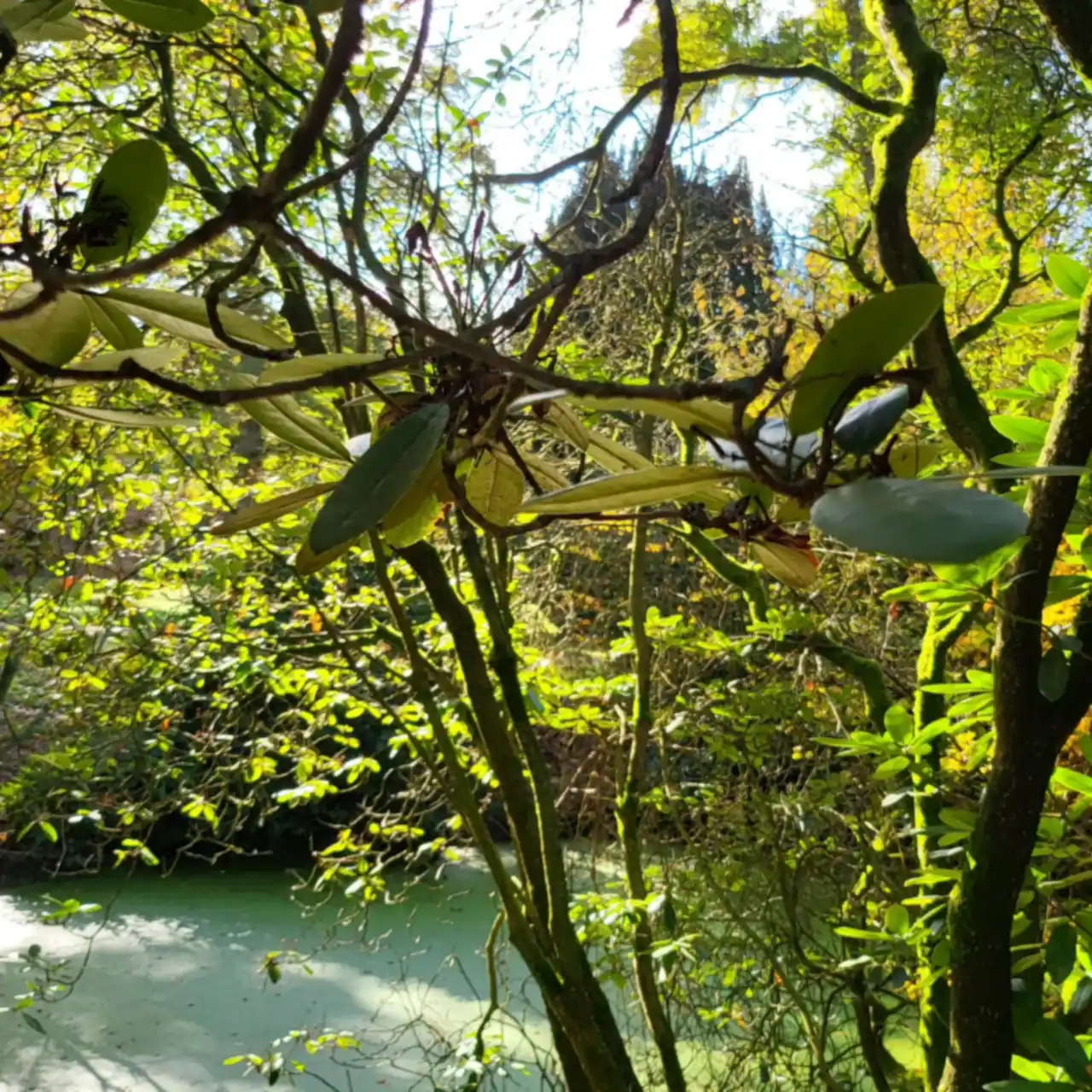
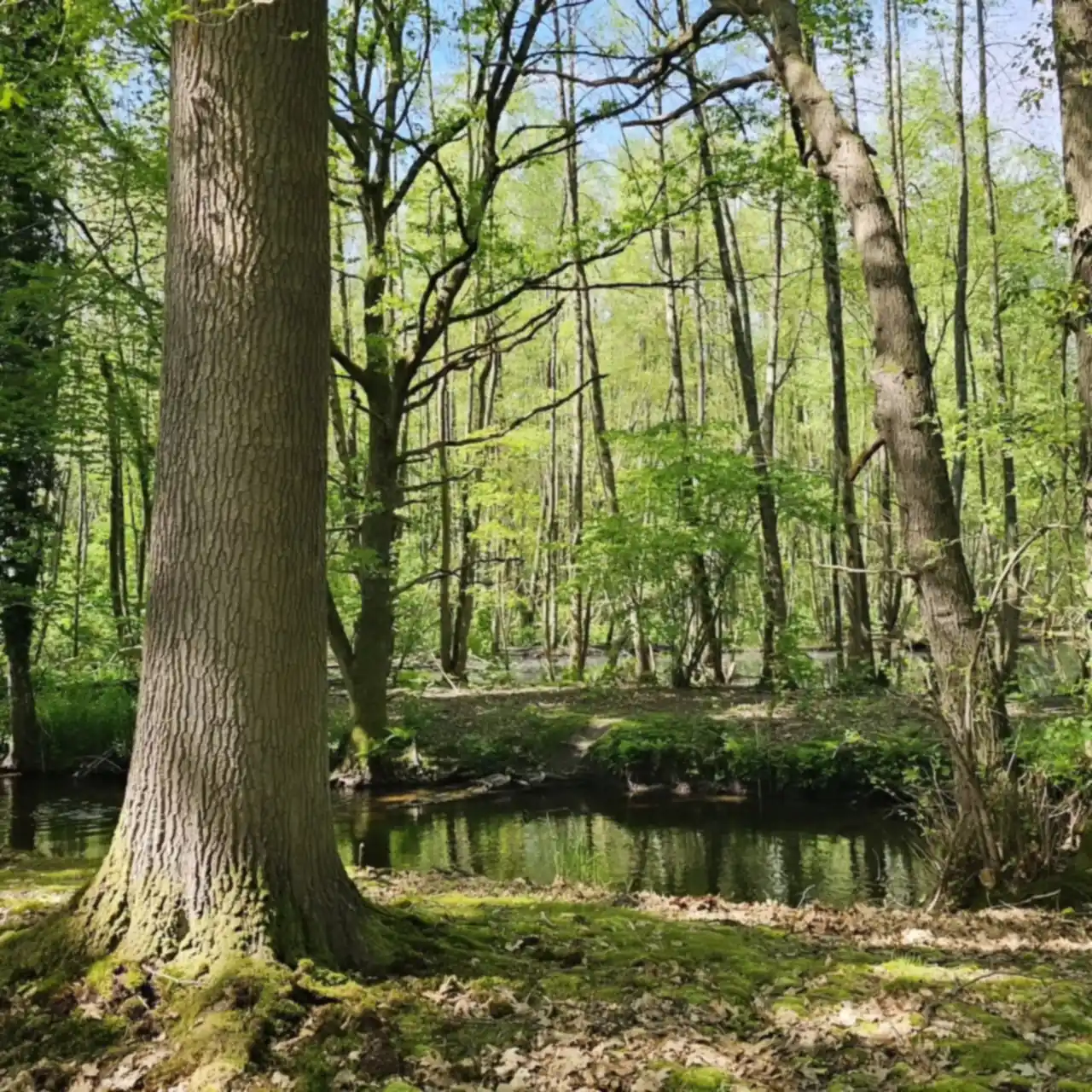
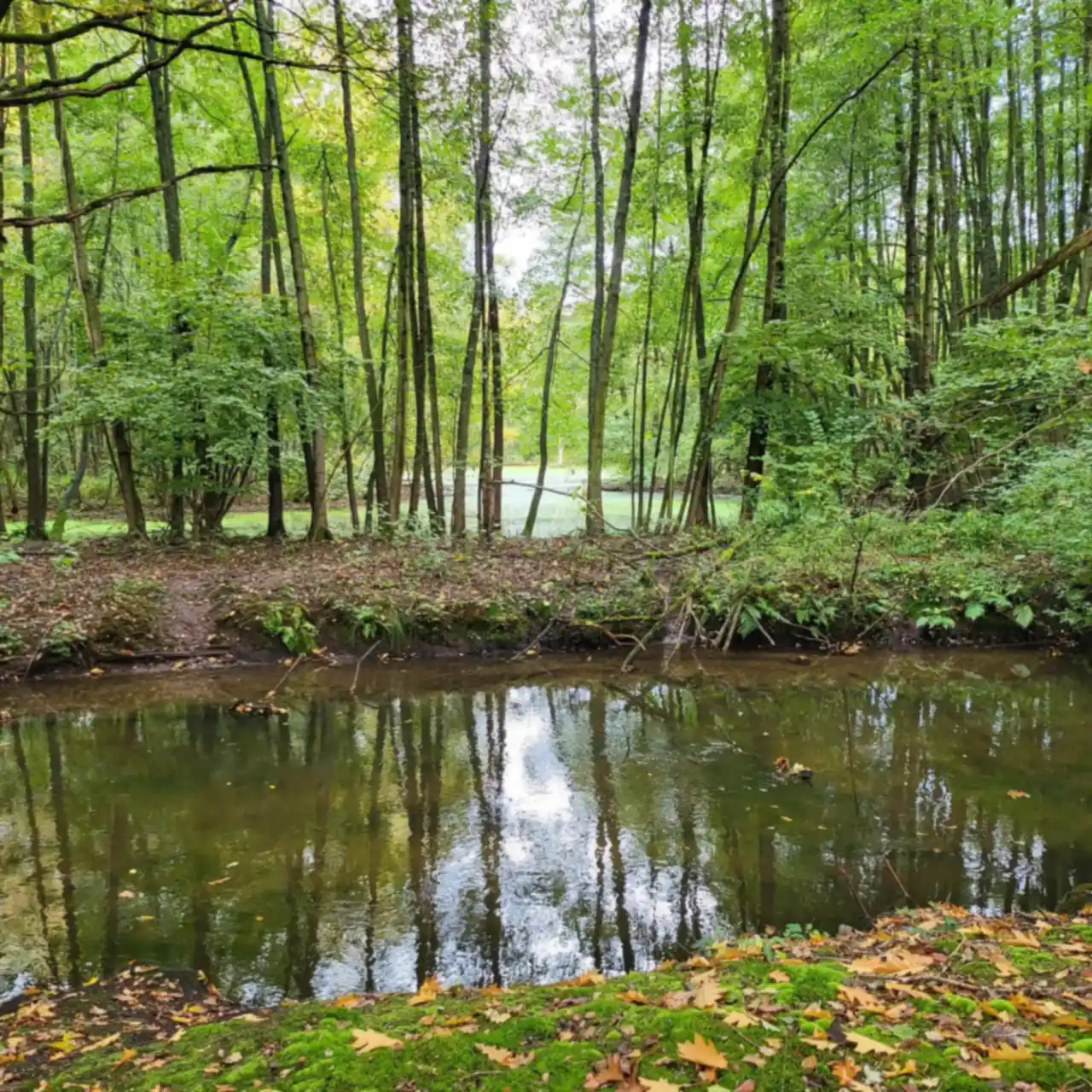
Snowdrops in February, rhododendrons in May, sunset over the moat: new pictures of the castle are posted on Instagram.
@schlossdilborn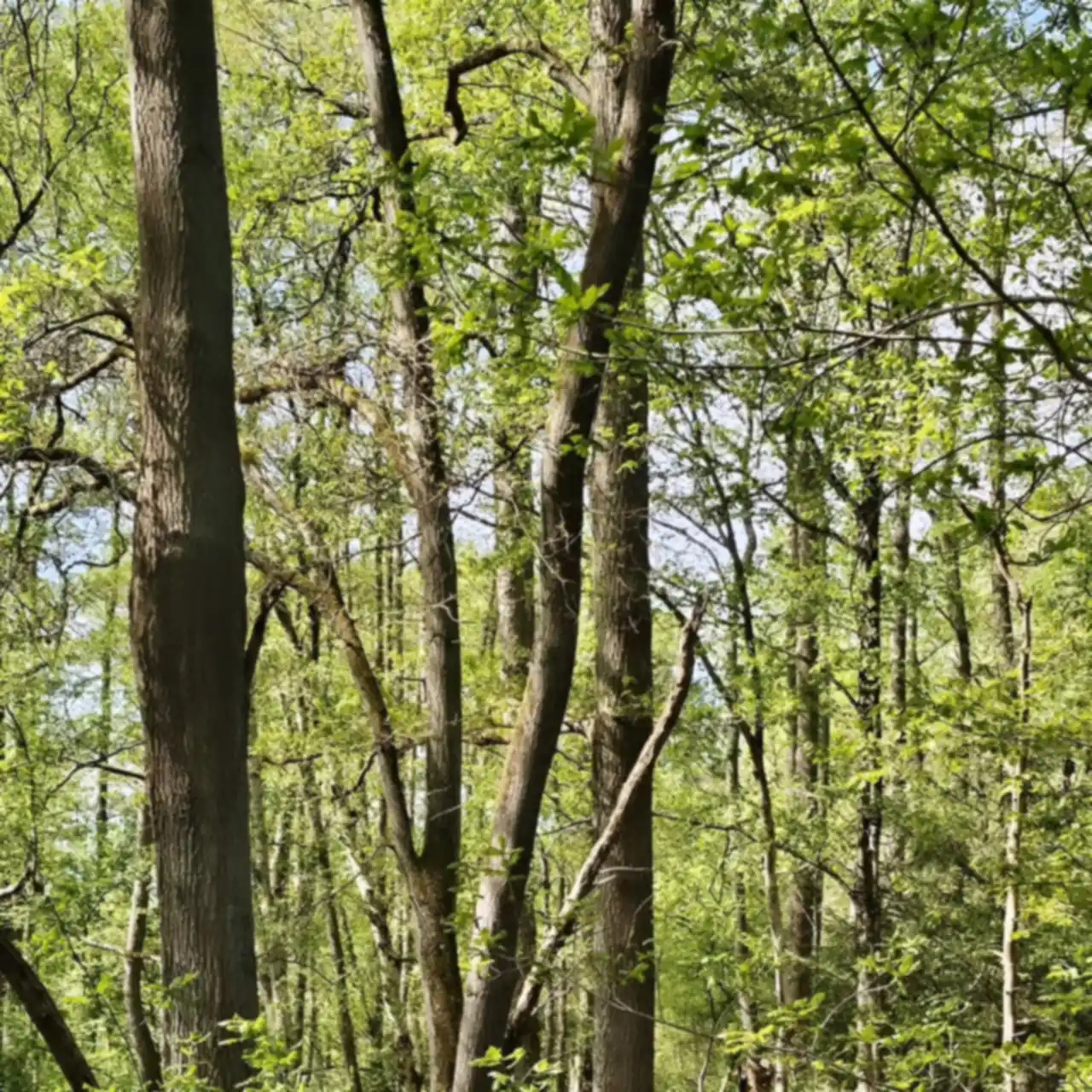
Nature and art, side by side
The park is home to sculptures by Wasa Marjanov, Kina Maua N’pango, Robert Hartmann, Ulrike Zilly and Christian Megert.
Art in the park